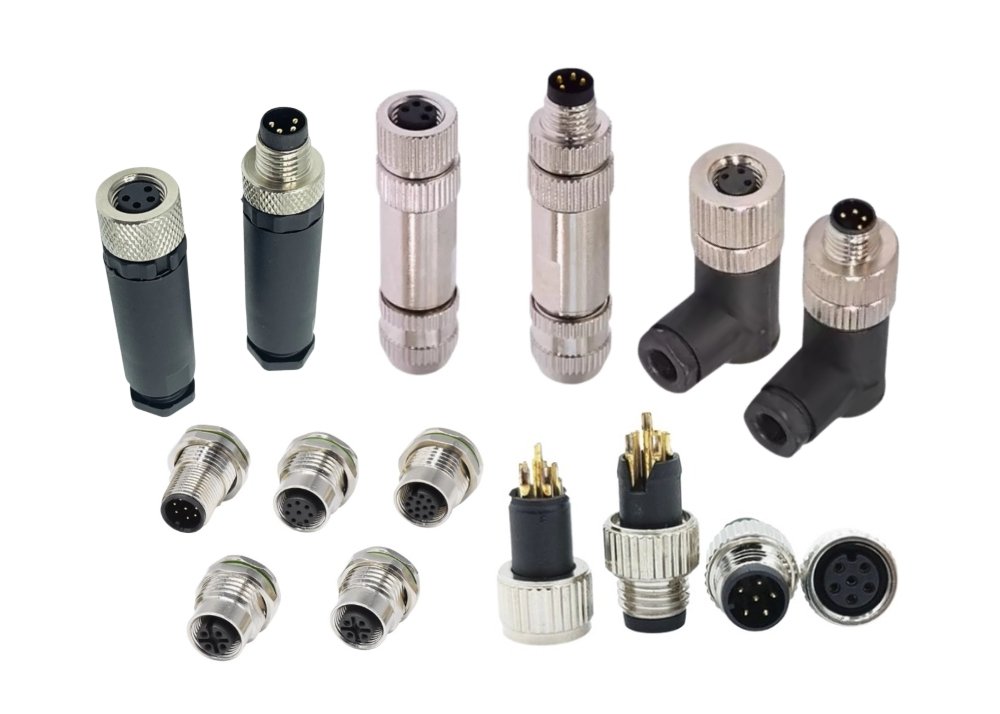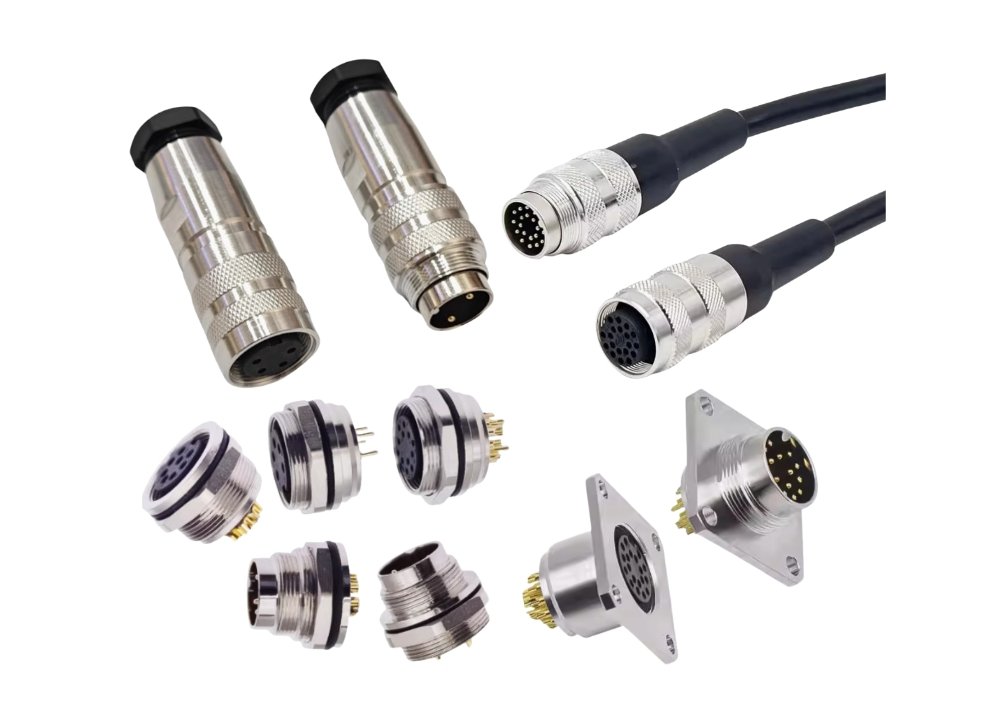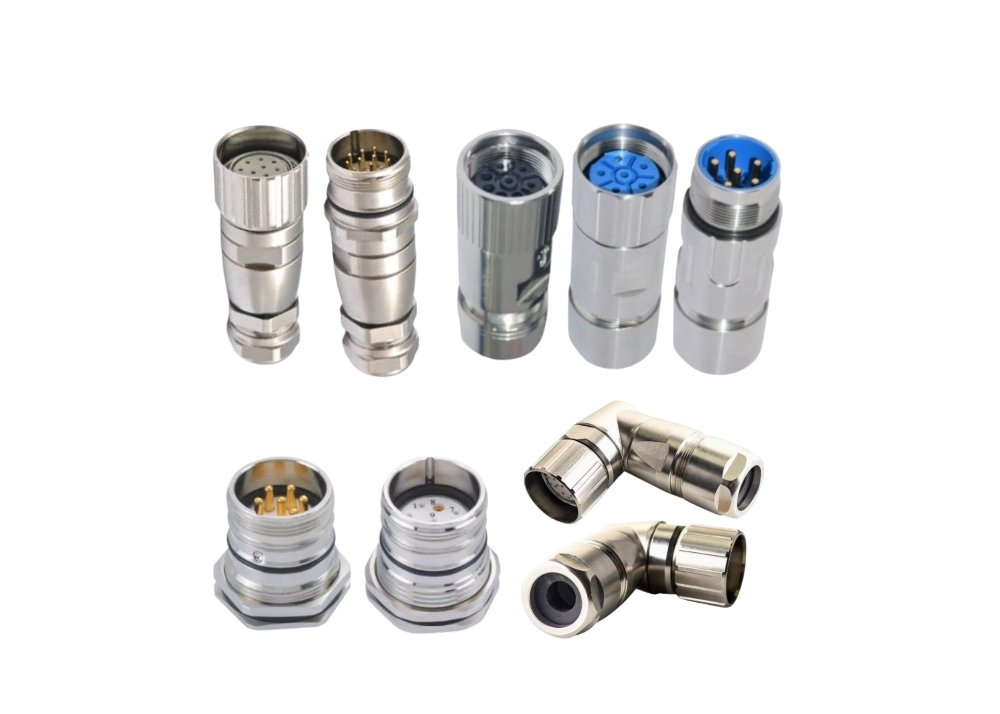
Engineers frequently encounter the challenge of choosing between IP67 vs IP65 connectors for demanding environments. Each IP rating defines the level of protection against dust and water, directly impacting the reliability of M8 connector and Type B connector options. Connector factory specialists recommend a careful assessment of application needs before selecting connectors. The ip standard plays a critical role in ensuring equipment longevity and safety, especially in settings where exposure to harsh elements occurs.
IP67 vs IP65 Quick Comparison Table

IP67 vs IP65 Protection Levels
Dust Resistance
Both IP67 and IP65 connectors deliver complete dust-tight protection. The first digit in the IP rating, which is ‘6’ for both, signifies that no dust can enter the enclosures. This level of protection ensures that sensitive electronic components remain safe from solid particles, making these connectors suitable for harsh industrial environments where dust exposure is common.
Water Resistance
The main distinction between IP67 and IP65 connectors lies in their water protection capabilities. IP65 connectors withstand low-pressure water jets from any direction. Testing involves a 0.25-inch nozzle spraying water for at least 15 minutes from a distance of 3 yards. This makes IP65 connectors ideal for enclosures exposed to rain or routine cleaning with water jets.
IP67 connectors, on the other hand, offer protection against temporary immersion in water. These connectors can be submerged in still water up to 1 meter deep for 30 minutes without harmful ingress. This level of waterproof protection makes IP67 connectors suitable for applications where enclosures may face accidental submersion or operate in environments with high moisture or flood risk.
Note: IP67 connectors do not guarantee protection against water jets or sprays, while IP65 connectors do not protect against immersion. Selecting the right waterproof enclosure ratings depends on the specific water exposure scenario.
| Protection Aspect | IP65 | IP67 |
|---|---|---|
| Dust Protection | Complete dust-tight protection | Complete dust-tight protection |
| Water Protection | Resistant to low-pressure water jets | Protected against temporary immersion in water (up to 1m) |
| Typical Use Cases | Outdoor enclosures, lighting, machinery | Marine, docks, industrial wash-down, flood-prone areas |
Key Differences at a Glance
Application Suitability
Engineers often choose IP65 connectors for enclosures that require protection from dust and water jets, such as streetlights, outdoor machinery, or control panels exposed to rain. These connectors perform well in environments where water sprays or cleaning processes occur but immersion is unlikely.
IP67 connectors serve best in applications where enclosures may experience temporary submersion. Examples include marine equipment, docks, or areas prone to flooding. These connectors provide a higher level of waterproof protection, ensuring reliable operation even after brief immersion.
Cost Implications
IP67 connectors typically cost more than IP65 connectors due to their enhanced waterproof features. The manufacturing process for IP67 enclosures involves stricter sealing requirements and more rigorous testing. While the initial investment may be higher, IP67 connectors can reduce maintenance and replacement costs in environments with frequent water exposure. Engineers must weigh the long-term value against upfront costs when selecting between IP67 vs IP65 connectors for their projects.
Understanding IP Ratings for Connectors
What Does IP Mean?
International Protection Marking
The term “IP” stands for International Protection or Ingress Protection. The International Electromechanical Commission (IEC) established this classification system to define how well electrical enclosures resist intrusion from solids and liquids. The IP rating system uses the prefix “IP” followed by two digits, sometimes with an optional letter. Each digit provides specific information about the level of protection. The first digit indicates the degree of protection against solid objects such as dust, fingers, or tools. The second digit shows the level of protection against liquids, including water, oils, and moisture. This system, detailed in IEC Publication 529, helps engineers and buyers compare the sealing effectiveness of enclosures. By using precise numbers, the IP rating system avoids vague terms like “waterproof” or “splash-proof,” which can lead to confusion or safety risks.
Decoding IP Rating Numbers
First Digit: Solid Particle Protection
The first digit in an IP rating describes the enclosure’s ability to prevent solid objects from entering. This digit ranges from 0 to 6, with higher numbers indicating better protection. For example, a rating of 6 means the enclosure is completely dust-tight, offering full protection against dust and debris. This level is essential for connectors used in dusty industrial environments, where even small particles can damage sensitive electronics.
Second Digit: Liquid Ingress Protection
The second digit in the IP code represents the level of protection against liquid ingress. This digit ranges from 0 to 9k. A higher number means greater resistance to water and other liquids. For instance, a rating of 5 means the enclosure can withstand low-pressure water jets, while a rating of 7 means it can handle temporary immersion in water up to 1 meter deep for 30 minutes. The table below summarizes the meaning of each digit for connectors:
| IP Rating Digit | Meaning for Connectors |
|---|---|
| First Digit (0-6) | 0: No protection 1: Objects > 50 mm 2: Objects > 12 mm 3: Objects > 2.5 mm 4: Objects > 1 mm 5: Partial dust protection 6: Dust-tight, full protection |
| Second Digit (0-9k) | 0: No protection 1: Vertically dripping water 2: Dripping water at 15° 3: Water spray up to 60° 4: Splashing water 5: Low-pressure water jets 6: Powerful water jets 7: Immersion up to 1m 8: Continuous immersion 9k: High-pressure, high-temperature jets |
This classification, based on IEC 60529, ensures that engineers select connectors with the right sealing for their application.
Importance of IP Ratings in Engineering
Reliability in Harsh Environments
IP ratings play a critical role in ensuring connector reliability, especially in harsh environments. Industrial settings often expose connectors to dust, moisture, vibration, and temperature extremes. Connectors with appropriate IP ratings prevent ingress of contaminants, protecting internal components and maintaining uninterrupted signal and power transmission. This protection supports long-term reliability and reduces the risk of equipment failure.
Compliance and Safety
Engineers rely on IP ratings to meet industry standards and regulatory requirements. The ratings provide a standardized way to describe and test the protection level of enclosures. By selecting the correct IP rated enclosures, engineers ensure compliance with safety guidelines and avoid costly downtime. While IP ratings focus on dust and liquid ingress, engineers should also consider other factors such as mechanical shock and corrosion resistance for complete protection.
Tip: Always verify the IP rating of connectors before installation to ensure they match the environmental demands of the application.
IP65 Rating Explained
IP65 Protection Level
Dust Tightness
The IP65 rating guarantees complete dust-tight protection for connectors. The first digit, “6,” in this rating confirms that the enclosure is fully sealed against dust ingress. No dust particles can enter, even in environments with high concentrations of airborne solids. This level of sealing ensures that sensitive electronic components remain safe from contamination, which is critical in industrial settings where dust can cause malfunctions or reduce equipment lifespan.
Water Jet Resistance
The second digit, “5,” in the IP65 rating indicates resistance to low-pressure water jets from any direction. Connectors with this rating can withstand water sprayed by a nozzle, preventing water from entering the enclosure under these conditions. However, the design allows for limited water ingress, so the connector is not intended for immersion. This protection level makes IP65 connectors suitable for areas where equipment may face rain, splashes, or routine cleaning with water jets, but not for underwater use.
Note: The IP65 rating ensures reliable protection against both dust and water jets, but it does not cover scenarios involving submersion.
Typical Use Cases for IP65 Connectors
Indoor Industrial Applications
Engineers often select IP65 connectors for use in indoor industrial environments where dust and occasional water exposure are concerns. These connectors appear in factory automation, sensor and actuator connections, and industrial networking systems such as PROFINET and CAN bus. The robust sealing and dust-tight protection help maintain signal integrity and equipment reliability.
Outdoor Installations with Limited Water Exposure
IP65 connectors also serve well in outdoor installations that experience rain or water splashes but do not require submersion protection. Common applications include street lighting, control panels, and photovoltaic systems. The following table highlights typical connector types and their industrial uses:
| Connector Type | Common Applications | Key Features |
|---|---|---|
| M-series (M8, M12) | Industrial networking, sensors, actuators | Threaded sleeve, IP65 protection |
| Molex Brad push-to-lock | Industrial Ethernet, power applications | Push-to-lock, supports PoE, IP65 protection |
| Han-series heavy-duty | Power, instrumentation, machinery | Locking levers, robust, IP65 protection |
| Photovoltaic connectors | Solar panels, micro inverters | High current/voltage, IP65 to IP68 protection |
| Valve connectors | Industrial valves, harsh conditions | Rugged, LED error detection, IP65 protection |
| Agricultural machinery connectors | Sensors, actuators on vehicles | Robust, withstands extreme environments |
Limitations of IP65 Rating
Not Suitable for Submersion
IP65 connectors resist low-pressure water jets but are not designed for submersion. They can handle splashes and humidity, but immersion in water can lead to ingress and potential failure. For applications involving temporary or continuous immersion, higher IP ratings such as IP67 or IP68 are recommended.
Potential Risks in Wet Environments
Several risks arise when using IP65 connectors in environments with frequent or prolonged water exposure:
- Water resistance depends on proper sealing at all connection points.
- Improper installation or damage to seals can compromise protection.
- IP65 connectors may not withstand environments with high moisture or standing water.
- Engineers should consider higher-rated connectors for areas with persistent wet conditions.
Tip: Always verify installation quality and environmental suitability when specifying IP65 connectors for demanding applications.
IP67 Rating Explained
IP67 Protection Level
Complete Dust Protection
The ip67 rating provides the highest level of dust protection available for connectors. According to IEC standards, connectors with this rating are completely dust tight. No dust can enter the enclosure, and users receive full protection against contact with hazardous parts. This level of sealing ensures that sensitive electronics remain safe in environments with airborne particles or fine dust.
| Protection Aspect | Level | Description |
|---|---|---|
| Dust Protection | 6 | Completely dust tight; no ingress of dust and full protection against contact with hazardous parts. |
| Water Protection | 7 | Protected against harmful ingress of water when immersed in water up to 1 meter depth under specified conditions of pressure and time. |
Temporary Water Submersion Resistance
The ip67 rating also guarantees resistance to temporary submersion. Connectors can withstand immersion in water up to 1 meter deep for 30 minutes. This feature makes them suitable for applications where accidental or brief submersion may occur. The protection remains effective only when connectors are fully mated and sealed. If left open or disconnected, the sealing is compromised, and water ingress may occur.
Typical Use Cases for IP67 Connectors
Outdoor and Marine Applications
Engineers often select IP67 connectors for outdoor and marine environments. These connectors resist dust, dirt, and moisture, ensuring reliable operation in harsh conditions. Common applications include:
- Marine electronics and boats
- Outdoor telecommunications equipment
- Recreational vehicles and automotive manufacturing
- Agricultural machinery such as tractors and irrigation systems
- Outdoor lighting and mining equipment
Marine systems benefit from the ip67 rating because connectors withstand both dust and temporary submersion. Stainless steel versions offer additional durability and resistance to corrosion from seawater.
Environments with High Moisture or Flood Risk
IP67 connectors serve well in locations with frequent rain, high humidity, or flood risk. Field-deployable systems, military communication equipment, and temporary outdoor installations often rely on this level of protection. The robust sealing ensures operational reliability after exposure to rain, brief submersion, or dusty conditions.
Note: IP67 connectors are the baseline for harsh-environment systems that require full dust protection and limited submersion capability.
Limitations of IP67 Rating
Not Intended for Prolonged Submersion
While the ip67 rating allows for temporary submersion, it does not cover prolonged or deeper immersion. For applications that demand longer or deeper submersion, higher ratings such as IP68 are necessary. The waterproof protection is only guaranteed when connectors are fully engaged. If left open, the risk of water ingress increases, which can affect reliability in persistent wet environments.
Cost and Availability Considerations
IP67 connectors typically cost more than lower-rated options due to their enhanced sealing and testing requirements. The table below compares IP67 with higher IP ratings:
| Feature/Aspect | IP67 Base Model | Higher IP Ratings (IP68, IP69K) |
|---|---|---|
| Waterproof Rating | Immersion up to 1 meter for 30 minutes | Deeper and longer immersion, resistance to high-pressure jets |
| Application | Standard outdoor use | Industrial, marine, and automotive requiring extreme protection |
| Advantages | Affordable, suitable for wet/dusty conditions | Enhanced durability and protection |
| Disadvantages | Limited submersion duration and depth | Bulkier design, higher cost |
Engineers must balance the need for protection with budget and availability. For most outdoor and marine uses, the ip67 rating offers a practical solution, but applications with extreme or prolonged submersion require higher-rated connectors.
IP67 vs IP65 Head-to-Head Comparison
Durability and Longevity
Material Quality
Engineers often evaluate the material quality of connectors before selecting them for industrial applications. IP67 connectors typically feature more robust sealing materials and construction compared to IP65 connectors. Manufacturers design IP67 enclosures to withstand harsh environments, using high-grade plastics, corrosion-resistant metals, and advanced sealing compounds. These materials help prevent cracks and maintain the integrity of the enclosure over time. In contrast, IP65 connectors use standard sealing and materials that perform well in less demanding environments but may degrade faster under continuous stress.
| Feature | IP65 Connectors | IP67 Connectors |
|---|---|---|
| Dust Protection | Completely dust-tight (level 6) | Completely dust-tight (level 6) |
| Water Protection | Resistant to low-pressure water jets | Resistant to temporary immersion (up to 1m for 30 min) |
| Suitable Water Exposure | Rain, splashes, humidity | Accidental submersion and heavy rain |
| Durability Testing | Standard sealing, less rigorous | Over 10,000 insertion/extraction cycles; some up to 200,000 cycles; temperature cycling (-40℃ to +85℃); salt spray corrosion resistance |
| Electrical Performance | Higher risk of failure in heavy rain or submersion | Maintains stable electrical performance after submersion; minimal increase in contact resistance after thousands of cycles |
| Cost & Construction | Less expensive, standard sealing | More robust sealing, higher cost |
| Expected Lifespan | Suitable for less demanding environments | Longer lifespan due to enhanced sealing and material quality |
| Practical Use | Outdoor devices needing weatherproofing | Devices requiring swim-proof or submersion protection |
Environmental Stress Resistance
IP67 connectors excel in environments with extreme temperature changes, vibration, and exposure to corrosive substances. Manufacturers test these connectors for durability through repeated insertion and extraction cycles, temperature cycling from -40℃ to +85℃, and salt spray exposure. These rigorous tests ensure that IP67 enclosures maintain their ratings and performance even after years of use. Field data shows that high-quality IP67 connectors reduce equipment failure rates and maintenance needs by providing superior protection against dust and water ingress. On-site failure rates for these connectors remain below 0.01%, which demonstrates their reliability in industrial settings. In comparison, IP65 connectors offer reliable performance in moderate conditions but may experience higher failure risks under heavy rain or accidental submersion.
Water and Dust Resistance Performance
Performance in Wet Conditions
The main difference between IP67 and IP65 connectors lies in their water resistance. IP65 connectors protect enclosures from multi-directional, low-pressure water jets. Laboratory testing involves spraying water from a 0.25-inch nozzle at 30 kPa pressure for 15 minutes from a distance of 3 yards. This test ensures that no water ingress occurs under these conditions. IP67 connectors, however, undergo immersion testing. They must prevent water ingress when submerged between 5.9 inches and 39.37 inches deep for up to 30 minutes. This level of waterproof protection makes IP67 connectors suitable for applications where accidental submersion or heavy rain may occur. Devices that require swim-proof or submersion protection benefit from the enhanced sealing of IP67 enclosures.
| Feature | IP65 | IP67 |
|---|---|---|
| Dust Protection | Complete dust tightness (rating 6) | Complete dust tightness (rating 6) |
| Water Resistance Type | Multi-directional, low-pressure water jets | Temporary immersion up to 1 meter for 30 mins |
| Water Test Conditions | 0.25-inch nozzle, 30 kPa pressure, 3.3 GPM, 15 minutes, 3 yards distance | Submersion in water between 5.9 inches and 39.37 inches depth, no harmful ingress |
| Suitable Environment | Protection against water spray and low-pressure jets | Protection against harsher conditions involving temporary water submersion |
| Laboratory Testing Standard | Water jet test to ensure no ingress under specified jet conditions | Immersion test to ensure no ingress during temporary submersion |
Note: IP67 connectors do not guarantee protection against high-pressure water jets, while IP65 connectors do not protect against submersion.
Performance in Dusty Environments
Both IP67 and IP65 connectors provide complete dust-tight protection, as indicated by the first digit “6” in their ratings. This level of sealing ensures that no dust or solid particles can enter the enclosures, even in environments with high concentrations of airborne contaminants. Engineers can rely on both ratings to maintain the integrity of sensitive electronics in dusty industrial settings.
Cost Analysis of IP67 vs IP65
Price Differences
IP67 connectors generally cost more than IP65 connectors. The higher price results from enhanced sealing, more rigorous testing, and the use of premium materials. Manufacturers invest in advanced production processes to ensure that IP67 enclosures meet strict waterproof and dustproof standards. For projects with limited budgets, IP65 connectors offer a cost-effective solution for environments where only water jets and dust are concerns. However, the initial investment in IP67 connectors can pay off in applications that demand higher protection and reliability.
Maintenance and Replacement Costs
The most common reasons for replacing connectors in both IP67 and IP65 environments include:
- Damage to connector housings such as cracks
- Water ingress caused by standing water or debris at connector interfaces
- Contamination leading to poor electrical contact
Regular inspection and maintenance help detect faults early and prevent costly downtime. IP67 connectors reduce maintenance frequency and extend replacement intervals due to their superior sealing and resistance to ingress. Field data shows about a 20% improvement in equipment stability and longer maintenance intervals when using IP67 connectors. In contrast, IP65 connectors may require more frequent replacement in environments with persistent moisture or risk of submersion. Proper installation and cleaning of contact points remain essential for both types to maintain reliable electrical connections.
Tip: Prevent water accumulation at connector interfaces and schedule regular inspections to maximize the lifespan of both IP65 and IP67 connectors.
Suitability for Different Environments
Industrial Settings
Engineers often select connectors based on the specific challenges present in industrial environments. Factories, processing plants, and automated production lines expose connectors to dust, vibration, and occasional water spray. In these settings, both IP65 and IP67 connectors provide reliable performance, but the choice depends on the likelihood of water exposure.
IP65 connectors meet the needs of most industrial equipment. They block dust and withstand water jets from cleaning processes or accidental splashes. This level of sealing ensures that control panels, sensor arrays, and machinery interfaces remain operational during routine maintenance. For example, industrial Ethernet connections and automation systems often use IP65-rated connectors to maintain signal integrity in dusty or damp conditions.
However, some industrial applications demand a higher level of sealing. Facilities that experience frequent washdowns, high humidity, or risk of accidental submersion benefit from IP67 connectors. These connectors protect sensitive electronics even when submerged temporarily, reducing the risk of downtime due to water ingress. Military-grade and mission-critical industrial systems often specify IP67 to guarantee uninterrupted operation.
| Environment Type | Recommended IP Rating | Explanation |
|---|---|---|
| Outdoor Consumer Electronics (e.g., lighting, security systems) | IP65 | Suitable for outdoor exposure without submersion; protects against dust and water jets. |
| Military Equipment | IP67 | Requires highest reliability with waterproofing and dust ingress protection; withstands harsh conditions. |
| Industrial Equipment | IP65 or higher | Needs to resist jets of water and dust; submersion unlikely but high dust protection essential. |
| Marine Electronics | IP67 | Can withstand submersion in shallow water; better than IP64 for splash and moisture resistance. |
Tip: When specifying connectors for industrial use, always assess the cleaning procedures and the risk of accidental water exposure. Select IP67 connectors for areas with frequent washdowns or where submersion could occur.
Outdoor and Marine Settings
Outdoor and marine environments present unique challenges for connector selection. Exposure to rain, humidity, salt spray, and even temporary flooding requires robust sealing and corrosion resistance. In these settings, the ip67 vs ip65 debate centers on the level of water exposure and the consequences of connector failure.
IP65 connectors perform well in outdoor installations such as lighting systems, security cameras, and control boxes. They prevent dust ingress and resist water jets from rain or cleaning. These connectors suit applications where submersion is unlikely, but regular exposure to the elements occurs.
Marine and waterfront environments demand a higher standard. IP67 connectors excel in these conditions. They provide complete dust protection and withstand temporary immersion in water. Marine electronics, dockside equipment, and outdoor communication systems rely on IP67 connectors to maintain functionality after storms or accidental drops into water. The enhanced sealing also helps prevent corrosion from saltwater, extending the lifespan of critical systems.
Note: For outdoor or marine projects where equipment may face flooding or immersion, IP67 connectors offer the best assurance of long-term reliability.
Engineers should evaluate the specific risks in each environment. Where only dust and water jets are present, IP65 connectors provide a cost-effective solution. Where immersion or extreme weather is possible, IP67 connectors deliver superior protection and peace of mind.
How to Choose Between IP67 vs IP65 Connectors
Assessing Application Requirements
Exposure to Water and Dust
Engineers begin the selection process by evaluating the specific environmental hazards that connectors will face. The ratings system provides a clear framework for understanding the level of protection required. The first digit in the rating addresses solid particle ingress, while the second digit focuses on liquid protection. For environments with high dust levels, both IP65 and IP67 enclosures offer complete dust-tight performance. However, the type and frequency of water exposure determine the appropriate rating. IP65 connectors perform well in areas exposed to rain or water jets, such as outdoor lighting or machinery that undergoes routine cleaning. IP67 connectors become essential when temporary immersion is possible, such as in marine or flood-prone installations.
- Assess the likelihood of water jets, splashes, or immersion.
- Identify the presence of airborne dust or fine particles.
- Match the rating to the most severe expected exposure.
Tip: Always select connectors with a rating that meets or exceeds the worst-case environmental scenario.
Frequency of Cleaning or Maintenance
Routine cleaning and maintenance schedules influence the choice of connectors. Frequent washdowns or cleaning with water jets require enclosures with robust waterproofing. IP65 connectors withstand regular exposure to water jets, making them suitable for equipment that undergoes daily cleaning. In contrast, environments with less frequent cleaning but a risk of accidental submersion benefit from IP67 connectors. Maintenance teams should also consider the ease of connector access and the durability of locking mechanisms. High mating cycles and repeated handling demand connectors with strong seals and reliable construction.
- Determine cleaning frequency and method (e.g., water jets, manual wiping).
- Evaluate the need for quick disconnects or tool-free access.
- Consider the impact of repeated maintenance on waterproofing integrity.
Environmental Considerations for IP Connectors
Temperature Extremes
Temperature fluctuations can affect the performance and lifespan of connectors. Materials may become brittle in cold environments or degrade under high heat. Engineers must select enclosures with ratings that account for the full temperature range of the application. For example, connectors used in outdoor or industrial settings may experience rapid temperature changes. The choice of housing and seal materials plays a critical role in maintaining waterproofing and dust protection. Thermoplastics, elastomers, and coated metals offer varying degrees of resistance to temperature-induced stress.
- Review the operating temperature range for the installation site.
- Select materials that maintain flexibility and sealing properties across all expected temperatures.
- Confirm that the rating remains valid under extreme conditions.
Chemical Exposure
Many industrial and outdoor environments expose connectors to chemicals such as oils, solvents, or corrosive substances. Chemical compatibility becomes a key factor in connector selection. Engineers must verify that all materials, including housings, seals, and insulators, resist degradation when exposed to these substances. Failure to account for chemical exposure can compromise the rating and lead to premature connector failure. For installations in coastal or industrial areas, corrosion resistance is equally important.
- Identify all chemicals present in the operating environment.
- Choose materials with proven resistance to specific chemicals.
- Ensure that waterproofing and dust protection remain effective after chemical exposure.
Note: When in doubt, selecting connectors with a higher rating, such as IP67, provides additional insurance against unforeseen environmental risks.
Budget and Lifecycle Costs
Initial Investment
Cost considerations play a significant role in connector selection. IP67 connectors generally require a higher initial investment due to enhanced sealing, rigorous testing, and premium materials. IP65 connectors offer a more cost-effective solution for applications where only dust and water jets are concerns. Engineers must balance the upfront cost with the level of protection required for the application.
| Connector Type | Initial Cost | Typical Use Case |
|---|---|---|
| IP65 | Lower | Outdoor lighting, machinery, control panels |
| IP67 | Higher | Marine, flood-prone areas, heavy washdown environments |
Long-Term Value
The total cost of ownership extends beyond the initial purchase price. IP67 connectors often deliver greater long-term value in harsh environments by reducing maintenance frequency and minimizing downtime due to ingress-related failures. Fewer replacements and less frequent repairs offset the higher upfront cost. In contrast, IP65 connectors may require more frequent maintenance or replacement in environments with persistent moisture or risk of submersion. Engineers should consider the full lifecycle cost, including installation, maintenance, and potential failure costs, when making a final decision.
- Calculate expected maintenance intervals and replacement rates.
- Factor in the cost of downtime and repairs due to connector failure.
- Choose the rating that offers the best balance of protection and value for the intended application.
Engineers who follow a structured connector selection process—defining requirements, researching options, evaluating durability, and validating through testing—ensure reliable performance and cost efficiency over the product lifecycle.
Compliance and Certification Needs
Industry Standards
Engineers working with IP67 and IP65 connectors must understand the standards that define ingress protection. The International Electrotechnical Commission (IEC) sets the global benchmark for these ratings. IEC 60529 outlines the specific tests and criteria that enclosures must meet to achieve a particular IP rating. This standard describes how to test for dust-tightness and water resistance, ensuring that products labeled as IP67 or IP65 deliver consistent performance.
Testing for these ratings takes place in ISO 17025 accredited laboratories. These labs follow strict procedures to verify that enclosures and connectors meet the required protection levels. The accreditation ensures that test results remain reliable and accurate. Companies often work with specialized testing facilities, such as Keystone Compliance, to develop test plans and conduct certification testing. These services help manufacturers demonstrate that their products meet the dust and water ingress criteria essential for use in regulated industries.
A summary of key industry standards for IP-rated products:
| Standard | Description | Relevance to Connectors and Enclosures |
|---|---|---|
| IEC 60529 | Defines IP code and testing methods | Sets requirements for dust and water ingress |
| ISO 17025 | Accreditation for testing laboratories | Ensures accuracy and reliability of tests |
| UL 50/50E | North American standard for enclosures | Addresses safety and construction |
Note: Industry standards focus on the performance of the enclosure as a whole, not just the connector interface. Engineers must ensure that all components meet the required IP rating.
Regulatory Requirements
Regulated industries, such as medical, transportation, and energy, require strict adherence to safety and performance standards. While IP67 and IP65 ratings do not represent regulatory mandates by themselves, many regulations reference these standards to define minimum protection levels for electrical equipment. Compliance with ingress protection ratings helps companies meet broader safety and reliability requirements.
Certification for IP67 and IP65 connectors centers on passing standardized ingress protection tests. Regulatory bodies expect manufacturers to provide documentation from accredited laboratories that confirm compliance with IEC 60529. This documentation supports product approvals and market access in many regions.
Key steps for regulatory compliance:
- Select connectors and enclosures with verified IP ratings.
- Obtain test reports from ISO 17025 accredited laboratories.
- Maintain records of all certification and test results.
- Ensure ongoing quality control during production.
Tip: Regulatory requirements may vary by country or industry. Engineers should consult local codes and standards to confirm all necessary certifications before specifying connectors for critical applications.
IP67 and IP65 connectors differ in water protection, with IP67 rated for temporary submersion and IP65 designed for rain or water jets. Engineers should match the IP rating to the environment, choosing IP65 for outdoor lighting, sensors, and mild conditions, and IP67 for flood-prone or marine settings. Selecting the correct rating prevents failures like short circuits and corrosion, ensuring stable operation and safety.
| Factor | Impact on Safety and Reliability |
|---|---|
| Environmental Sealing | Prevents dust and water ingress, protecting equipment and maintaining performance |
| Materials | Corrosion-resistant designs support long-term reliability in harsh environments |
| Ease of Use | Ergonomic connectors reduce installation errors and maintenance issues |
FAQ
What does the IP rating actually mean for connectors?
The IP rating defines how well a connector resists dust and water. The first digit shows dust protection. The second digit shows water resistance. Higher numbers mean better protection. Engineers use these ratings to select connectors for specific environments.
Can IP65 connectors be used underwater?
IP65 connectors cannot be used underwater. They resist water jets and rain but do not protect against immersion. For underwater or submersion applications, engineers should select connectors with at least an IP67 rating.
Are IP67 connectors always better than IP65?
IP67 connectors offer higher water protection, but they may cost more and are not always necessary. Engineers should match the connector rating to the environment. For areas with only dust and water jets, IP65 may provide sufficient protection.
How do engineers test IP65 and IP67 connectors?
Engineers test IP65 connectors with low-pressure water jets from all directions. For IP67, they submerge the connector in water up to 1 meter deep for 30 minutes. Both tests check for dust ingress and water entry.
Do IP67 connectors protect against high-pressure water jets?
No, IP67 connectors do not protect against high-pressure water jets. They resist temporary immersion. For high-pressure cleaning, engineers should consider IP66 or IP69K rated connectors.
Can IP65 or IP67 connectors withstand extreme temperatures?
Many IP65 and IP67 connectors use materials that tolerate wide temperature ranges. However, engineers should always check the manufacturer’s specifications to ensure the connector suits the application’s temperature extremes.
What happens if a connector is not fully mated or sealed?
If a connector is not fully mated or sealed, its IP rating becomes invalid. Water or dust can enter, causing equipment failure. Proper installation ensures the connector maintains its rated protection.