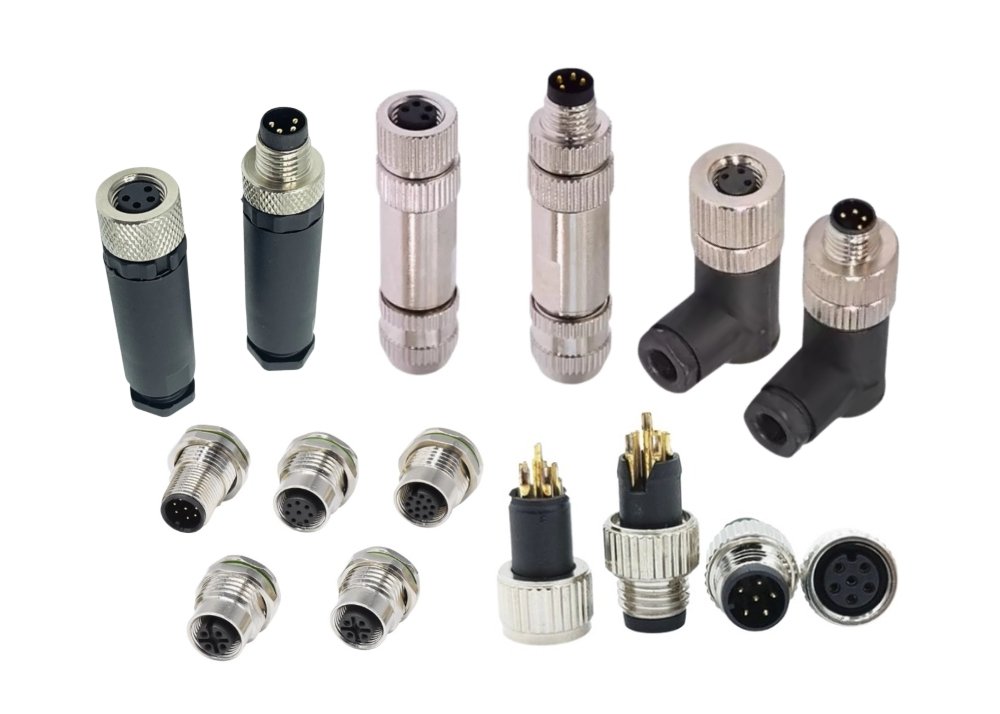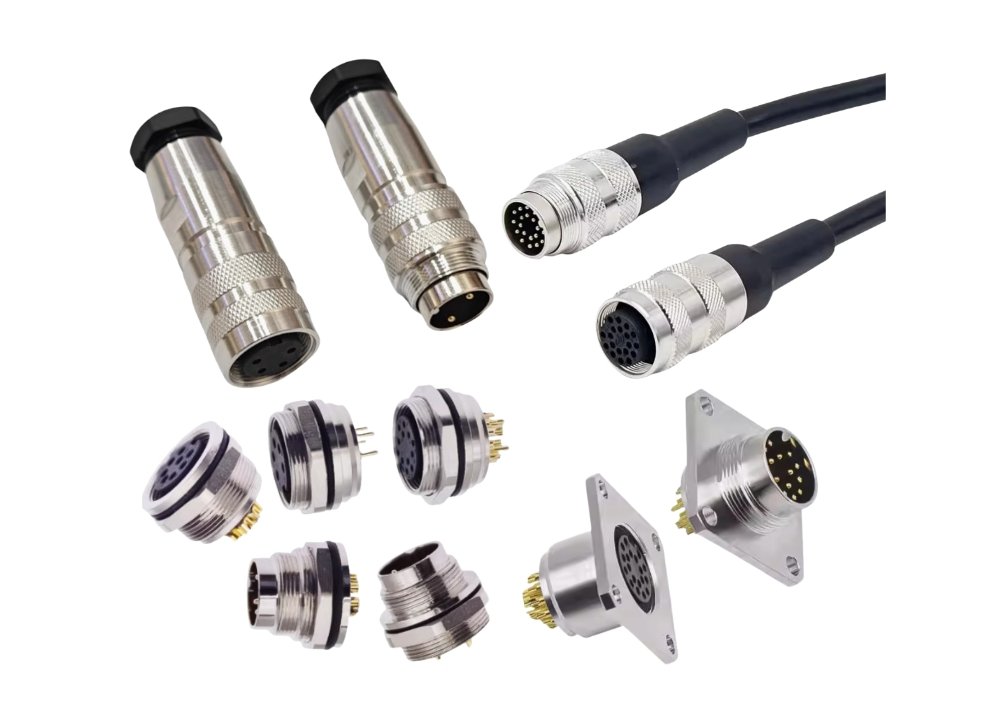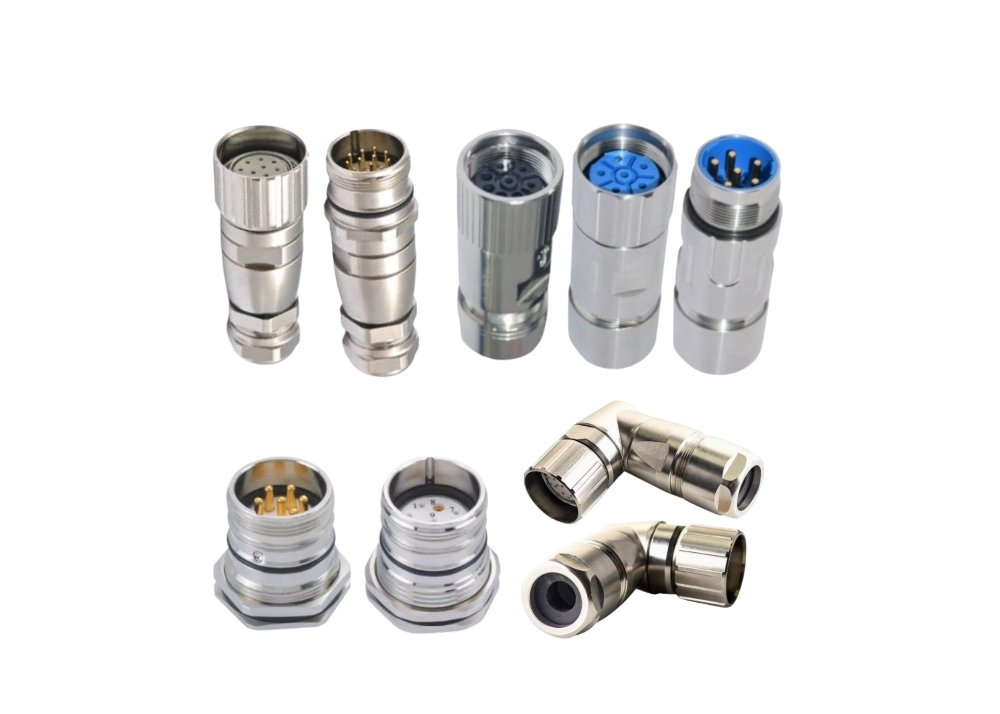

You rely on aerospace-grade industrial connectors to maintain safe and reliable operation in aerospace systems. These specialized connectors deliver consistent power and signal connectivity, which supports mission-critical equipment. The importance of aerospace connectors becomes clear when you consider that approximately 70% of quality defects in aerospace products stem from military specification electrical connectors.
- Aerospace-grade industrial connectors withstand extreme conditions and guarantee reliability for every flight.
- You see the importance of aerospace connectors in ensuring performance, safety, and compliance.
- Trusted options, such as the M8 connector and Type B connector, meet strict aerospace standards.
- Connector factory engineers design aerospace-grade industrial connectors to handle demanding environments.
The Role of Aerospace-Grade Industrial Connectors in Aerospace
Ensuring Reliability in Mission-Critical Systems
You depend on aerospace-grade industrial connectors to deliver reliability in mission-critical aerospace systems. These connectors play a vital role in the aerospace industry, especially when you work with commercial aircraft or multi-platform aerospace applications. You see their importance in the boeing 787, where every connection must withstand extreme conditions.
- Aerospace connectors are designed to endure harsh environments, including high vibration, shock, and temperature fluctuations.
- You rely on these connectors to meet strict performance standards for commercial aviation, military defense, and space exploration.
- The aerospace industry demands high-performance connectors to ensure reliable connectivity and the success of every mission.
You notice that boeing and other aerospace leaders choose connectors that guarantee uninterrupted operation. You understand that failure is not an option in aerospace applications.
Supporting Avionics, Power, and Communication
You encounter aerospace-grade connectors in a wide range of applications across the aerospace industry. These connectors support avionics, power distribution, and communication systems in aircraft such as the boeing 787. The table below highlights common connector types and their uses:
| Connector Type | Applications |
|---|---|
| MIL-DTL-5015 | Power distribution in aircraft, signal links in ground vehicles, engine wiring, generators. |
| MIL-DTL-26482 | Power and signal lines in aircraft, ground vehicles, radar installations, shipboard systems. |
| ARINC 600 | Linking avionics LRUs like flight computers and navigation modules to aircraft wiring harness. |
| D-Subminiature (D-Sub) | Used in avionics instrumentation, military vehicles, providing serial ports and I/O for cockpit instruments. |
| M12 Connector Series | Used for sensors, Ethernet, and I/O in industrial and aerospace manufacturing environments. |
You see these connectors integrated into boeing 787 systems, where they support advanced avionics and communication modules. You recognize that the aerospace industry relies on these solutions for safe and efficient operation.
Meeting Aerospace Environmental Demands
You face unique environmental challenges in aerospace applications. Connectors must perform reliably in the demanding conditions found in commercial aircraft and multi-platform aerospace applications. The table below outlines key environmental challenges and their impact on connectors:
| Environmental Challenge | Impact on Connectors |
|---|---|
| Ambient Temperature | Affects performance during use and storage |
| Humidity | Can lead to corrosion and failure |
| Sudden Temperature Changes | May cause mechanical stress and failure |
| Atmospheric Pressure | Impacts connector integrity in high-altitude conditions |
| Corrosive Environments | Deteriorates materials and affects functionality |
You select aerospace-grade connectors that resist corrosion, withstand temperature extremes, and maintain integrity under pressure. You ensure that every connector in the boeing 787 meets the rigorous standards of the aerospace industry. You know that your choices directly impact the safety and reliability of aerospace systems.
Types of Aerospace-Grade Industrial Connectors

You encounter a wide range of aerospace-grade industrial connectors when working with modern aircraft and space systems. Each connector type offers unique features that support reliable operation in demanding environments. You must understand these categories to select the right solution for your application.
Circular Connectors for Aerospace
Circular connectors remain a popular choice in aerospace due to their rugged construction and versatile connector design. You see these connectors in boeing aircraft, military vehicles, and space exploration platforms.
MIL-DTL-38999 Series
You rely on MIL-DTL-38999 connectors for high-performance applications. These connectors feature lightweight materials and advanced EMI/RFI shielding, which protect sensitive avionics and communication systems. You benefit from their corrosion resistance and secure locking mechanisms, ensuring stable connections even under vibration and shock.
Tip: MIL-DTL-38999 connectors support high-speed data, power, and signal transmission. You use them in boeing military aircraft and naval defense systems.
| Connector Type | Features | Applications |
|---|---|---|
| MIL-DTL-38999 | Lightweight, corrosion-resistant, EMI/RFI shielding | Military aircraft, space exploration |
ARINC 600 and Similar Standards
You encounter ARINC 600 connectors in avionics systems, especially when integrating line-replaceable units (LRUs) in boeing commercial aircraft. These connectors support modular connector design, allowing you to quickly swap out avionics modules for maintenance or upgrades. You appreciate their high contact density and reliable performance in confined spaces.
- ARINC 600 connectors offer robust mechanical stability.
- You use them for flight computers, navigation modules, and communication systems.
Rectangular Connectors in Aerospace Applications
Rectangular connectors provide efficient solutions when you need high contact density and compact connector design. You find these connectors in boeing cockpit instrumentation and satellite systems.
D-Subminiature Connectors
You select D-Subminiature connectors for avionics instrumentation and serial data transmission. These connectors fit into tight spaces and support multiple signal lines, making them ideal for boeing aircraft and military vehicles.
| Feature | Circular Connectors | Rectangular Connectors |
|---|---|---|
| Sealing | Excellent (IP-rated) | Possible, but more complex |
| Durability | High under stress | Moderate, corners weaker |
| Density | Lower | Higher |
Micro-D and Nano-D Connectors
You choose Micro-D and Nano-D connectors when size and weight matter most. These ultraminiature connectors deliver reliable performance in aerospace missions, including satellites and unmanned aerial vehicles. You benefit from their low-profile connector design, which saves space and reduces overall system weight.
- Micro-D and Nano-D connectors use non-outgassing materials.
- You rely on their durability for hundreds of mating cycles.
- You avoid magnetic interference by selecting low-residual magnetism options.
Specialty Connectors for Space-Grade Reliability
You require specialty connectors for the most demanding aerospace environments. These connectors offer advanced features that ensure reliability in space missions and high-performance aircraft.
Fiber Optic Connectors
You use fiber optic connectors for high-speed data transmission in boeing communication systems and satellite payloads. These connectors resist electromagnetic interference and support long-distance signal integrity.
- Fiber optic connectors excel in harsh environments.
- You benefit from their lightweight construction and immunity to EMI.
High-Speed Data Connectors
You select high-speed data connectors for avionics and flight control systems. These connectors feature micro twist pin contact systems, which provide multiple points of electrical contact and high current handling capabilities. You appreciate the flexibility of removable contacts, allowing you to adjust cable lengths during integration.
Note: High-speed data connectors support efficient integration of sensors and communication devices in boeing UAVs and satellites.
RF and Coaxial Connectors
You rely on RF and coaxial connectors for radio frequency transmission in aerospace applications. These connectors maintain signal integrity under extreme conditions, including high temperatures and radiation. You use them in radar systems, navigation modules, and communication links.
- RF and coaxial connectors use non-magnetic materials to prevent interference.
- You select designs rated for harsh environments and frequent mating cycles.
🚀 When you choose aerospace-grade connectors, you ensure reliable operation in every mission. You optimize connector design for durability, performance, and space-saving benefits.
Reliability and Space-Grade Reliability in Aerospace Connectors
Vibration and Shock Resistance
You face constant vibration and shock in aerospace environments, especially when working with aircraft systems. These forces can loosen connections or cause failures if you do not select the right connectors. To ensure space-grade reliability, you must choose connectors that pass rigorous testing standards. The table below highlights key standards used to verify vibration and shock resistance:
| Standard Name | Description |
|---|---|
| MIL-STD-810 | Covers a broad range of environmental conditions, including vibration and shock testing methods. |
| MIL-STD-1344 | Establishes uniform methods for testing electrical connectors, including vibration and shock tests. |
| DEF STAN 00-35 | Addresses various mechanical environments including vibration and shock for defense material. |
| NATO AECTP-400 | Replicates vibration environments for qualification of equipment used by NATO forces. |
You rely on these standards to confirm that connectors will maintain performance in the harshest aerospace conditions. When you select connectors tested to these specifications, you help prevent costly downtime and ensure mission success.
EMI Shielding and Signal Integrity
You encounter electromagnetic interference (EMI) in every modern aircraft. EMI can disrupt signals and compromise system performance. To maintain signal integrity, you need advanced shielding techniques at the connector interface. Filtering at the connector interface stands as the most effective defense against EMI and radio frequency interference (RFI). You often combine multiple shielding solutions for complex or sensitive applications. Shielding materials such as acrylic-based sprays and conductive O-rings further enhance signal integrity.
- Filtering at the connector interface blocks unwanted noise.
- Multiple shielding solutions address complex EMI challenges.
- Shielding materials like conductive O-rings and sprays improve performance.
You also use design techniques such as Pi filters, feedthrough capacitors, and inductive elements to absorb high-frequency noise. Metallic enclosures, conductive coatings, and ferrites help contain emissions and block external interference. These strategies ensure that your connectors deliver reliable data and power transmission in demanding aerospace environments.
Durability and Maintenance Intervals
You demand long-lasting performance from aerospace connectors. Manufacturers design sealed connectors to provide robust mechanical strength and resist environmental factors. Common IP ratings such as IP55, IP65, IP67, and IP69K indicate the level of dust and water protection. Higher IP ratings mean greater durability and less frequent maintenance.
- Sealed connectors withstand harsh conditions and reduce environmental failure rates to less than 5%.
- Regular inspections help you detect potential seal breaches before they impact reliability.
- Testing under extreme vibration and temperature ensures that connectors meet aerospace durability standards.
You follow regular testing protocols and adhere to standards like ISO 16750 to maintain connector performance. By choosing connectors with high durability ratings and appropriate maintenance intervals, you support the reliability and safety of every aerospace mission.
Key Selection Factors for Aerospace-Grade Industrial Connectors
Environmental Considerations in Aerospace
Selecting the right aerospace connectors for your aircraft requires careful attention to environmental factors. You must evaluate how connectors will perform under the unique conditions found in aerospace platforms. These conditions can challenge the reliability and longevity of every connection.
Temperature Extremes
You encounter temperature extremes in aerospace environments, from the freezing cold at high altitudes to the intense heat near engines. Connectors must maintain stable performance across a wide temperature range. You look for materials and designs that resist thermal cycling and prevent mechanical stress. High-performance aerospace connectors selection involves choosing products that operate reliably from -55°C to +200°C, ensuring safety and functionality in every flight.
- Temperature and humidity requirements
- Resistance to sandy or corrosive environments
- Challenges from high temperatures and thermal cycling
Tip: Always verify the working temperature range of connectors before integrating them into boeing or other advanced aircraft systems.
Moisture and Corrosion Protection
Moisture and corrosion pose significant threats to connector integrity. You need connectors with environmental sealing to block water, dust, and particulates. Corrosive atmospheres, such as those found near coastal bases or in humid climates, demand connectors with advanced coatings and materials. You select aerospace connectors with IP-rated sealing and corrosion-resistant finishes to ensure long-term performance.
- Resistance to dust, water, and corrosion
- Moisture and particulate ingress threats
- Performance and longevity in harsh environments
Electrical and Mechanical Performance
You must assess both electrical and mechanical properties when making aerospace connectors selection decisions. These factors directly impact system reliability and operational safety.
Voltage, Current, and Pin Density
You evaluate voltage and current ratings to match the demands of your aircraft systems. For example, MIL-C-38999 connectors offer between 2 and 61 pins, with high-density options featuring pin spacing as small as 2.4mm. You keep operating voltages below 2500V differential between pins to prevent energy jumps and ensure safe operation. Some connectors, like the Kona series, deliver up to 60 A with a maximum voltage rating of 3 kV, while Archer .8 connectors carry 0.5 A per pin and offer pin counts up to 120.
| Connector Series | Pin Count Range | Max Voltage | Max Current |
|---|---|---|---|
| MIL-C-38999 | 2-61 | <2500V | Varies |
| Archer .8 | 30-120 | Varies | 0.5A/pin |
| Kona | Varies | 3kV | 60A |
You also consider contact resistance, pin arrangement, and density to optimize performance and space utilization.
Locking Mechanisms and Mating Cycles
Locking mechanisms play a crucial role in maintaining electrical continuity and resisting mechanical stress. You choose robust locking systems that withstand vibration and temperature changes. Proper engagement and normal force help prevent wear and ensure reliable connections. You validate mating cycles to confirm connectors can endure repeated use without degradation. Excessive engagement increases friction and accelerates wear, so you test connectors under real-world conditions to prove long-term performance.
- Locking mechanisms must be robust to withstand mechanical stress.
- Proper engagement maintains electrical continuity.
- Mating cycles need validation for repeated use.
Note: Always select connectors with proven locking designs and tested mating cycles for critical aerospace applications.
Weight, Size, and Modularity
Weight reduction remains a top priority in aerospace connectors selection. You seek solutions that minimize mass without sacrificing performance or safety.
Miniaturization and Space-Saving Designs
You see a growing demand for miniaturized connectors in modern aerospace platforms, especially satellites and compact aircraft systems. Miniaturization allows you to save space and reduce overall weight, which improves fuel efficiency and payload capacity. High-performance connectors now offer greater contact densities and smaller pitches, meeting the needs of advanced aerospace technology.
- Miniaturization is essential for satellite and spacecraft designs.
- High-performance connectors feature greater contact densities.
- Space-saving designs support compact devices and systems.
You also benefit from smart technologies, such as IoT-enabled connectors, which enhance monitoring and predictive maintenance capabilities.
Composite Materials for Weight Reduction
You achieve significant weight reduction by selecting connectors made from composite materials. Fiber-reinforced polymer composites and carbon fiber reinforced plastic (CFRP) replace traditional metals, lowering density while maintaining high yield strength. CFRP, for example, offers a yield strength of 550 MPa and weighs much less than steel or aluminum alloys. The rectangular shape of composite connectors minimizes wasted space and enhances design efficiency. Modular designs further improve production and performance without compromising safety.
- Composite materials replace traditional metals for weight reduction.
- Fiber-reinforced polymer composites advance lightweight structures.
- Modular design improves performance and safety.
🚀 You drive innovation in aerospace by choosing connectors that combine miniaturization, modularity, and advanced materials for optimal performance and weight reduction.
Maintenance and Serviceability in Aerospace
You play a critical role in maintaining the reliability of aerospace-grade industrial connectors. Proper maintenance and serviceability ensure that every connector performs at its best throughout its operational life. You must follow industry best practices to reduce the risk of failure and extend the lifespan of your connectors.
You start by focusing on installation. You follow manufacturer’s specifications for torque settings. This step prevents damage and guarantees secure connections. You avoid over-tightening, which can deform contacts, and under-tightening, which can lead to poor electrical continuity.
Routine inspection forms the backbone of your maintenance strategy. You establish a schedule to check for wear, corrosion, and physical damage. You look for signs of discoloration, pitting, or loose contacts. Early detection allows you to address issues before they compromise system performance.
Cleaning protocols help you maintain connector integrity. You use approved cleaning agents and methods. You avoid harsh chemicals that can degrade materials. You remove dust, moisture, and contaminants that may cause corrosion or electrical faults.
Environmental protection remains essential. You shield connectors from moisture, temperature extremes, and corrosive atmospheres. You use protective covers and seals. You store connectors in controlled environments when not in use.
Cable preparation requires attention to detail. You select the correct cable size and type. You strip insulation evenly to ensure optimal contact. You avoid nicks or cuts that can weaken the connection.
Training your personnel strengthens your maintenance program. You educate staff on proper handling, inspection, and cleaning procedures. Well-trained teams reduce risks and improve connector longevity.
The table below summarizes the best practices you should follow:
| Best Practice | Description |
|---|---|
| Proper Installation Techniques | Follow manufacturer’s specifications for torque settings to avoid damage or poor connections. |
| Regular Maintenance and Inspection | Establish a routine to check for wear, corrosion, and damage to ensure long-term functionality. |
| Cleaning Protocols | Use approved cleaning agents and methods to maintain connector integrity and prevent corrosion. |
| Environmental Considerations | Take protective measures against moisture and extreme conditions to enhance connector performance. |
| Proper Cable Preparation | Ensure correct cable size and type, and strip insulation evenly for optimal contact. |
| Training Personnel | Educate staff on maintenance protocols to reduce risks of failures and prolong connector life. |
Tip: You improve reliability by documenting every maintenance activity. You keep detailed records of inspections, repairs, and replacements. This practice supports traceability and helps you meet aerospace compliance requirements.
You recognize that effective maintenance and serviceability protect your investment in aerospace-grade connectors. You ensure safe operation and mission success by following these best practices.
Standards and Certifications for Aerospace-Grade Industrial Connectors
MIL-SPEC and Aerospace Standards
You must understand the critical role that standards play in the aerospace industry. These standards ensure that every connector you use meets strict requirements for safety, reliability, and performance. When you select connectors for aerospace applications, you rely on established guidelines that define everything from material quality to environmental resistance.
MIL-DTL, ARINC, and SAE Standards
You encounter several key standards when working with aerospace connectors. The most common include MIL-DTL, ARINC, and SAE specifications. These standards cover connector design, testing, and material selection. For example, MIL-DTL-24308 governs D-Sub connectors, specifying contact sizes, mating forces, voltage requirements, and environmental performance. You also see requirements for manufacturing processes and periodic testing to maintain qualification. Material standards demand high-grade, corrosion-resistant metals and specific plating options.
| Standard | Description |
|---|---|
| MIL-DTL-24308 | Governs D-Sub connectors, detailing contact sizes, mating forces, voltage requirements, and environmental specifications. |
| Manufacturing | Requires compliance with verification processes and periodic testing to maintain qualification. |
| Materials | Mandates the use of high-grade, corrosion-resistant materials and specific plating options. |
You often work with connector types such as:
- D-Subminiature (D-Sub) connectors
- Micro-miniature connectors
- EMI and EMP filter connectors
- Hermetic and epoxy-sealed connectors
These standards help you ensure that every military aerospace connector you choose will perform reliably in demanding environments.
Certification, Testing, and Quality Assurance
You cannot overlook the importance of certification and quality assurance in aerospace. Certification processes, such as AS9100, set the bar for safety and reliability. AS9100 builds on ISO 9001 and adds requirements focused on risk management and performance in extreme conditions. You depend on this certification to confirm that connectors will withstand high altitudes, temperature fluctuations, and other aerospace challenges.
You see several key performance factors addressed during certification:
| Key Performance Factor | Description |
|---|---|
| Temperature Resistance | Aerospace systems must operate at extreme temperatures, both high and low. |
| Vibration Resistance | PCBAs in aircraft must endure vibrations without malfunctioning. |
| Signal Integrity | Maintaining clear, reliable signals in navigation and communication systems is critical. |
You follow a rigorous process that includes thorough documentation and testing. This process ensures compliance with all performance requirements for aerospace applications.
Traceability and Documentation Requirements
You must maintain complete traceability for every connector you install. Documentation requirements include detailed records of manufacturing, testing, and maintenance activities. You keep these records to support audits and to demonstrate compliance with industry standards. This practice helps you quickly identify and address any issues that arise during the connector’s lifecycle.
Tip: Always store documentation in a secure, accessible location. This habit supports quality assurance and simplifies regulatory compliance.
You strengthen your quality assurance program by following these standards and maintaining accurate records. This approach ensures that your aerospace connectors deliver reliable performance on every mission.
Innovations and Trends in Aerospace-Grade Industrial Connectors for 2025
Advanced Materials and Lightweight Alloys
You see a major shift toward advanced materials in aerospace-grade connectors. Manufacturers now use lightweight metals such as aluminum, magnesium, and titanium alloys. These materials can reduce weight by up to 60% compared to traditional copper connectors. You benefit from this reduction, especially when working on aircraft where every gram counts. High-performance composites, including fiber-reinforced plastics, offer a balance of strength and low weight. For example, Amphenol’s CFRP shell connector weighs 35% less than metal shells but still delivers high performance.
You also notice new design strategies that help you save weight:
- Space optimization through staggered terminal assembly shrinks the connector’s footprint.
- Modular integration combines connectors with other components, saving up to 20% in weight.
- Topology optimization uses finite element analysis to adjust the structure, increasing strength while minimizing weight.
Recent improvements in manufacturing, such as injection molding and precision processing, allow you to achieve these weight savings efficiently. You see less material waste and faster production cycles, which support the demands of modern aerospace projects like those at Boeing.
Digitalization and Smart Connector Technologies
You experience the impact of digitalization in the way you configure and monitor connectors. A leading German manufacturer now lets you customize components to your exact needs. This flexibility comes from automated, modular production lines that work like a Lego set. You can quickly adapt connectors for different aerospace applications, improving both efficiency and reliability.
Automation and data-driven processes help you compete in a global market. You use real-time data to monitor connector performance and identify areas for improvement. Smart connectors now offer features such as self-diagnosis and predictive maintenance. These advancements help you reduce downtime and keep aircraft systems running smoothly.
Tip: Embrace digital tools to streamline your connector selection and maintenance processes. You gain better control and insight into every connection.
Sustainability and Eco-Friendly Designs
You recognize the growing importance of sustainability in aerospace. Manufacturers now focus on eco-friendly designs that reduce environmental impact. You choose connectors made from recyclable materials and low-emission manufacturing processes. Lightweight designs not only save weight but also lower fuel consumption, which helps reduce the carbon footprint of each flight.
You see companies adopting green practices, such as using water-based coatings and minimizing hazardous substances. These changes align with stricter regulations and the expectations of the aerospace industry. By selecting sustainable connectors, you support both operational efficiency and environmental responsibility.
Evolving Aerospace Standards and Regulations
You navigate a rapidly changing landscape in aerospace standards and regulations. Agencies such as the FAA and EASA enforce strict certification requirements. These organizations focus on safety, electromagnetic compatibility, and environmental resilience. You must ensure that every connector you select meets these rigorous standards. The push for automation and electrification in aerospace systems increases the demand for reliable and certified connectors.
You face a complex regulatory environment. New standards require you to invest in advanced materials and specialized engineering. This shift raises development costs and creates financial barriers, especially for smaller companies. Supply chain disruptions can delay production and elevate costs. You must plan carefully to avoid setbacks and maintain compliance.
You see operational costs rise as you adapt to evolving regulations. Extensive testing and certification become necessary steps in your workflow. Noncompliance can result in contract losses or project delays. You recognize the importance of thorough documentation and traceability. Every connector must pass detailed inspections and meet performance benchmarks.
Note: You protect your projects by staying informed about regulatory updates. Regular training and collaboration with suppliers help you maintain compliance and avoid costly mistakes.
You witness a growing demand for connectors that deliver enhanced reliability and data transmission capabilities. Manufacturers invest heavily in research and development to meet these expectations. You benefit from innovations in connector design, such as improved shielding and robust locking mechanisms. These advancements help you address new safety and performance requirements.
The table below summarizes key regulatory agencies and their focus areas:
| Agency | Focus Area | Impact on Connectors |
|---|---|---|
| FAA | Safety, certification | Requires rigorous testing |
| EASA | Environmental resilience | Demands advanced materials |
| RTCA/DO-160 | Electromagnetic compatibility | Necessitates EMI shielding |
You must stay proactive in monitoring regulatory changes. You review technical bulletins and participate in industry forums. These actions help you anticipate new requirements and adjust your connector selection strategies.
You understand that evolving aerospace standards shape every aspect of connector development. You prioritize compliance, reliability, and innovation to succeed in this demanding industry. By adapting to new regulations, you ensure that your aerospace systems remain safe, efficient, and future-ready.
Practical Guidelines for Choosing Aerospace-Grade Industrial Connectors
Assessing Aerospace Application Requirements
You start by evaluating the unique demands of your aerospace project. Each application brings its own set of challenges, so you must match the connector’s properties to the conditions of use. Consider the following when making your assessment:
- Review the performance characteristics required for your system, such as current, voltage, and signal integrity.
- Confirm compliance with military standards, which is essential for aerospace reliability.
- Analyze environmental conditions, including temperature extremes, humidity, and vibration.
- Identify potential physical failures, such as bent pins or broken housings, especially in high-stress environments.
- Avoid routing critical systems through a single connector to reduce risk.
- Reference AS50881 guidelines for safe wire termination, as proper termination supports the safety of electrical wiring interconnection systems.
You ensure that every connector meets the functional hazard assessment for your aircraft. This process helps you prevent mishandling and maintain system integrity, whether you work on a satellite or a boeing commercial jet.
Collaborating with Suppliers and Manufacturers
You achieve the best results when you work closely with your suppliers and manufacturers. In aerospace, quality and reliability remain non-negotiable. Industry groups like NADCAP set the bar for best practices, so you should expect your partners to meet these standards. Early integration of engineering teams leads to better solutions and fewer surprises.
| Key Factor | Description |
|---|---|
| Early Integration | Involve the manufacturer’s engineers early to optimize design and performance. |
| Product Portfolio | Discuss all interface options to leverage the full range of available products. |
| Quality Assurance | Ensure compliance with ISO and sector-specific standards for consistent quality. |
| Speed | Choose partners who can quickly turn requirements into finished products. |
| Accessibility | Maintain direct access to technical teams for fast resolution of queries and changes. |
You also prioritize full quality assurance throughout the cable assembly process. Look for suppliers who comply with ISO 9001 and aerospace-specific standards. This approach guarantees that your connectors will perform as expected in every mission.
Balancing Cost, Performance, and Compliance
You face the challenge of balancing cost, performance, and compliance in every aerospace project. Start by understanding the demands of your application, such as vibration, EMI, and environmental exposure. Select the right coupling mechanism—threaded, bayonet, or push-pull—to match your operational needs. Ensure environmental sealing with appropriate IP ratings and chemical resistance.
You must also assess temperature and material limits to guarantee extreme durability. Always verify compliance with MIL-SPEC standards. Plan for ease of future maintenance and replacement, which can save both time and resources over the life of the aircraft.
Tip: Reducing weight remains a top priority in aerospace. Lightweight connectors and optimized designs help you meet strict weight targets without sacrificing reliability or compliance.
You make informed decisions by weighing each factor carefully. This approach ensures that your aerospace systems remain safe, efficient, and ready for the future.
You play a critical role in selecting aerospace-grade industrial connectors. Consider these essential factors:
- Mechanical design shapes connector lifespan and reliability.
- Mating cycles and mounting methods impact performance and cost.
- Gender and keying prevent incorrect connections.
- Total cost of ownership matters more than unit price.
- Proven reliability in similar applications ensures safety.
- Miniaturization and high-speed data transmission drive efficiency.
- Smart technologies, including IoT-enabled connectors, improve monitoring.
- Compliance with IEC, ESA, and NAS standards guarantees durability in harsh environments.
You strengthen aerospace systems by prioritizing reliability, compliance, and future-ready solutions.
FAQ
What makes a connector “aerospace-grade”?
You select aerospace-grade connectors for their ability to withstand extreme temperatures, vibration, and pressure. Manufacturers design these connectors to meet strict industry standards. You rely on them for mission-critical reliability in aircraft, satellites, and space vehicles.
How do you choose the right connector for your aerospace application?
You start by reviewing your system’s voltage, current, and environmental requirements. You check compliance with MIL-SPEC or ARINC standards. You also consider weight, size, and maintenance needs. Consulting with your supplier ensures you select the best fit.
Why is EMI shielding important in aerospace connectors?
You need EMI shielding to protect sensitive signals from electromagnetic interference. Without proper shielding, you risk data loss or system malfunction. You ensure reliable communication and control by choosing connectors with advanced EMI protection.
How often should you inspect aerospace connectors?
You should inspect connectors during every scheduled maintenance cycle. Look for signs of corrosion, wear, or loose contacts. Early detection helps you prevent failures and maintain system reliability.
Can you use standard industrial connectors in aerospace systems?
You should not use standard industrial connectors in aerospace systems. Aerospace applications require connectors that meet higher standards for durability, vibration resistance, and environmental sealing. Using the wrong type can compromise safety and performance.
What are the main standards for aerospace connectors?
You encounter several key standards:
| Standard | Focus Area |
|---|---|
| MIL-DTL | Military specifications |
| ARINC | Avionics compatibility |
| SAE | Aerospace engineering |
You check these standards to ensure compliance and reliability.
How do you maintain connector traceability?
You keep detailed records for each connector, including manufacturing data, test results, and maintenance history. This documentation supports audits and helps you track performance throughout the connector’s lifecycle.
Are lightweight connectors as reliable as traditional ones?
You benefit from lightweight connectors made with advanced materials. These connectors meet the same rigorous standards as traditional designs. You gain weight savings without sacrificing reliability or performance.