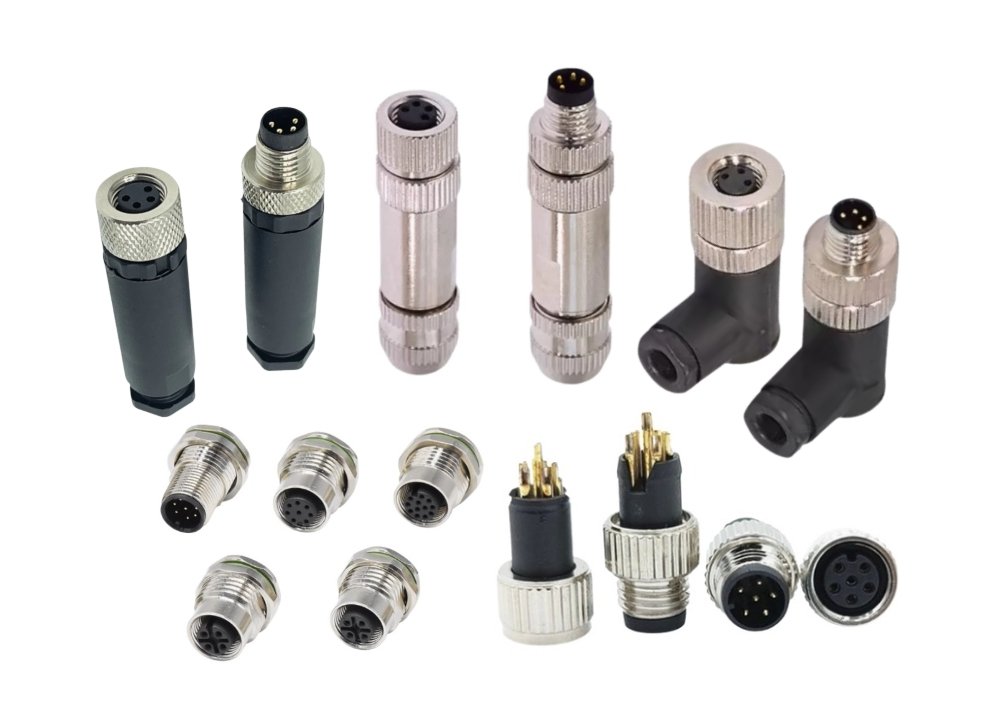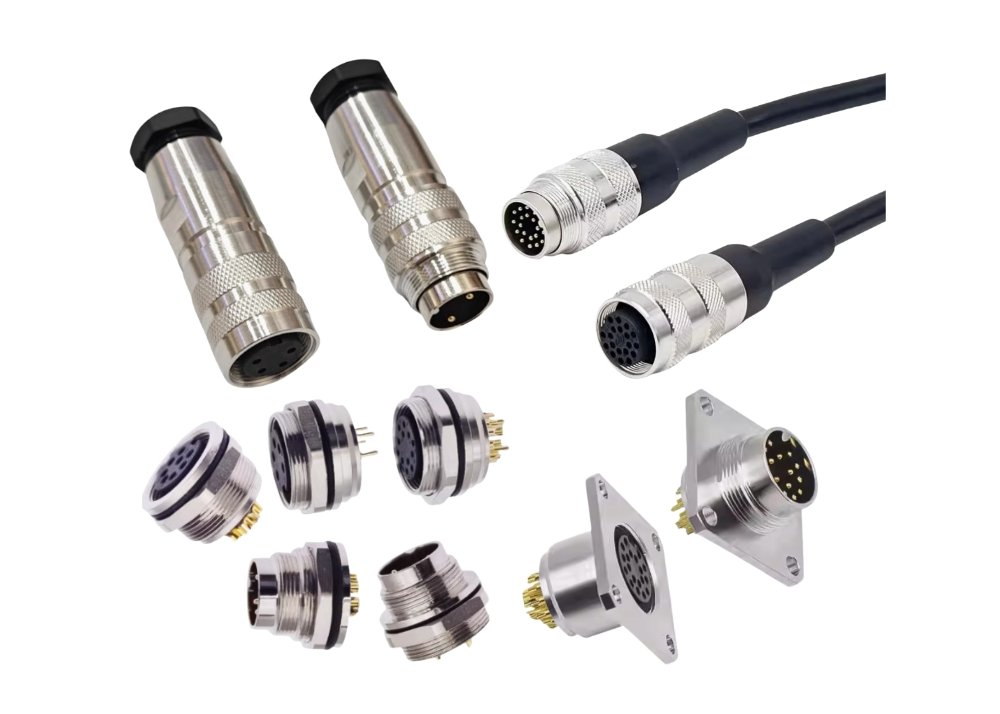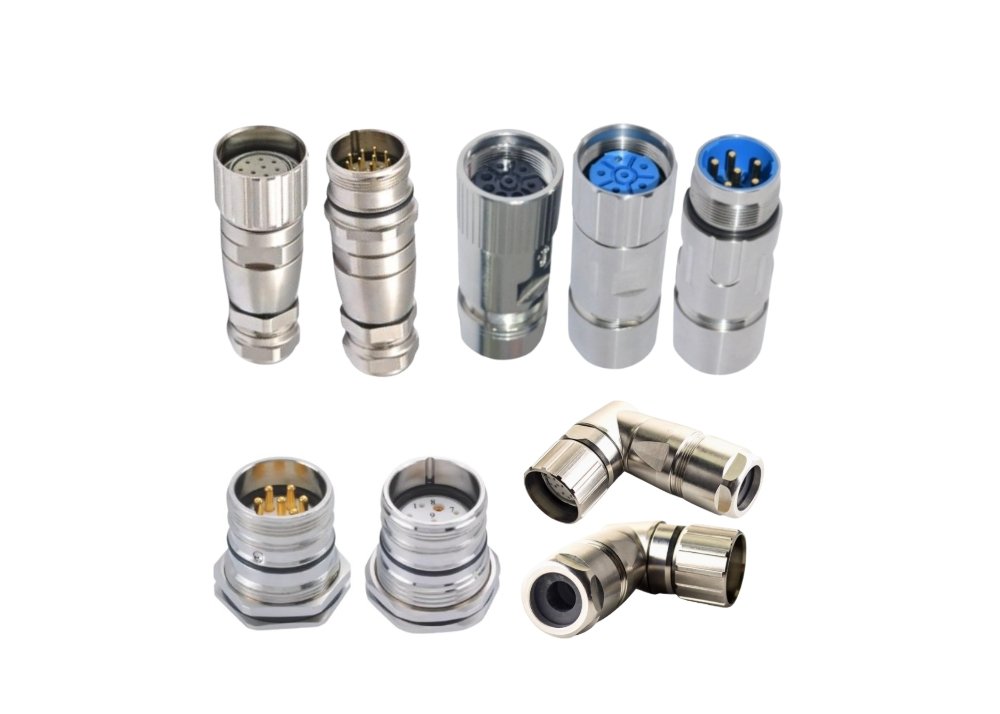
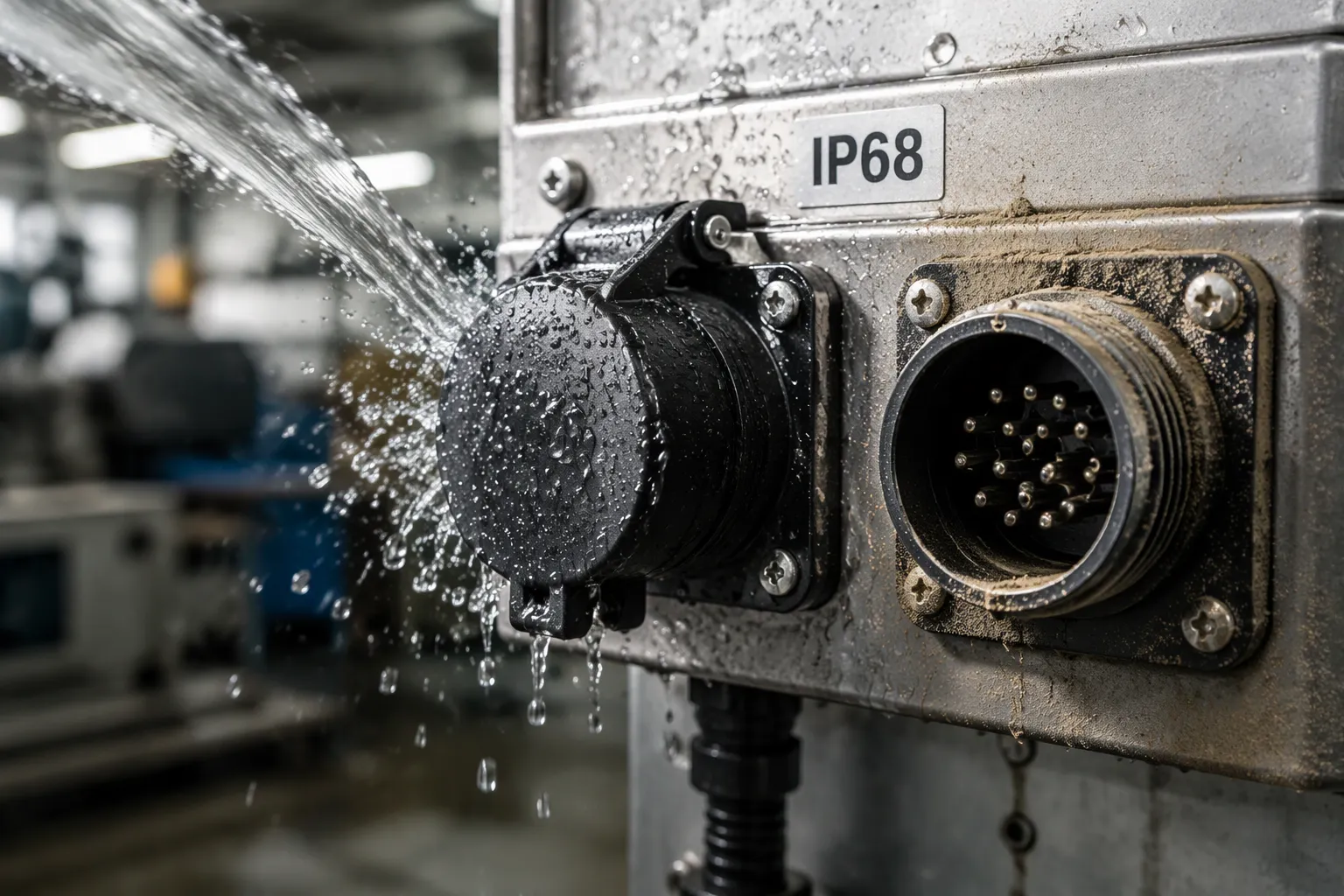
IP65 and IP66 both deliver complete protection against dust ingress. The difference lies in water resistance: IP66 withstands powerful water jets, while IP65 handles standard low-pressure jets. When comparing dust and waterproof standards, the IP65 vs IP66 decision comes down to washdown conditions, not overall quality. Both IP65 and IP66 ratings are common in industrial connectors, including M8 connector and Type B connector lines from any reputable connector factory. Each rating fits specific environments. Neither one is superior. The application’s cleaning methods and exposure determine the right choice.
What the IP Rating System Means

Two Digits, Two Protections
An IP code carries two digits. Each digit describes a separate protection level. The first digit covers solids. The second digit covers liquids. Engineers read the code from left to right and evaluate each digit on its own.
The First Digit: Solids and Dust
The first digit measures resistance to solid objects, including dust ingress. A higher number means a tighter seal against particles. The scale runs from 0 (no protection) to 6 (dust-tight). A rating of 6 represents the top of the solid-particle scale.
The Second Digit: Water
The second digit measures resistance to water. The scale runs from 0 to 9K. Each step adds a tougher exposure, from drips to powerful jets to immersion. The test conditions for dust and water jets differ at every level.
Reading IP65 and IP66 at a Glance
What the “6” in the First Position Guarantees
The leading 6 in both codes guarantees complete dust protection. No dust enters the enclosure under test conditions. This shared digit means IP65 and IP66 ratings perform identically against airborne particles.
What the “5” and “6” in the Second Position Mean
The trailing digit separates the two codes. A 5 means protection against low-pressure water jets from a 6.3 mm nozzle. A 6 means protection against powerful high-pressure jets from a 12.5 mm nozzle. The table below summarizes the split.
| Code | First Digit | Second Digit |
|---|---|---|
| IP65 | 6 — dust-tight | 5 — low-pressure jets |
| IP66 | 6 — dust-tight | 6 — powerful jets |
Why the Rating Alone Is Not the Whole Story
Ratings Apply to the Mated Connector Assembly
IP enclosure ratings apply to a complete, mated assembly. A plug alone carries no valid rating. The seal forms only when the plug and receptacle join correctly. Buyers should confirm the rating on the mated pair, not on a single component.
Installation Quality Affects Real-World Performance
A certified rating assumes correct installation. A loose coupling, a damaged gasket, or a misaligned insert breaks the seal. Water then finds a path the lab test never simulated. Skilled installation protects the rating in the field.
When comparing dust and waterproof standards, the IP65 vs IP66 choice rests on water exposure. The rating system itself stays consistent across both codes.
IP65 Specifications for Industrial Connectors
Dust Protection Requirements
Dust-Tight Performance Criteria
The first digit of the ip65 rating demands complete protection against dust ingress. An ip65 enclosure must admit no dust into its interior during the standard test. This requirement matches the dust performance of an ip66 connector exactly. Both codes share the same dust-tight benchmark.
Ingress Limits Under Test Conditions
Testers expose the connector to a talcum powder atmosphere inside a sealed chamber. A vacuum pump draws air through the enclosure for up to eight hours. The pass criterion allows zero dust deposits inside the housing. Any visible dust inside the enclosure constitutes a failure.
Water Protection Requirements
Protection Against Low-Pressure Water Jets
The second digit of IP65 addresses water. An IP65 connector resists low-pressure jets from every direction. This water protection rating suits washdown tasks that use standard nozzles and moderate pressure. The jet simulates routine cleaning rather than aggressive high-pressure blasting.
Defined Test Parameters for the Jet Test
The ip65 water jet test uses a 6.3 mm nozzle. Testers direct water at 12.5 liters per minute from a distance of 2.5 to 3 meters. The nozzle pressure reaches 30 kPa at the enclosure surface. Operators rotate the test specimen through 360 degrees to cover all approach angles.
How IP65 Is Tested
Standard Test Setup and Nozzle Configuration
A turntable holds the mated connector assembly during the jet test. The 6.3 mm nozzle mounts on a movable arm. The arm sweeps around the specimen at the specified distance. Test duration runs at least three minutes per square meter of enclosure surface. A minimum of five minutes applies to small connector housings.
Pass and Fail Criteria
After the jet exposure, technicians inspect the interior for water accumulation. No water may reach live parts or collect in harmful quantities. Trapped moisture that does not contact functional components may pass. The ip ratings define acceptable ingress by location and volume, not by total dryness.
The table below summarizes the key IP65 test parameters.
| Parameter | IP65 Requirement |
|---|---|
| Nozzle diameter | 6.3 mm |
| Flow rate | 12.5 L/min |
| Pressure | 30 kPa |
| Distance | 2.5–3 m |
| Duration | 3 min/m² (5 min minimum) |
IP65-rated enclosures serve many industrial connector lines well. The rating confirms complete protection against dust and reliable resistance to standard washdown jets.
IP66 Specifications for Industrial Connectors
Dust Protection Requirements
Identical Dust-Tight Criteria to IP65
The IP66 rating carries the same first digit as IP65. Both codes demand complete protection against dust ingress. An IP66 enclosure admits no dust particles during the standard talcum powder test. Testers apply the same vacuum method and the same eight-hour exposure window. The pass criterion allows zero visible dust inside the housing.
Why the First Digit Matches
The first digit describes solids only. Water performance never changes that digit. An IP66 connector therefore delivers complete protection against dust, just as an IP65 unit does. Buyers who compare the two codes see identical dust performance on paper and in the lab.
Water Protection Requirements
Protection Against Powerful High-Pressure Water Jets
The second digit of the IP66 rating raises the water protection rating to its highest jet level. An IP66 connector resists protection against powerful water jets from every direction. These powerful water jets simulate aggressive washdown with high-pressure equipment. The exposure suits food processing, heavy equipment, and outdoor process areas.
Higher Pressure and Flow Parameters
The IP66 high-pressure washdown test uses a larger 12.5 mm nozzle. Water flows at 100 liters per minute from a distance of 2.5 to 3 meters. Nozzle pressure reaches 100 kPa at the enclosure surface. These values far exceed the IP65 jet parameters.
| Parameter | IP66 Requirement |
|---|---|
| Nozzle diameter | 12.5 mm |
| Flow rate | 100 L/min |
| Pressure | 100 kPa |
| Distance | 2.5–3 m |
| Duration | 3 min/m² (5 min minimum) |
How IP66 Is Tested
Standard Test Setup and Nozzle Configuration
A turntable holds the mated connector assembly during the jet test. The 12.5 mm nozzle mounts on a sweeping arm. The arm circles the specimen at the specified distance and angle. Test duration runs at least three minutes per square meter of surface, with a five-minute minimum for small housings.
Pass and Fail Criteria
After exposure, technicians open the enclosure and inspect for moisture. No water may reach live parts or collect in harmful amounts. The ip ratings judge ingress by location and volume. Small traces away from functional components may pass. Water on contacts or terminals fails the test.
The IP66 rating confirms complete protection against dust and reliable defense against powerful water jets. This rating serves high-pressure washdown environments well.
Dust Protection: IP65 vs IP66
Identical Dust-Tight Performance
Same First-Digit Requirement
The first digit of an IP code describes solid-particle protection. Both IP65 and IP66 carry a 6 in that position. This shared digit means the two codes impose the same dust requirement on a connector. Testers apply identical talcum powder exposure and vacuum conditions to both. Neither code allows any visible dust inside the housing after the test.
What Dust-Tight Means in Practice
Dust-tight performance means complete protection against dust under the defined test conditions. Fine particles cannot enter the enclosure, even under a pressure differential. In the field, this level of sealing keeps abrasive grit away from contacts and terminals. It also prevents conductive dust from bridging live parts. A dust-tight connector therefore suits gritty plants, cement areas, and other particle-heavy sites.
Practical Implications for Connector Design
Sealing Features That Satisfy Both Ratings
The same sealing features satisfy both codes on the dust side. A molded gasket at the interface blocks particle entry. An O-ring around the insert adds a second barrier. Tight coupling threads hold the mating halves together under load. Designers who meet the dust requirement for one code automatically meet it for the other. The water digit alone drives any design change.
Where Dust Protection Alone Does Not Differentiate
Dust performance never separates IP65 from IP66. Buyers who compare these two codes on dust alone find no difference. The rating difference lives entirely in the second digit, which covers dust and water jets at different strengths. When comparing dust and waterproof standards, the ip65 vs ip66 decision therefore rests on water exposure. A dusty but dry plant gains nothing from the higher water digit. A washdown plant, by contrast, must weigh jet strength carefully. Dust protection stays constant across both codes, so the ip65 and ip66 choice turns on cleaning methods. Specifiers who focus on the ip65 or ip66 water test parameters make the better call. The dust side of the rating demands the same care in installation for either code.
Water Protection: IP65 vs IP66
Jet Strength Compared
Standard Jets vs Powerful Jets
The second digit of the IP code separates the two ratings on water performance. IP65 connectors resist standard low-pressure jets. IP66 connectors resist powerful high-pressure jets. Both codes deliver complete dust protection, so the jet strength alone drives the water difference.
A standard jet delivers moderate energy at the enclosure surface. This exposure matches routine washdown with a handheld nozzle. A powerful jet carries far more momentum per unit area. It simulates the output of high-pressure cleaning equipment used in food plants and heavy process areas. The gap between the two jet classes is substantial, not marginal.
Pressure, Flow, and Distance Differences
Three parameters define jet strength: nozzle pressure, flow rate, and nozzle diameter. Distance stays constant at 2.5 to 3 meters for both tests. The IP65 test applies 30 kPa through a 6.3 mm nozzle at 12.5 liters per minute. The IP66 test applies 100 kPa through a 12.5 mm nozzle at 100 liters per minute. The pressure more than triples, and the flow rate rises eightfold. The larger nozzle spreads the stream over a wider area, yet the total energy striking the enclosure climbs sharply.
These numbers matter in the field. A connector rated for IP65 may fail under a high-pressure lance. A connector rated for IP66 handles both jet classes, because the tougher test covers the weaker one. Buyers who compare the waterproof rating ip65 vs ip66 should read the jet parameters, not just the digit.
Test Method Differences
Side-by-Side Test Parameter Comparison
Both tests share the same rig: a turntable, a sweeping nozzle arm, and a mated connector assembly. The parameters diverge in every other respect. The table below sets the two tests side by side.
| Parameter | IP65 Test | IP66 Test |
|---|---|---|
| Nozzle diameter | 6.3 mm | 12.5 mm |
| Flow rate | 12.5 L/min | 100 L/min |
| Pressure at surface | 30 kPa | 100 kPa |
| Distance | 2.5–3 m | 2.5–3 m |
| Duration | 3 min/m² (5 min min.) | 3 min/m² (5 min min.) |
| Approach angles | 360° sweep | 360° sweep |
The duration and coverage stay identical. Only the jet energy changes. This design isolates water force as the single variable between the two ratings.
What Each Test Simulates in the Field
The IP65 jet test simulates a standard washdown hose. A worker sprays equipment with a low-pressure nozzle during routine sanitation. The test reproduces that exposure from every angle. The IP66 jet test simulates a high-pressure washer or a plant washdown system with a large nozzle. Such equipment strips heavy soil from surfaces and drives water into seams with force. A connector that passes the IP66 test survives both scenarios. A connector that passes only the IP65 test suits the gentler routine.
Real-World Exposure Scenarios
Splash and Light Washdown Conditions
Many industrial sites expose connectors to splashes and light washdown. Food service areas, packaging lines, and sheltered process rooms fall into this group. Workers clean with standard hoses at moderate pressure. Water strikes the connector at low velocity and drains away quickly. An IP65 connector handles this exposure well. The standard jet test covers the splash angle, the flow volume, and the pressure these sites generate. Specifiers who match the rating to this environment avoid unnecessary cost.
High-Pressure Washdown Conditions
Other sites demand far more from a connector. Meat processing plants, dairy facilities, and outdoor process areas use high-pressure washdown as a daily routine. Large nozzles drive water at force into every crevice. Steam and chemical spray often accompany the water. An IP66 connector meets this demand through its protection against powerful water jets. The rating confirms that the seal holds when a high-pressure lance fires directly at the housing. Sites that combine dust and strong water jets need this level of defense. The same seal that blocks dust also resists the jet, so one rating covers both threats.
The choice between these ratings turns on the cleaning method, not on product quality. A buyer who weighs comparing dust and waterproof standards for a specific plant should observe the actual washdown equipment first. The observed jet strength then points to the correct rating. The ip65 vs ip66 decision becomes straightforward once the field conditions are known. An IP65 connector serves splash-prone and lightly washed areas. An IP66 connector serves high-pressure washdown areas. Both ratings deliver full protection against dust and water jets within their defined limits. The rating on the datasheet means little without a match to the real environment.
Choosing the Right Rating for Your Application
Selecting between IP65 and IP66 requires a clear picture of the actual operating environment. The two codes share complete dust protection, so the decision rests entirely on water exposure. Specifiers who understand their cleaning methods and site conditions make a confident choice. Those who guess risk over-specification costs or under-specification failures.
Where IP65 Fits Best
Standard Washdown and Splash-Prone Environments
Many industrial facilities clean equipment with standard hoses and moderate-pressure nozzles. Packaging lines, food service areas, and light assembly rooms fall into this category. Workers spray water at low velocity, and the stream drains away quickly. An IP65 connector handles this exposure without difficulty. The standard jet test covers the splash angle, flow volume, and pressure these sites generate. A connector rated for IP65 keeps water out of live parts during routine sanitation. The seal holds against the low-pressure stream from every direction. Facilities that clean with handheld nozzles at standard pressure find IP65 enclosures fully adequate. The waterproof rating ip65 vs ip66 comparison shows that IP65 meets the demand at lower cost.
Indoor and Sheltered Installations
Indoor sites rarely expose connectors to direct high-pressure spray. Sheltered process rooms, control cabinets, and covered production areas protect equipment from weather and heavy washdown. Moisture in these spaces comes from humidity, occasional drips, and light cleaning. An IP65 connector resists these conditions well. The dust-tight seal also keeps airborne particles away from contacts. A connector factory often supplies IP65-rated enclosures for these indoor applications because they balance protection with economy. The rating confirms defense against standard water jets and complete dust exclusion. Indoor installations rarely need the higher jet strength of IP66. Specifiers who match the rating to the sheltered environment avoid unnecessary expense.
Where IP66 Fits Best
High-Pressure Washdown Environments
Some facilities clean with high-pressure washers as a daily routine. Meat processing plants, dairy operations, and pharmaceutical clean rooms use large nozzles that drive water at force. These powerful water jets strip heavy soil from surfaces and push water into every seam. An IP66 connector meets this demand through its tougher jet test. The seal holds when a high-pressure lance fires directly at the housing. IP66 enclosures also resist steam and chemical spray that often accompany the water. Sites that combine dust and strong water jets need this level of defense. The same seal that blocks dust also resists the jet, so one rating covers both threats. Facilities with aggressive washdown schedules find IP66-rated enclosures the safer choice.
Harsh Outdoor and Process Areas
Outdoor installations face rain, hose-down cleaning, and process spray. Chemical plants, wastewater facilities, and outdoor conveyor systems expose connectors to water from multiple sources. An IP66 connector handles direct jet exposure from cleaning crews and process equipment. The rating also covers the dust and water jets common in gritty outdoor sites. Wind-driven rain and periodic washdown demand a seal that holds under pressure. IP66 enclosures deliver that performance. The higher jet rating gives operators confidence during aggressive cleaning. Outdoor process areas that use high-pressure equipment should specify IP66 from the start. Retrofitting a failed connector costs far more than the initial price difference.
Questions to Ask Before Specifying
Actual Cleaning Methods and Equipment
The cleaning method drives the rating decision more than any other factor. Specifiers should observe the actual washdown equipment in use. A handheld nozzle at standard pressure points to IP65. A high-pressure washer with a large nozzle points to IP66. The distance between the nozzle and the connector matters as well. Close-range blasting demands the tougher rating. Cleaning frequency also plays a role. Daily high-pressure washdown wears on seals faster than weekly light cleaning. Maintenance teams know the real cleaning routine better than anyone. Their input prevents costly mismatches. The ip65 vs ip66 choice becomes clear once the cleaning equipment and methods are documented.
Environmental and Installation Factors
The surrounding environment adds context to the rating decision. Outdoor sites face rain and temperature swings that stress seals. Indoor sites with humidity and dust present different challenges. Installation quality affects how well any rating performs. A loose coupling or damaged gasket breaks the seal regardless of the code on the datasheet. Specifiers should confirm that installers follow torque and alignment procedures. The mated assembly carries the rating, not the individual components. Buyers should verify the rating on the complete plug-and-receptacle pair. A connector factory that documents mated-assembly testing gives buyers confidence. Environmental factors and installation practices together determine whether the chosen rating holds up in service.
The table below summarizes the selection guidance for each rating.
| Consideration | IP65 | IP66 |
|---|---|---|
| Cleaning method | Standard hose, moderate pressure | High-pressure washer, large nozzle |
| Typical environments | Indoor, sheltered, splash-prone | Outdoor, process areas, aggressive washdown |
| Jet exposure | Low-pressure jets from 6.3 mm nozzle | Powerful jets from 12.5 mm nozzle |
| Dust protection | Complete | Complete |
| Best fit | Routine sanitation, light washdown | Daily high-pressure cleaning, harsh sites |
The rating on the datasheet means little without a match to the real environment. Specifiers who ask the right questions before ordering avoid both over-specification and under-specification. The ip65 and ip66 codes each serve distinct applications well. A careful review of cleaning methods and site conditions points to the correct choice every time.
Regulatory Compliance and Cost Considerations
Standards and Certification
Relevant Ingress Protection Standards
The IEC 60529 standard defines every IP code, including IP65 and IP66. This international standard sets the test methods, nozzle sizes, and pass criteria for each digit. Many countries adopt IEC 60529 directly or publish equivalent national versions. Buyers should confirm that a connector’s rating references this standard. A claim without a standard behind it carries little weight.
Verification and Documentation Expectations
Reputable suppliers provide test reports from accredited laboratories. These reports list the mated assembly, the test parameters, and the results. Buyers should request documentation for the exact connector pair they plan to install. A certificate for a similar model does not cover a different housing or seal design. Clear documentation protects both the specifier and the installer.
Cost Factors
Connector Cost Differences Between Ratings
An IP66 connector typically costs more than an IP65 unit. The higher price reflects tougher sealing features and more demanding testing. The gap varies by connector family and housing size. Buyers should compare quotes on a mated-assembly basis. A low plug price means little when the receptacle adds cost.
Total Cost of Ownership Considerations
Purchase price is only one part of the cost picture. A failed seal can stop a production line and trigger repairs. An under-rated connector in a high-pressure washdown area may fail within months. An over-rated connector adds upfront cost with no field benefit. Maintenance teams should weigh replacement frequency and downtime against the initial price difference.
Balancing Protection and Budget
Matching Rating to Actual Exposure
The ip65 vs ip66 decision should follow the observed cleaning routine. An ip65 connector suits standard hoses and moderate pressure. An ip66 connector suits high-pressure washers and daily aggressive washdown. Specifiers who watch the actual cleaning equipment make a confident call. The rating then matches the real exposure.
Avoiding Over- and Under-Specification
Over-specification wastes budget on protection the site never uses. Under-specification risks water ingress and costly failures. Both errors stem from the same cause: a guess instead of an assessment. A documented review of cleaning methods, site conditions, and installation practices prevents both. The chosen rating should reflect the environment, not a habit or a default.
IP65 vs IP66 Vaportight Fixtures: Selection Guidance
Matching the Rating to the Fixture Environment
Washdown Intensity and Frequency
Cleaning intensity drives the selection of ip65 vs ip66 vaportight fixtures more than any other factor. A facility that cleans with standard hoses at moderate pressure fits an ip65 fixture well. A plant that runs high-pressure washers daily needs the tougher ip66 rating. Cleaning frequency also matters. Daily aggressive washdown wears seals faster than weekly light cleaning. Maintenance teams should document the actual nozzle pressure and spray distance before specifying industrial vapor tight fixtures. The observed cleaning routine then points to the correct rating for the site.
Enclosure and Sealing Compatibility
The fixture housing and the connector seal must work as one system. A gasket that fits one housing may not seat properly in another. Specifiers should confirm that the chosen ip65 or ip66 connector matches the enclosure thread and insert geometry. Industrial vapor tight fixtures rely on a tight coupling and a molded gasket at the interface. A mismatched pair breaks the seal regardless of the code on the datasheet. Compatibility checks before ordering prevent field failures.
Specification Checklist for Vaportight Installations
Verifying Mated Assembly Ratings
The IP rating applies to the complete plug-and-receptacle pair, not to a single component. Buyers of ip65 vs ip66 vaportight fixtures should request the rating for the exact mated assembly they plan to install. A plug alone carries no valid rating. The seal forms only when both halves join correctly. Specifiers should also confirm torque and alignment procedures with the installer. Proper installation protects the rating in service.
Documentation and Certification Checks
Reputable suppliers provide test reports from accredited laboratories. These reports should reference IEC 60529 and list the mated assembly, test parameters, and results. Buyers of industrial vapor tight fixtures should verify that the certificate covers their specific housing and seal design. A report for a similar model does not apply. Clear documentation protects both the specifier and the installer.
The table below summarizes the verification steps for ip65 vs ip66 vaportight fixtures.
| Check | What to Confirm |
|---|---|
| Mated assembly | Rating listed for the exact plug-and-receptacle pair |
| Standard | Test report references IEC 60529 |
| Housing match | Gasket and thread compatible with the enclosure |
| Installation | Torque and alignment procedures documented |
A careful review of washdown conditions and documentation points to the right choice. The ip65 vs ip66 vaportight fixtures decision then rests on evidence, not assumption. Specifiers who verify mated ratings and certification for industrial vapor tight fixtures avoid both over-specification and field failures. The ip65-rated enclosures suit standard washdown, and ip66 units serve high-pressure sites. Either rating performs well when matched to the real environment.
When comparing dust and waterproof standards, the ip65 vs ip66 decision rests on water exposure. Both ip65 and ip66 ratings deliver complete protection against dust. The two codes differ only in resistance to dust and water jets. Specifiers should choose ip65 for standard washdown and splash-prone areas. High-pressure washdown environments call for ip66. Each rating performs well when matched to the real cleaning methods and site conditions. The ip65 and ip66 ratings both serve as valid choices once the specification reflects the actual operating environment.
FAQ
Does IP66 protection include IP65 protection?
Yes. The IP66 jet test uses a larger nozzle, higher pressure, and greater flow than the ip65 test. A connector that passes the tougher test also survives the weaker one. Buyers gain full coverage of both jet classes with the higher rating.
Can a connector carry both ratings at once?
No. Each IP code describes one tested performance level. A manufacturer may certify a product line at both levels with separate tests. Buyers should check the exact mated assembly and request documentation for the rating they need.
Does dust protection differ between the two ratings?
No. Both codes carry a 6 in the first digit position. Testers apply the same talcum powder exposure and vacuum method to each. Neither code allows visible dust inside the housing. The water digit alone separates the two ratings.
How long does each jet test take?
Both tests run at least three minutes per square meter of enclosure surface. Small connector housings receive a five-minute minimum. The duration and 360-degree coverage stay identical. Only the jet energy changes between the ip65 and ip66 tests.
Can a damaged gasket void the rating?
Yes. A certified rating assumes correct installation and intact seals. A torn gasket, a loose coupling, or a misaligned insert breaks the seal. Water then reaches paths the lab test never simulated. Inspectors should check seals during routine maintenance.
Does a higher rating always cost more?
Usually, yes. An ip66 connector carries tougher sealing features and more demanding test requirements. The price gap varies by connector family and housing size. Buyers should compare quotes on a mated-assembly basis, not on a single component.
Which rating suits outdoor installations?
Outdoor sites face rain, hose-down cleaning, and process spray. An IP66 connector handles direct jet exposure from cleaning crews and equipment. Sheltered outdoor areas with light cleaning may accept the lower rating. Specifiers should observe the actual washdown routine first.
Does the rating apply to the plug alone?
No. The IP rating applies to the complete, mated plug-and-receptacle assembly. A plug alone carries no valid rating. The seal forms only when both halves join correctly. Buyers should verify the rating on the exact pair they plan to install.