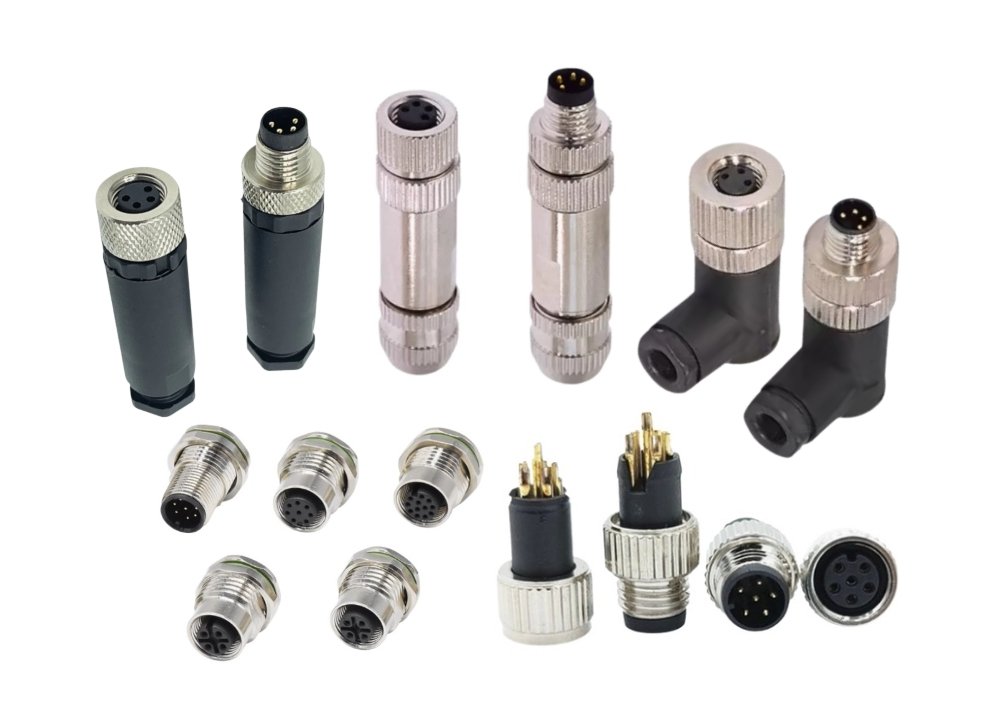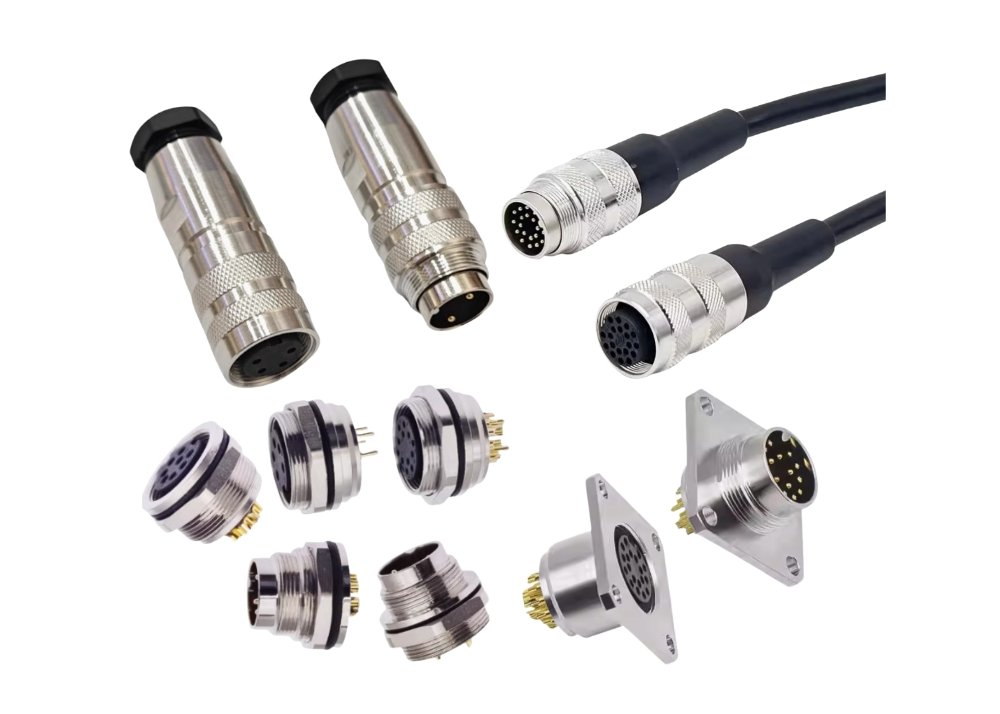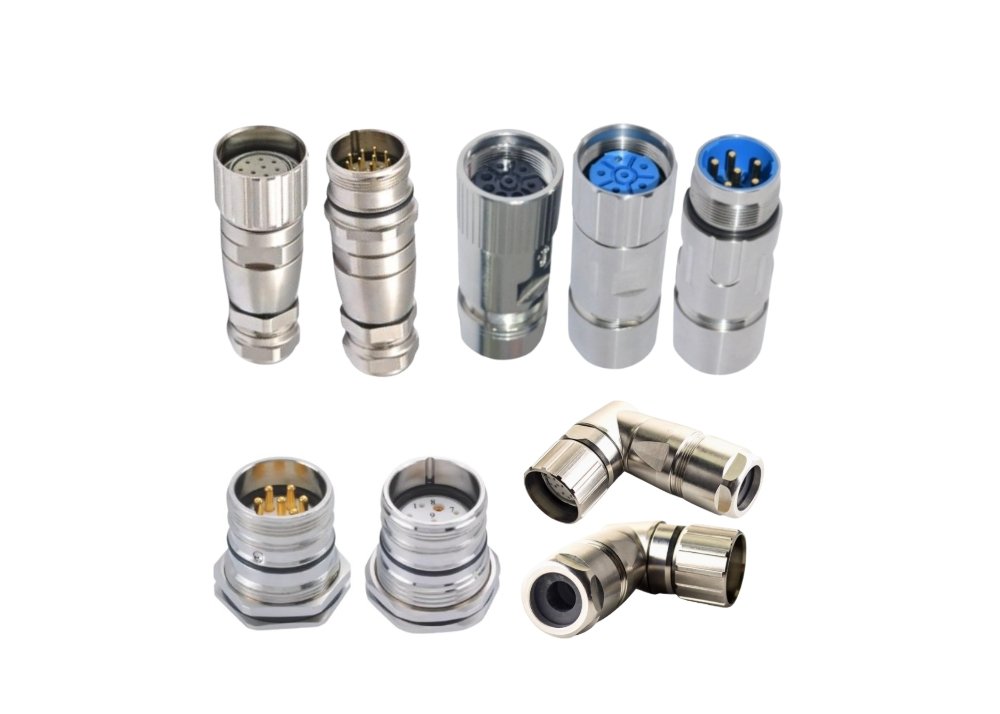
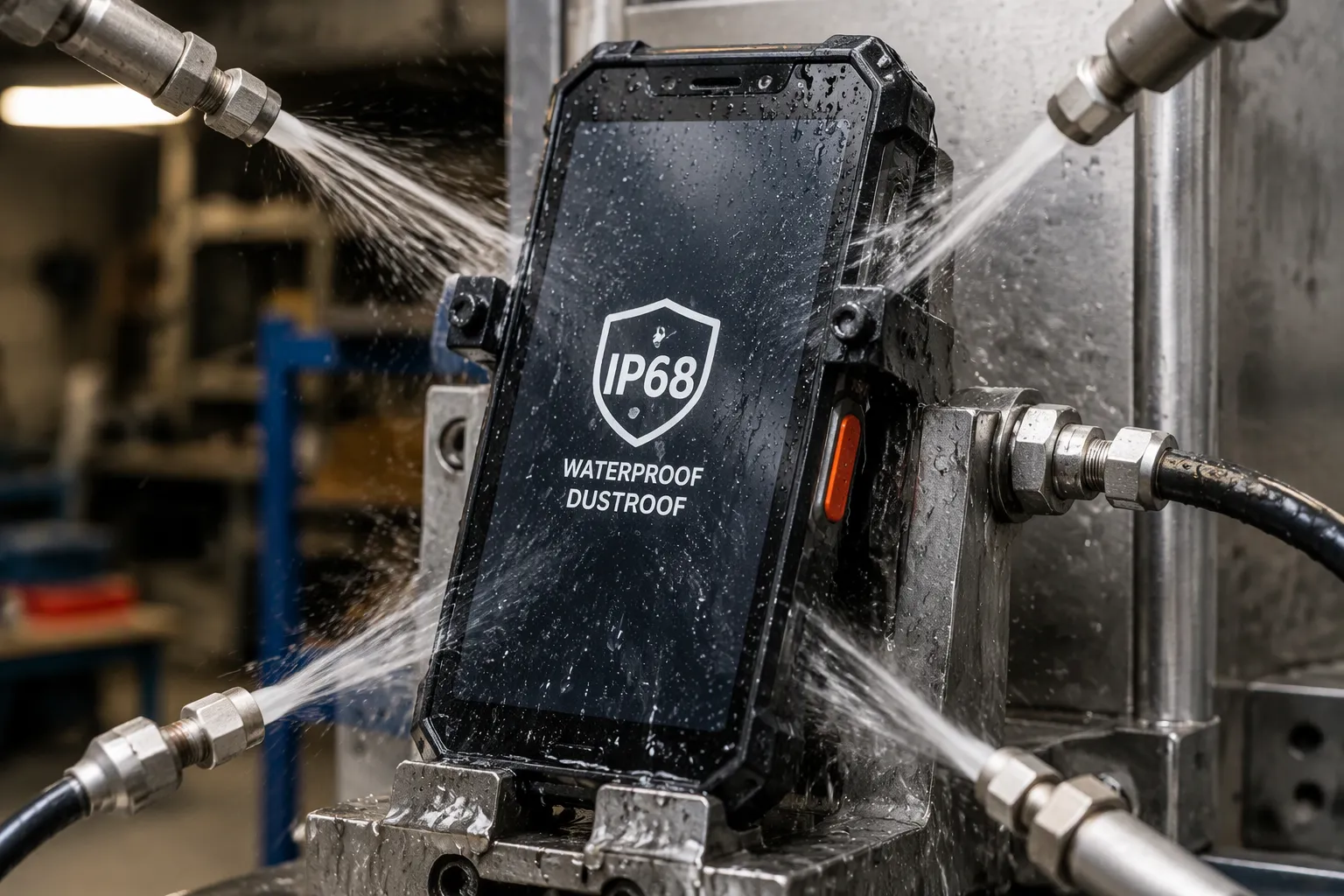
The IP69 Rating defines complete dust-tight protection plus resistance to high-pressure, high-temperature water jets under IEC 60529. This rating matters more than ever in 2026. Washdown hygiene standards keep tightening, heavy equipment keeps electrifying, and you expect reliable performance in high-voltage, high-temperature settings. IP69 is the top practical dust-and-water protection class. Design engineers, maintenance leads, and procurement teams all need to understand it, down to how an M8 connector, a Type B connector, or any part from a connector factory earns the claim.
IP Ratings Explained
What IEC 60529 Defines
Scope of the Standard
IEC 60529 sets the international framework for ingress protection. The standard defines how enclosures resist dust and water intrusion. It covers electrical equipment housings across nearly every industry. The standard does not measure corrosion resistance, impact strength, or UV durability. You must evaluate those properties separately.
How Ratings Are Written
An IP rating always starts with the letters “IP.” Two digits follow. The first digit addresses solids. The second digit addresses liquids. A rating such as IP69 tells you the enclosure passed both the dust test and the high-pressure water jet test. Some ratings add a letter suffix, such as IP69K. That suffix signals a specific test variant.
Decoding the Two Digits
First Digit: Solids
The first digit runs from 0 to 6. A 0 means no protection against contact or objects. A 6 means complete dust-tight construction. At level 6, no dust enters the enclosure even under a vacuum test. IP69 requires a first digit of 6.
Second Digit: Liquids
The second digit runs from 0 to 9. Lower numbers cover dripping water and splashes. Higher numbers cover powerful jets and immersion. Level 9 represents protection against close-range, high-pressure, high-temperature water jets. This level demands the toughest sealing performance on the scale.
Where IP69 Sits in the Scale
Common Ratings Compared
| Rating | Dust Protection | Water Protection | Typical Use |
|---|---|---|---|
| IP54 | Partial | Splashes | Indoor panels |
| IP65 | Dust-tight | Low-pressure jets | General industrial |
| IP67 | Dust-tight | Temporary immersion | Outdoor devices |
| IP68 | Dust-tight | Continuous immersion | Submersible gear |
| IP69 | Dust-tight | High-pressure, high-temperature jets | Washdown zones |
Limits of the Scale
IP69 sits at the top of the practical scale. The rating confirms jet resistance under defined test conditions. It does not guarantee permanent submersion performance. It also does not replace a full application review. You still need to match the rating to your actual washdown pressure, temperature, and chemical exposure.
IP69 Rating vs. IP69K
You will see both ratings on product datasheets. Many buyers treat them as identical. They are not. Both ratings share the same first digit of 6, so both guarantee dust-tight construction. The difference lives entirely in the second digit and the test method behind it. Understanding that gap helps you specify the right enclosure for your washdown profile.
The Test Conditions
Water Pressure and Temperature
The IP69 test uses water jets at high pressure and high temperature. Test parameters typically reach 80–100 bar of pressure. Water temperature climbs to 80°C. The enclosure must survive these jets without water ingress. The IP69K test pushes conditions further. Pressure rises to 80–100 bar as well, but water temperature reaches 80°C at the nozzle. The “K” suffix stands for the German term “conical jet,” which means conical jet. This test originated in the German automotive and food industries. It simulates the harsh washdown cycles found in those sectors.
Nozzle Distance and Duration
Nozzle placement and test duration separate the two standards. The IP69 test directs jets from multiple angles. The nozzle sits close to the enclosure, often 100–150 mm away. The test runs for a defined period at each angle. The IP69K test uses a specific setup. A single nozzle rotates around the enclosure at a set distance, typically 100–150 mm. The jet sweeps the entire surface during the test cycle. Duration depends on the enclosure size and the test laboratory’s procedure. Both tests demand that no water enters the enclosure in harmful quantities.
Key Differences
High-Pressure vs. High-Temperature Jets
The core distinction comes down to jet behavior. The IP69 Rating focuses on high-pressure jets delivered at elevated temperature. The test verifies that seals hold against forceful water streams. The IP69K rating emphasizes a rotating, high-pressure jet that mimics steam cleaner output. The K variant replicates the exact spray pattern of industrial washdown wands. This pattern matters for food processing plants. Workers there use handheld sprayers at close range. The IP69K test mirrors that real-world scenario more closely.
Steam and Washdown Exposure
Steam exposure adds another layer. Neither rating certifies steam resistance directly. Both tests use hot water, not saturated steam. However, the IP69K test conditions come closer to steam cleaner environments. The high temperature and close nozzle distance create a punishing combination. Enclosures rated IP69K typically handle steam-adjacent washdown better. You should still verify steam resistance separately if your process uses live steam. The rating covers water jets, not vapor penetration.
Which Rating Fits Your Application
Food and Beverage Washdown
Food and beverage plants favor IP69K. The rating matches the rotating spray patterns of clean-in-place systems. Hygiene standards in these facilities demand frequent, aggressive washdown. Equipment must survive daily exposure to hot, pressurized water and cleaning chemicals. An IP69K enclosure gives you documented proof against that routine. Many plant managers specify IP69K as a baseline requirement for any equipment in the washdown zone. The rating also satisfies auditors who check hygiene compliance.
Heavy Equipment and Vehicles
Heavy equipment and vehicle applications often call for IP69. Construction machinery, agricultural tractors, and mining trucks face high-pressure cleaning between shifts. The IP69 Rating covers those jet exposures well. Engine compartments add heat to the equation. An IP69 enclosure handles both the washdown and the elevated ambient temperature. Vehicle wash systems sometimes use rotating nozzles similar to the IP69K setup. In those cases, IP69K offers a closer match. Review your actual cleaning method before you choose.
The table below summarizes the practical differences.
| Factor | IP69 | IP69K |
|---|---|---|
| Jet type | High-pressure, high-temperature | Rotating conical jet |
| Water temperature | Up to 80°C | Up to 80°C |
| Pressure | 80–100 bar | 80–100 bar |
| Nozzle motion | Multiple angles | Rotating sweep |
| Typical origin | General industrial | Automotive, food processing |
| Best fit | Heavy equipment, vehicles | Food/beverage washdown |
Both ratings deliver top-tier protection. Your cleaning procedure decides which one you need. Match the test method to your real washdown routine, and you get an enclosure that performs when it matters.
Industries That Demand IP69 Protection
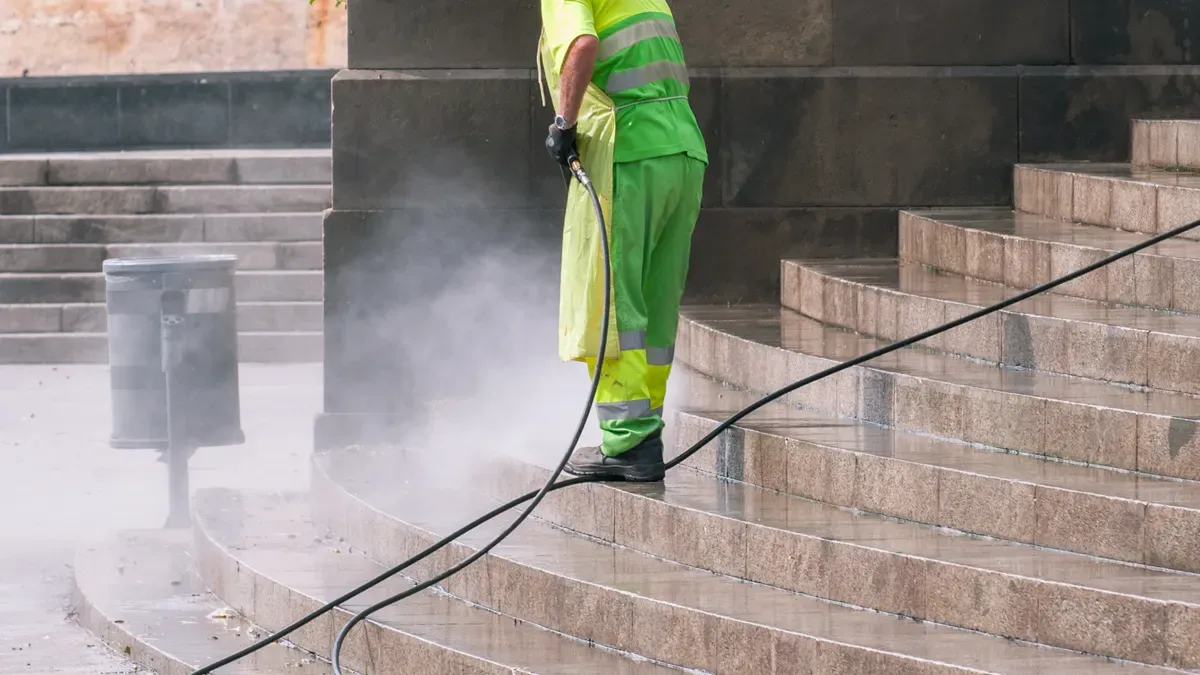
Food and Beverage Processing
Hygiene and Washdown Requirements
Food and beverage plants run aggressive washdown cycles every day. Workers spray equipment with hot, pressurized water to remove residue and bacteria. Hygiene auditors expect documented protection against that routine. An enclosure that fails under jet exposure creates contamination risks and failed inspections. The IP69 Rating gives you proof that a housing survives these conditions.
Equipment Selection Criteria
You should specify enclosures that match your actual cleaning method. Check the nozzle distance, water temperature, and pressure your sanitation team uses. Choose connectors and housings with sealed cable entries. Verify that every component in the washdown zone carries the same rating. A single unrated fitting can compromise the entire assembly.
Industrial and Manufacturing
High-Pressure Cleaning Environments
Manufacturing floors rely on high-pressure washers to keep equipment clean. Metal chips, coolant, and grease build up fast. Standard enclosures leak under close-range jets. IP69-rated housings hold their seal through repeated cleaning cycles. You reduce unplanned stoppages and protect sensitive controls.
High-Voltage Equipment Protection
Electrification raises the stakes in wet environments. High-voltage cabinets and drive enclosures face both water jets and elevated temperatures. Water intrusion near live conductors creates serious safety hazards. IP69 protection keeps moisture away from critical components. You meet electrical safety requirements and protect your workforce.
Transportation and Heavy Equipment
Vehicle Wash and Weather Exposure
Fleet operators clean vehicles and machinery with powerful spray systems. Construction equipment, agricultural tractors, and mining trucks face this treatment between shifts. Rain, mud, and road spray add constant exposure. IP69-rated components handle both the washdown and the weather. Your equipment stays operational in the field.
High-Temperature Engine Compartments
Engine compartments combine heat with moisture and vibration. Washdown water hits hot surfaces and creates steam. Seals must resist thermal stress without degrading. IP69 enclosures maintain their integrity in these demanding zones. You get reliable performance from sensors, connectors, and control units mounted near the engine.
Medical and Laboratory Settings
Sterilization and Cleaning Protocols
Medical facilities and laboratories demand strict cleaning routines. Equipment must survive repeated exposure to disinfectants, hot water, and pressurized spray. You cannot risk moisture reaching internal electronics during sterilization cycles. An enclosure with the IP69 Rating gives you documented protection against these aggressive cleaning methods. Autoclave rooms, surgical suites, and decontamination areas all rely on high-pressure washdown. Sealed housings keep sensitive circuits dry through every cycle. You should confirm that your cleaning agents and temperatures fall within the tested range. Some sterilization processes use chemical vapors that fall outside the rating scope. Review your protocol against the manufacturer’s test data before you install equipment in these zones.
Sensitive Electronics Protection
Laboratory instruments and medical devices carry delicate sensors and control boards. A single water droplet can corrupt readings or trigger a failure. IP69-rated enclosures block dust and high-pressure jets from reaching these components. You protect diagnostic accuracy and extend instrument life. Benchtop analyzers, imaging equipment, and monitoring stations all benefit from sealed construction. Cable entries deserve equal attention. A rated housing with an unsealed connector still admits water. Specify sealed fittings and verify that every entry point matches the enclosure rating. This discipline keeps your sensitive electronics operational in wet, high-temperature settings.
How IP69 Protection Is Achieved
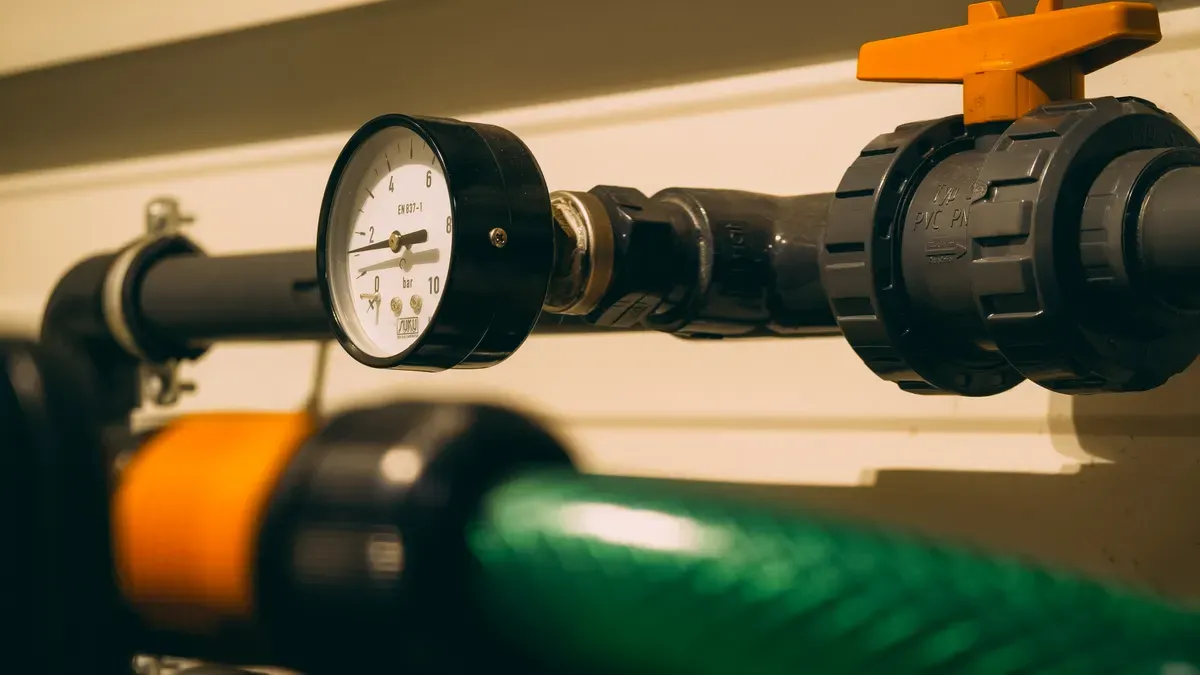
An IP69 rating does not happen by accident. Every seal, every housing surface, and every cable entry must work together as a system. You cannot rely on one strong component to carry the whole enclosure. The rating emerges from careful material choices, smart mechanical design, and rigorous testing. This section walks you through each layer of that process.
Materials Selection
The materials you choose determine how long an enclosure holds its rating. A seal that cracks after six months of washdown defeats the purpose of certification. You need materials that resist heat, pressure, and chemical exposure without losing their physical properties.
Seals and Gaskets
Seals form the first line of defense against water jets. The material must compress and recover through thousands of washdown cycles. Silicone rubber handles high temperatures well and stays flexible across a wide range. EPDM offers excellent resistance to water, steam, and many cleaning chemicals. Fluorosilicone adds oil resistance to the temperature range of standard silicone. You should match the seal material to your cleaning agents. A seal that swells or hardens under chemical exposure will leak. Seal hardness also matters. Softer compounds conform better to surface imperfections. Harder compounds resist extrusion under high pressure. Most IP69 enclosures use a hardness between 50 and 70 Shore A. The gasket groove design must support the seal through compression cycles. A seal that shifts or rolls during assembly creates a leak path. Molded gaskets with precise geometry outperform cut-to-length cord stock in demanding applications.
Housings and Coatings
The housing material carries the structural load and blocks direct jet impact. Stainless steel grades 304 and 316 resist corrosion and handle high-pressure spray without deformation. Polycarbonate and fiberglass-reinforced polyester offer lighter weight and good dielectric strength. Die-cast aluminum works well when you apply a proper coating. The coating must bond tightly and resist chipping under jet pressure. Powder coatings outperform liquid paints in washdown environments. A coating thickness between 60 and 120 microns provides solid protection. Any scratch or chip exposes bare metal to corrosion. You should inspect coated housings regularly for surface damage. Uncoated plastic housings avoid this problem entirely. They also eliminate the risk of galvanic corrosion at fastener points. The table below compares common housing materials.
| Material | Corrosion Resistance | Weight | Impact Strength | Best Fit |
|---|---|---|---|---|
| Stainless steel 316 | Excellent | Heavy | High | Food processing, chemical plants |
| Stainless steel 304 | Good | Heavy | High | General industrial washdown |
| Polycarbonate | Excellent | Light | Moderate | Electronics enclosures |
| Coated die-cast aluminum | Good (if coating intact) | Moderate | High | Vehicle and machine housings |
Enclosure Design
Good materials alone cannot deliver IP69 protection. The mechanical design must direct water away from sensitive areas and maintain seal integrity under pressure. Design choices at this stage decide whether the enclosure passes the jet test or fails at the first nozzle pass.
Sealing Geometry and Drainage
Sealing geometry controls how water interacts with the enclosure surface. A flat gasket surface works for low-pressure applications. High-pressure jets demand more sophisticated designs. A stepped or grooved sealing surface creates a tortuous path for water. Water loses energy as it travels through the channel. The seal sits at the inner end of that path, protected from direct jet impact. Drainage features add another layer of defense. A sloped surface sheds water quickly. A channel or lip directs runoff away from the seal line. Pockets that trap water create standing pools and accelerate seal degradation. You should examine the enclosure for any area where water can collect. Fastener locations deserve special attention. Recessed fasteners with O-ring seals prevent water from traveling down the threads. Through-bolts require sealing washers on both sides. Blind tapped holes eliminate the leak path entirely. Designers often overlook these small details. A single unsealed fastener can fail the entire enclosure during testing.
Cable Entry and Connector Protection
Cable entries represent the weakest point in any enclosure. Water finds gaps around cables and connector interfaces with ease. You need rated cable glands that match the enclosure rating. A gland rated IP68 will not survive IP69 jet testing. The gland must compress the cable jacket uniformly and seal against the enclosure wall. Multiple entry points multiply the risk. Group entries where possible and use a single sealed plate. Connectors add another interface to protect. An M8 connector or a Type B connector must carry its own IP69 rating to maintain the system rating. A connector factory that tests to the full standard provides documented proof. Mating surfaces need O-rings or molded seals. Unmated connectors require protective caps. You should verify that every connector on the enclosure carries the same rating as the housing. A chain is only as strong as its weakest link. The same logic applies to enclosure protection.
Testing and Verification
A manufacturer can claim any rating on a datasheet. Only testing proves the claim. You should understand how the jet test works and what certification documents actually tell you.
Jet Test Setup
The IP69 jet test uses a specific apparatus. A nozzle delivers water at 80–100 bar of pressure. Water temperature reaches 80°C at the nozzle. The nozzle sits 100–150 mm from the enclosure surface. The test directs jets at multiple angles to cover the full surface. Each angle receives a defined exposure duration. The enclosure must show no harmful water ingress after the full test cycle. Test laboratories use calibrated equipment and controlled conditions. The enclosure mounts on a turntable or fixed fixture depending on the standard variant. Water flow rate and nozzle diameter follow the IEC 60529 specification. Any deviation from these parameters invalidates the test. You should ask for the specific test parameters when you review a supplier’s claim.
Certification and Third-Party Testing
Third-party testing adds credibility to a rating claim. An accredited laboratory tests the enclosure and issues a report. The report lists the test standard, parameters, and results. You should request this report from every supplier. Self-declared ratings carry less weight. A manufacturer might test one sample and apply the rating to an entire product line. Third-party certification confirms that an independent body verified the result. Look for laboratories accredited to ISO/IEC 17025. This accreditation confirms that the lab meets international quality standards for testing. The certificate should reference IEC 60529 and the specific IP69 test conditions. Check the certificate date and confirm it applies to the exact product you plan to buy. Product revisions can change enclosure performance. A certificate for an older version may not cover the current model.
A rating claim without a test report is a marketing statement, not an engineering fact. Always request documentation before you specify a component for a washdown zone.
Benefits of IP69-Rated Equipment
Reliability in Harsh Conditions
Reduced Downtime
You gain real operational value from equipment that survives aggressive cleaning. An IP69 Rating confirms that a housing withstands high-pressure, high-temperature jets without letting water inside. That protection translates directly into fewer unexpected failures. Your washdown crew cleans equipment on schedule without fear of shorting a control board. Maintenance teams spend less time drying out cabinets and replacing damaged seals. Production lines keep running through sanitation shifts instead of stopping for repairs.
Longer Service Life
Harsh conditions wear down ordinary enclosures over time. Water seeps past aging gaskets and corrodes internal components. Rated housings resist that slow decay. Seals hold their compression through thousands of washdown cycles. Housings resist corrosion and keep their structural integrity. You replace fewer units and extend the working life of every protected component. Sensors, connectors, and drive electronics all benefit from a dry interior.
Safety and Compliance
Regulatory and Hygiene Standards
Food, beverage, and medical facilities face strict hygiene audits. Inspectors want documented proof that equipment survives the cleaning routine. A certified IP69 enclosure gives you that proof. You show auditors a test report that matches your washdown parameters. Compliance becomes a matter of record rather than a hopeful claim. This documentation protects your operation during inspections and customer audits.
Electrical Safety in Wet Environments
Water near live conductors creates serious hazards. High-voltage cabinets and drive enclosures demand reliable sealing. Rated housings keep moisture away from energized components. You reduce shock risk for operators and maintenance staff. Electrical safety requirements become easier to satisfy when every enclosure in the wet zone carries proper certification.
Cost Savings Over Time
Lower Maintenance and Replacement Costs
Protected equipment needs fewer repairs. You buy fewer replacement seals, gaskets, and control boards. Maintenance labor shifts from emergency fixes to scheduled service. The upfront cost of rated equipment often exceeds standard housings. That gap closes quickly once you factor in reduced repair spending and longer replacement intervals.
Fewer Production Stoppages
Every unplanned stop costs money. A failed enclosure can halt an entire line during a washdown shift. Rated equipment removes that failure mode from your operation. You keep production schedules intact and avoid overtime to recover lost output. The savings compound across every shift and every cleaning cycle.
Choosing and Verifying IP69 Equipment
Reading Manufacturer Claims
Test Reports and Certificates
A datasheet claim means little without documentation behind it. You should request the test report for every IP69 product you consider. The report lists the test standard, the pressure and temperature parameters, and the pass or fail result. Check that an accredited laboratory issued the document. Look for ISO/IEC 17025 accreditation, which confirms the lab meets international testing standards. Confirm the certificate covers the exact model and revision you plan to buy. Product updates can change seal geometry or housing material. An old certificate may not apply to the current version.
Matching Rating to Application
The rating must match your actual cleaning routine. Compare your washdown pressure, water temperature, and nozzle distance against the tested parameters. A component rated for 80°C water will not survive a 95°C sanitation cycle. Review chemical exposure as well. The standard tests water jets, not cleaning agents. Some disinfectants attack seal materials that pass the jet test. You should confirm material compatibility with your sanitation team before you specify a component.
Questions to Ask Suppliers
Test Standards Used
Ask each supplier which standard version they tested against. IEC 60529 defines the base test. Some suppliers test to IP69K under ISO 20653 instead. The two tests use different nozzle motion and exposure patterns. You need to know which one produced the certificate. Ask whether the supplier tested the complete assembly or just the empty housing. A housing that passes with no cable entries tells you nothing about a finished unit. Connectors, glands, and caps all affect the final result.
Real-World Validation
Laboratory testing covers defined conditions. Your plant adds vibration, chemical exposure, and thermal cycling. Ask suppliers about field data from applications like yours. Request details on seal replacement intervals and failure reports. A supplier with washdown experience can explain how the product performs after years of service. You should also ask about installation requirements. Torque values, gasket compression, and cable gland selection all influence whether the rating holds in practice.
A certificate proves the test result. Only application data proves the product survives your washdown zone.
IP69 Rating in 2026 and Beyond
Evolving Washdown Standards
Stricter Hygiene Expectations
Hygiene standards keep tightening across food, beverage, and medical facilities. Auditors now demand documented proof of equipment protection, not verbal assurances. You will face pressure to show test reports that match your actual washdown parameters. Regulators increasingly reference IEC 60529 in their inspection criteria. Facilities that specify certified enclosures today avoid compliance gaps tomorrow. You should track updates to regional hygiene codes and confirm that your equipment documentation stays current.
Electrification Trends
Heavy equipment continues to shift toward electric drive systems. Battery-powered construction machines and electric agricultural vehicles bring high-voltage components into wet, hot environments. This trend raises the stakes for enclosure protection. Water intrusion near high-voltage conductors creates serious safety risks. The IP69 Rating gives you a verified benchmark for these demanding applications. You should expect more equipment categories to adopt IP69 as a baseline requirement.
Planning for Future Requirements
Specifying for Longevity
Buy equipment that meets tomorrow’s standards, not just today’s. Specify IP69-rated components for any zone that sees high-pressure, high-temperature washdown. Choose seals and housings that resist chemical exposure beyond the test conditions. Review your cleaning protocols annually and compare them against equipment ratings. A component that passes today may fall short after you upgrade your sanitation process. Build margin into your specifications now, and you avoid costly retrofits later.
Balancing Protection and Cost
Higher ratings carry higher prices. You should apply IP69 protection where conditions demand it, not across every enclosure in the plant. Map your facility and identify the actual washdown zones. Standard housings work fine in dry areas. Rated components belong in jet exposure zones, engine compartments, and high-voltage cabinets. This targeted approach controls cost without compromising reliability. Compare total lifecycle costs rather than purchase prices. Reduced downtime and longer service intervals often justify the premium within a few years.
Match the rating to the real environment. Over-specifying wastes budget, and under-specifying invites failure.
The IP69 Rating stands as the definitive protection standard for high-pressure, high-temperature, and high-voltage environments. Confirm whether IP69 or IP69K fits your cleaning method. Verify test documentation from an accredited laboratory. Match the rating to your actual washdown and temperature profile. Audit your current equipment specs today. Specify IP69-rated components wherever demanding conditions require them, and you protect uptime, safety, and compliance for years to come.
FAQ
What does the IP69 rating actually certify?
IP69 certifies two things. The enclosure is completely dust-tight, and it survives high-pressure, high-temperature water jets under IEC 60529. The test uses water at 80–100 bar and up to 80°C. The rating does not cover steam, chemicals, or long-term submersion. You must verify those separately.
Is IP69 better than IP68?
Neither rating outranks the other across every scenario. IP68 covers continuous immersion. IP69 covers close-range, high-pressure, hot water jets. A washdown zone needs IP69. A submersible pump needs IP68. Check your actual exposure before you choose.
Do I need IP69 or IP69K for my washdown line?
Match the rating to your cleaning method. IP69K uses a rotating conical jet that mimics handheld spray wands in food plants. IP69 covers jets from multiple fixed angles. Food and beverage washdown usually calls for IP69K. Heavy equipment cleaning often fits IP69.
Can an IP69 enclosure fail in my plant?
Yes. The rating holds only under tested conditions. Higher pressure, hotter water, or aggressive cleaning chemicals can defeat the seals. Unsealed cable entries also break the system rating. Compare your sanitation protocol against the test report before you install the unit.
How do I verify an IP69 claim?
Request the test report, not just the datasheet. Confirm an ISO/IEC 17025 accredited lab issued it. Check that the report references IEC 60529 and lists the pressure, temperature, and duration. Verify the certificate covers the exact model and revision you plan to buy.
Does IP69 protect against steam?
No. Both IP69 and IP69K tests use hot water jets, not saturated steam. Steam carries different thermal and penetration behavior. If your process uses live steam, ask the supplier for separate steam validation data. Do not assume the IP69 certificate covers vapor exposure.
Which parts of an assembly need the IP69 rating?
Every entry point matters. The housing, cable glands, connectors, and caps must all carry the same rating. An M8 connector or Type B connector without IP69 certification creates a leak path. Specify rated fittings for the whole assembly, not just the box.
Will IP69 equipment cost more upfront?
Usually yes. Rated housings, seals, and connectors carry a price premium. The premium pays back through fewer repairs, longer service intervals, and fewer washdown stoppages. Apply IP69 only in jet exposure zones. Standard enclosures work fine in dry areas and keep your budget balanced.