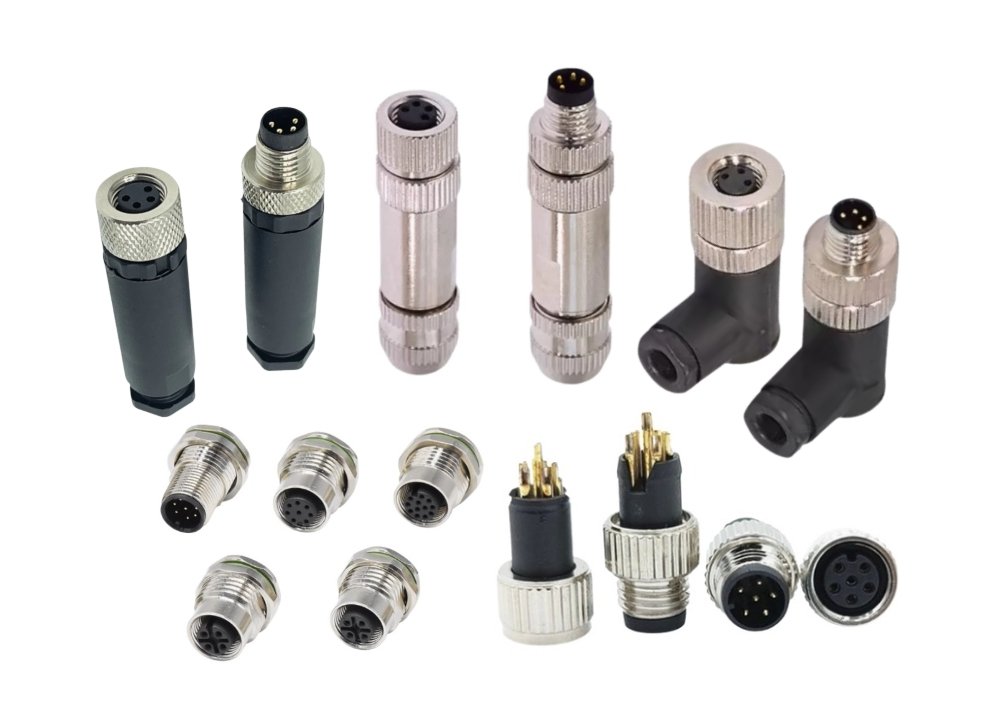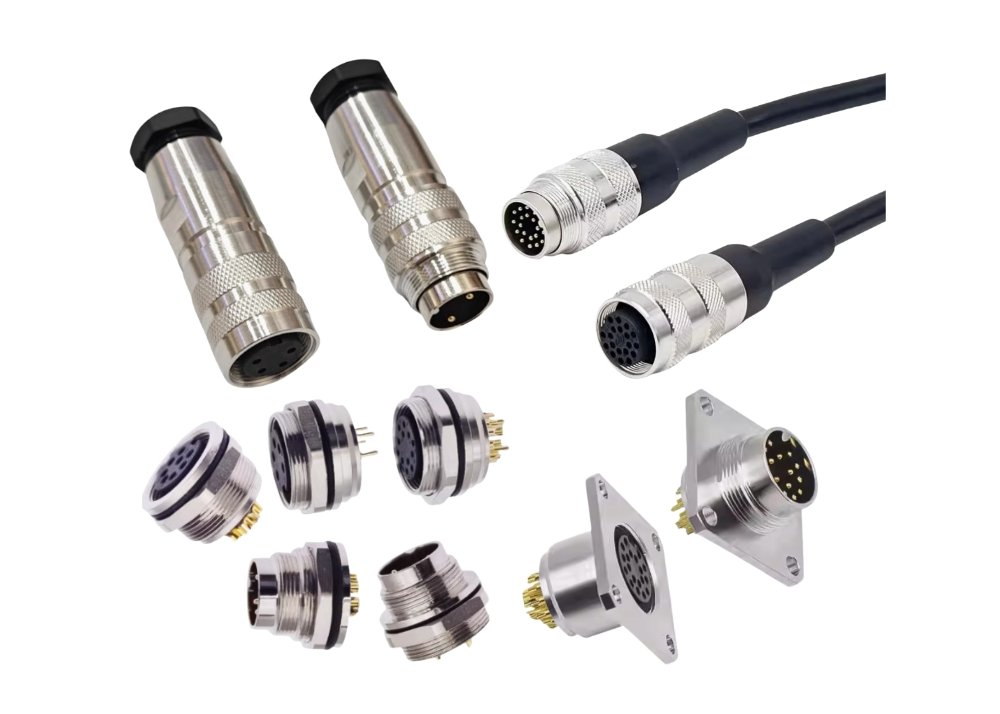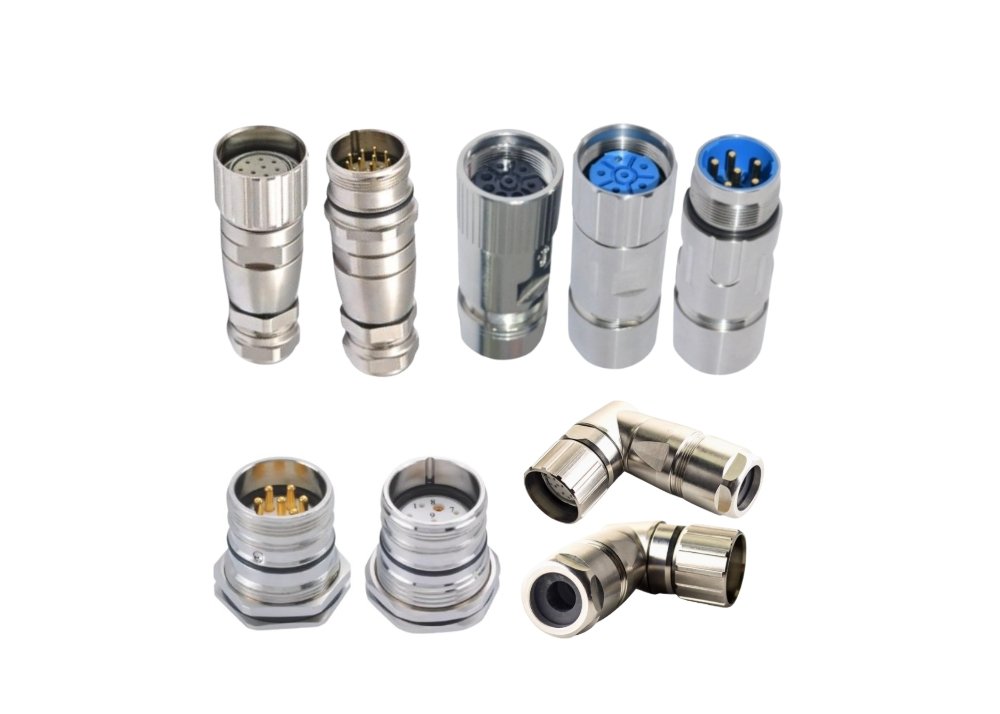
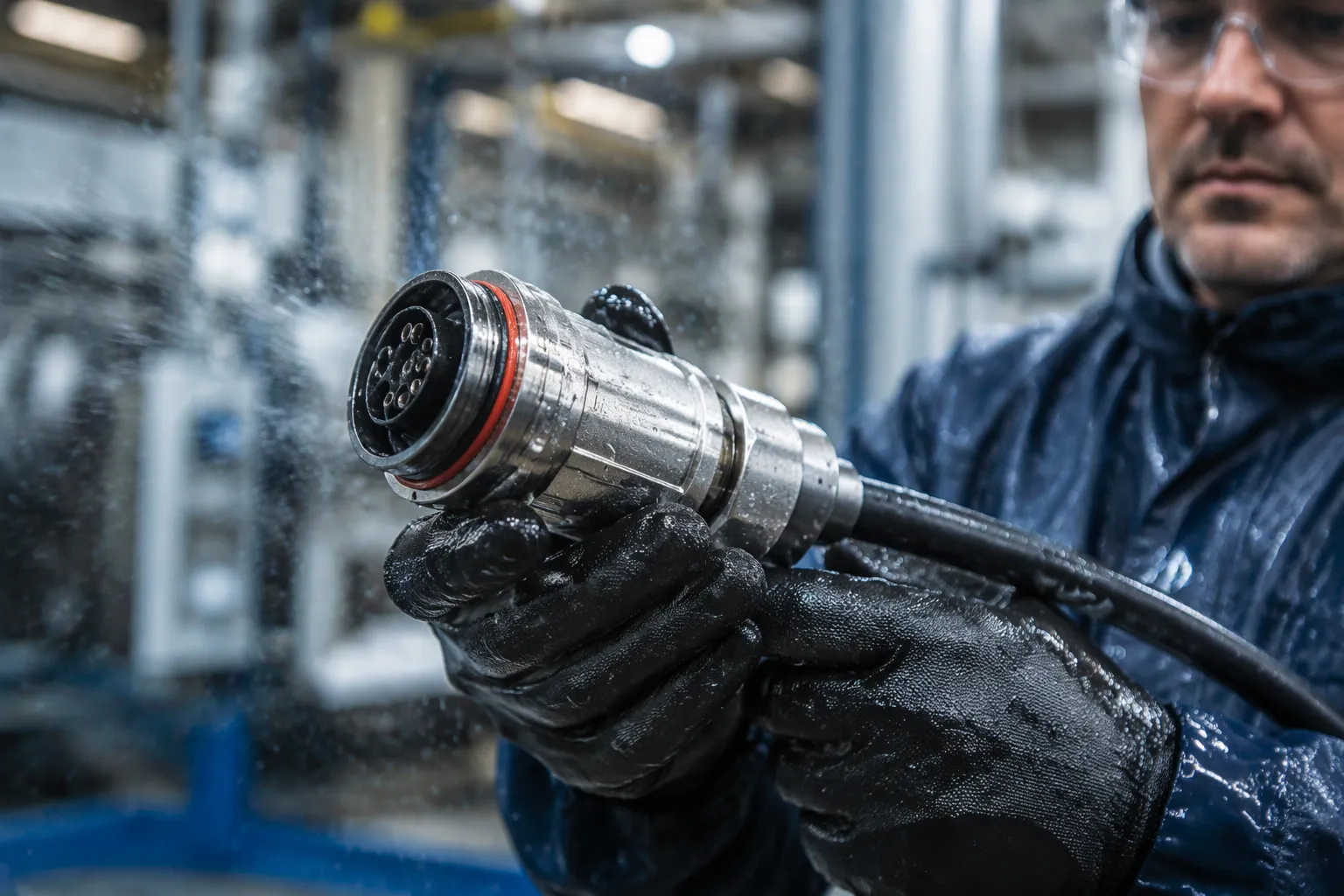
IP69 connectors maintain reliable electrical connections in harsh environments where high-pressure and high-temperature cleaning methods and dust pose constant threats. This reliability prevents costly downtime and safety hazards in industries with strict hygiene and operational standards. IP69 is not a minor upgrade. It is a specific rating for a distinct set of environmental challenges. A connector factory tests each IP69K design against these conditions. Even a compact M8 connector or a Type B connector must pass the same rigorous verification.
What Are IP69 Connectors?
IP69 connectors are electrical connectors that carry a specific ingress protection rating. This rating verifies their ability to withstand dust and high-pressure, high-temperature water jets. Engineers specify these connectors for equipment that undergoes rigorous cleaning protocols. The rating itself comes from an international standard. Understanding this standard helps engineers select the right connector for their application.
Defining the IP Rating System
The IP rating system provides a standardized way to describe a product’s resistance to environmental intrusion. The International Electrotechnical Commission (IEC) maintains this system. Manufacturers and testing laboratories around the world reference the same code. This consistency allows engineers to compare products from different suppliers with confidence.
The Two-Digit Ingress Protection Code
An IP rating consists of the letters “IP” followed by two digits. Each digit carries a distinct meaning. The first digit addresses solids. The second digit addresses liquids. A higher number in either position indicates greater protection. The table below summarizes the protection levels relevant to connector selection.
| Digit Position | Level | Protection Provided |
|---|---|---|
| First (Solids) | 5 | Dust protected |
| First (Solids) | 6 | Dust-tight |
| Second (Liquids) | 7 | Temporary immersion |
| Second (Liquids) | 8 | Continuous immersion |
| Second (Liquids) | 9 | High-pressure, high-temperature water jets |
Some ratings include a suffix letter, such as “K” in IP69K. This suffix indicates that the product meets specific test conditions defined in ISO 20653 for road vehicles. The K designation confirms testing with a rotating nozzle at defined pressure and temperature. Many industrial connectors carry the IP69K designation.
First Digit: Solids Protection
The first digit of the IP code describes protection against solid objects. This includes tools, wires, and dust particles. A rating of 5 means the enclosure is dust protected. Small amounts of dust may enter, but they cannot interfere with operation. A rating of 6 means the enclosure is dust-tight. No dust enters under the specified test conditions. For demanding environments, level 6 represents the highest level of ingress protection against solids.
Second Digit: Liquids Protection
The second digit describes protection against the ingress of liquids. This digit covers a range from dripping water to high-pressure jets. Levels 7 and 8 address immersion. Level 9 addresses high-pressure, high-temperature water jets. Each level has defined test parameters for pressure, temperature, duration, and distance. Engineers must match the liquid protection level to the actual cleaning method used in their facility.
The Specific Meaning of IP69
An IP69 rating combines the highest solid protection level with the most demanding liquid protection level. This combination suits environments where both dust and aggressive cleaning are present. Food processing plants, pharmaceutical facilities, and heavy industrial sites often present these conditions.
Dust-Tight (Level 6)
The first digit of 6 confirms dust-tight construction. The connector housing and seal design prevent dust particles from entering the enclosure. This protection matters in facilities that handle powders, grains, or other particulate materials. Dust accumulation on electrical contacts can cause resistance changes, arcing, or complete failure. A dust-tight connector eliminates this risk. The seal remains effective even after repeated cleaning cycles.
High-Pressure, High-Temperature Water Jet Protection (Level 9)
The second digit of 9 confirms protection against direct jets of water at high pressure and temperature. The test conditions for level 9 are severe. Water strikes the connector at pressures up to 100 bar and temperatures up to 80°C. The jet originates from a nozzle held at a defined distance. The connector must show no evidence of water ingress after the test. This level of high-pressure water resistance exceeds the requirements of simple immersion testing. It reflects the actual conditions found in washdown and sterilization processes.
How IP69 Differs from Standard Waterproof Ratings
Many engineers equate “waterproof” with IP67 or IP68. These ratings address immersion, not jet spray. The distinction matters for applications that involve active cleaning rather than accidental flooding.
Beyond Simple Immersion
IP67 and IP68 ratings test a connector by submerging it in water. The water sits static around the connector. Pressure comes from depth alone. IP69 tests a connector with a directed, high-velocity jet. The jet applies concentrated force to seals, mating interfaces, and cable entries. A connector that passes immersion testing may still fail under jet spray. The dynamic pressure of a jet can force water past seals that hold up under static conditions. This difference explains why IP69 rated connectors undergo a distinct and more aggressive test protocol.
The Role of Pressure and Temperature
Pressure and temperature amplify the challenge of liquid protection. High pressure increases the force that drives water into small gaps. High temperature softens seal materials and reduces their elasticity. The combination of high pressure and temperature creates conditions that standard waterproof ratings do not address. IP69 testing applies both stressors at once. A connector that survives this combined test demonstrates a superior seal design and material selection. Engineers can trust such a connector to maintain protection against liquid ingress throughout its service life in washdown environments.
The Rigorous Testing Behind IP69K-Rated Connectors
A rating on a datasheet means little without proof. Manufacturers of ip69k-rated connectors submit their products to defined test protocols. These protocols simulate the harshest cleaning conditions a facility can produce. Independent laboratories then confirm the results.
Key Standards and Protocols
ISO 20653 and IEC 60529
Two standards govern the verification process. IEC 60529 defines the general IP code and the test methods for each protection level. ISO 20653 adapts these methods for road vehicles and adds the K suffix. The K suffix specifies a rotating nozzle and precise jet parameters. A connector labeled ip69k meets the stricter ISO 20653 conditions. Engineers should confirm which standard a supplier cites before they compare products.
The Role of Independent Testing Laboratories
Reputable manufacturers send samples to accredited third-party laboratories. These laboratories hold no stake in the sale of the product. They issue test reports that document every parameter and observation. An independent report gives engineers objective evidence. It also protects the manufacturer from claims of self-certification.
Critical Test Parameters
The test setup defines the outcome as much as the connector design does. The table below summarizes the core parameters for ip69k testing.
| Parameter | Typical Test Condition |
|---|---|
| Water pressure | 80–100 bar |
| Flow rate | 14–16 liters per minute |
| Water temperature | Up to 80°C |
| Duration | At least 30 seconds per position |
| Jet distance | 100–150 mm from the enclosure |
Water Pressure and Flow Rate
The jet must deliver enough force to challenge every seal. Pressure near 100 bar drives water into microscopic gaps. The flow rate ensures the jet stays concentrated on the target surface. Together, these values reproduce the output of industrial washdown equipment.
Water Temperature
The water reaches high temperatures during the test. Heat softens elastomer seals and reduces their restoring force. A seal that holds at room temperature may leak under this thermal load. The test therefore evaluates material performance, not just mechanical fit.
Duration and Distance of the Jet
The nozzle stays close to the connector and holds each position for a defined period. Short bursts would miss slow seepage. The fixed distance removes variability between test runs. Every laboratory applies the same geometry, so results remain comparable across suppliers.
What a Connector Must Endure to Pass
The Rotating Nozzle Test
The nozzle rotates around the mounted connector and sweeps every surface. It covers the mating interface, the cable entry, and the housing seams. The connector sits on a fixture that exposes all sides to the stream. No orientation escapes inspection. This step makes ip69k testing more demanding than a single directed spray.
Verification of No Ingress
After the jet stops, technicians open the connector and inspect the interior. They look for water droplets, mist, and moisture trails. Any trace of liquid constitutes a failure. Passing connectors proceed to insulation resistance checks and functional tests. Successful ip69k connectors carry a verified seal, not a claimed one. This disciplined connector testing gives engineers confidence in long-term performance.
Key Benefits of IP69K Rated Electrical Connectors
Preventing Ingress-Related Failures
Avoiding Short Circuits and Corrosion
Water and dust create direct paths for electrical failure. Moisture bridges contact gaps and produces short circuits. Dust combines with moisture to form conductive films on metal surfaces. IP69K rated electrical connectors block both threats at the housing and seal interface. Their sealed construction keeps water/dust ingress away from current-carrying parts. Stainless steel housings and plated contacts further resist corrosion from cleaning chemicals. These design choices extend connector life in wet, chemical-heavy facilities.
Protecting Sensitive Signal and Power Lines
Modern equipment carries low-voltage signals alongside high voltage power lines. A small amount of moisture can corrupt a sensor signal or trip a protective relay. IP69K connectors preserve signal integrity by keeping the interior dry and clean. The same protection safeguards power circuits against leakage currents. Engineers can route these durable, sealed connections through washdown zones without adding secondary enclosures.
Increasing Operational Uptime
Reducing Maintenance and Replacement Costs
Every failed connector demands labor, parts, and lost production time. Moisture damage often appears as intermittent faults, which technicians struggle to trace. IP69K connectors remove this failure mode from the maintenance schedule. Facilities report fewer unplanned stoppages and lower spare-part consumption. The initial cost premium pays back through reduced repair hours and longer service intervals.
Withstanding Frequent Washdowns
Food plants and pharmaceutical suites clean equipment on fixed schedules, sometimes several times per shift. Each washdown exposes connectors to hot, pressurized water. Standard connectors degrade after repeated exposure. IP69K connectors hold their seal performance across thousands of cleaning cycles. Equipment stays available for production instead of sitting idle for electrical repairs.
Ensuring Safety and Compliance
Meeting Hygiene Standards in Sensitive Industries
Regulators in food and medical manufacturing require cleanable equipment surfaces. Connector interfaces that trap moisture or debris create bacterial growth sites. IP69K connectors feature smooth housings and sealed mating faces. These features support sanitation audits and help facilities pass inspections. Compliance teams gain documented evidence of ingress protection from independent test reports.
Reducing Electrical Hazards in Wet Environments
Water near live circuits creates shock and arc-flash risks. IP69K connectors isolate conductors from the surrounding environment. Workers can operate equipment in wet conditions with lower exposure to electrical hazards. Maintenance staff can perform washdown tasks without de-energizing every circuit. This protection supports safer daily operations across the plant floor.
Demanding Applications for IP69-Rated Circular Connectors
Food and Beverage Processing
High-Pressure Washdown Areas
Food and beverage plants clean equipment with aggressive washdown routines. Workers direct jets of high-pressure hot water at conveyors, mixers, and packaging lines. These streams strip away food residue and grease. Standard connectors fail under this treatment. IP69-rated circular connectors seal every entry point against the jet. Their housings withstand the force and heat of the spray. Equipment stays powered and protected through every cleaning shift.
Avoiding Bacterial Growth in Connector Interfaces
Bacteria thrive in moisture trapped at mating surfaces. A connector with a rough housing or an open gap creates a perfect growth site. Sanitation teams cannot clean these hidden pockets. IP69K-rated connectors feature smooth surfaces and tight seals. Their design supports protection during sanitation and cleaning. Food safety auditors examine these details during inspections. A sealed interface removes a contamination risk from the production line.
Pharmaceutical and Medical Manufacturing
Clean-in-Place (CIP) and Sterilization Processes
Pharmaceutical production relies on clean-in-place systems. These systems flush equipment with hot water, steam, and chemical agents. The process runs without disassembly. Connectors must survive repeated cycles of this treatment. IP69K connectors handle the pressure and temperature of CIP routines. Their seals resist the chemicals used in sterilization. Production lines continue to run with minimal electrical interruptions.
Maintaining Sterile Environments
Sterile manufacturing demands equipment that does not harbor contaminants. Connector surfaces must withstand frequent sanitization. IP69 rated connectors offer a sealed barrier against moisture and microbes. Their smooth exteriors leave no crevices for residue. Cleanroom operators gain a reliable connection point that supports their hygiene protocols. The connectors help maintain the sterile field throughout the production process.
Wastewater and Marine Environments
Exposure to High-Pressure Cleaning and Submersion
Wastewater treatment plants combine wet conditions with periodic cleaning. Equipment sits in damp spaces and faces high-pressure cleaning processes. Marine installations add saltwater spray and wave action. IP69K connectors resist both jet spray and temporary submersion. Their sealed construction keeps water away from electrical contacts. Maintenance crews can clean equipment without shutting down every circuit.
Resistance to Corrosive Agents
Wastewater carries acids, sulfides, and other corrosive compounds. Saltwater attacks metal housings and contact plating. Standard connectors corrode quickly in these settings. IP69K-rated connectors use stainless steel housings and plated contacts. These materials slow corrosion and extend service life. The connectors maintain electrical integrity in chemically aggressive environments. Operators gain dependable performance in the harshest treatment and marine settings.
Heavy Industry and Manufacturing
Foundries, Steel Mills, and Mining Operations
Foundries, steel mills, and mining operations expose electrical systems to some of the toughest conditions on earth. Molten metal, abrasive dust, and heavy vibration surround every piece of equipment. Workers clean machinery with powerful jets of water and steam. These cleaning routines remove slag, scale, and ore residue from production lines. Standard connectors fail quickly under this combination of threats. ip69k connectors seal the electrical interface against dust and directed spray. Their robust housings survive impact, heat, and repeated cleaning. Maintenance teams spend less time replacing damaged connections. Production lines keep running through the harshest shifts.
Mining operations add another layer of difficulty. Equipment moves between dusty crushers and wet processing areas. Conveyor systems, drills, and loaders all carry electrical connections into these zones. Moisture mixed with fine rock dust forms a conductive paste. This paste bridges contacts and triggers faults. ip69 rated connectors block this paste at the seal. Their dust-tight construction keeps abrasive particles away from current-carrying parts. Operators gain dependable performance across the entire site.
Equipment Exposed to Steam and Debris
Steam cleaning is common in heavy manufacturing. Pressurized steam strips grease and debris from machines between production runs. The steam carries intense heat and penetrates small openings. Debris from castings, forgings, and machined parts adds to the challenge. Metal chips and grinding dust settle on connector surfaces. A single cleaning cycle combines heat, moisture, and particulate matter. ip69k connectors withstand this combined assault. Their seal materials hold their elasticity at elevated temperatures. Smooth housings shed debris instead of trapping it.
Engineers specify ip69-rated circular connectors for equipment near blast furnaces and rolling mills. These connectors resist high-pressure water and steam jets without additional shielding. The sealed design protects signal lines that control automated machinery. Power circuits also stay isolated from moisture and metal dust. Facility managers report fewer electrical faults after switching to these connectors. The connectors support safer operations in areas where heat and debris never stop. Heavy industry demands components that survive constant punishment. IP69K protection delivers that survival capability.
IP69 vs. IP67 and IP68: Choosing the Right Rating
Engineers face a common decision when they specify connectors for wet or dusty environments. Three ratings dominate the conversation: IP67, IP68, and IP69. Each rating addresses a different physical challenge. Each one fits a different set of operating conditions. A clear comparison helps engineers match the rating to the actual demands of the application.
| Rating | Liquid Test Method | Typical Environment | Key Limitation |
|---|---|---|---|
| IP67 | Temporary immersion (1 m for 30 minutes) | Intermittent splashing, occasional flooding | No protection against directed jets |
| IP68 | Continuous immersion (depth and duration by agreement) | Submersible equipment, tanks, sumps | Static water only; no jet force |
| IP69 | High-pressure, high-temperature jets (80–100 bar, up to 80°C) | Washdown, CIP, sterilization | Does not imply continuous submersion |
IP67: Temporary Immersion Protection
IP67 pairs dust-tight construction with protection against temporary immersion. The standard test submerges the connector in water at a depth of one meter for thirty minutes. The connector must show no harmful ingress afterward. This rating suits equipment that occasionally meets standing water or a spilled liquid. It does not test the connector against a directed stream.
Best Fit for Intermittent Exposure
IP67 connectors perform well in outdoor enclosures, transportation equipment, and light industrial settings. A loading dock sensor or an outdoor control box may see rain and puddles without facing a pressure washer. IP67 handles these conditions at a lower cost than higher ratings. Engineers should recognize the boundary, however. A maintenance crew that cleans equipment with a hose can exceed the IP67 test conditions. The jet force can push water past seals that hold up fine under static immersion.
IP68: Continuous Immersion Protection
IP68 extends liquid protection to continuous submersion. The manufacturer and the testing body agree on the depth and duration, which often reach several meters and long time spans. This rating serves equipment that operates underwater or sits permanently below a liquid line. Examples include sump pumps, tank sensors, and marine instrumentation.
Best Fit for Submersible Applications
IP68 connectors shine in applications where water surrounds the connector without striking it. The static pressure of depth defines the challenge. A submerged connector faces steady, uniform force. It does not face the concentrated impact of a nozzle. Engineers who specify IP68 for a washdown zone make a common mistake. A connector rated for ten meters of depth may still leak under a 100-bar jet. Depth rating and jet rating measure different forces.
IP69: High-Pressure, High-Temperature Jet Protection
IP69 targets the cleaning process itself. The test directs jets of hot, high-pressure water at the connector from close range. The nozzle sweeps every surface, including the mating interface and cable entry. A connector must survive this treatment without a single drop of ingress. This rating reflects the real conditions inside food plants, pharmaceutical suites, and heavy industrial washdown bays.
Best Fit for Washdown and Sterilization
IP69 connectors serve equipment that undergoes scheduled, aggressive cleaning. A food conveyor that faces hot-water jets every shift needs this level of protection. A pharmaceutical mixer that runs clean-in-place cycles needs it as well. The rating also fits sterilization tunnels and steam-cleaning stations in heavy manufacturing. Engineers choose IP69 when the cleaning protocol, not accidental water contact, defines the risk. Facilities with strict hygiene standards often treat this rating as a baseline requirement. Many ip69k connectors also carry an IP68 rating, which gives equipment protection against both jets and flooding. That combination covers the full range of wet conditions in a single part.
When IP69 Is the Best Fit
IP69 fits a specific operating profile. The cleaning method defines that profile, not the presence of water alone. Engineers who recognize this distinction select the right connector for the job. They avoid both under-specifying and over-specifying the protection level.
Prioritizing Cleaning Protocol Over Submersion
Many facilities clean equipment on a fixed schedule. Workers direct hot, high-pressure jets at every surface. The connector rarely sits underwater for long periods. The jet spray poses the real threat in this setting. IP69 addresses that threat directly. Its test protocol reproduces the pressure, temperature, and nozzle distance of industrial washdown equipment.
A connector rated for immersion may fail under this treatment. Static water pressure differs from the concentrated force of a jet. The jet drives water into seams and mating interfaces. Seals that hold under a meter of standing water can leak under a 100-bar stream. Engineers who prioritize the cleaning protocol choose IP69 for this reason. The rating matches the actual stress the connector will face each shift.
Food processing lines illustrate this priority well. Conveyors, mixers, and fillers face hot-water washdowns several times per day. The equipment seldom sits submerged. The cleaning crew attacks residue with directed spray. An IP69 connector survives this routine without added enclosures or shielding. The same logic applies to pharmaceutical clean-in-place systems. Hot water and chemical agents flow through the equipment under pressure. The connector must resist that flow at every seal.
Sterilization tunnels and steam-cleaning stations follow the same pattern. Heat and pressure define the challenge. Standing water does not. Engineers evaluate the cleaning chemicals, the jet pressure, and the cycle frequency. These factors point to IP69 as the correct specification. A lower rating may save cost on paper. It often costs more through repeated failures and downtime.
Combining IP69 with IP68 for Total Protection
Some applications present both threats. Equipment faces high-pressure washdown and occasional flooding. A wastewater plant may clean its pumps with jets and then sit them in wet sumps. A marine installation may endure deck washdowns and wave submersion. A food plant may hose down a line and then flood the floor during sanitation. These mixed conditions demand protection against jets and immersion alike.
Many ip69k connectors also carry an IP68 rating. This dual rating covers the full range of wet conditions. The connector survives directed jets at high pressure and temperature. It also survives continuous submersion at rated depth. Engineers gain one part that handles both scenarios. They avoid stocking two connector types or adding secondary housings.
The combination supports total protection across a facility. A single connector family can serve washdown zones and submerged equipment. Maintenance teams simplify their spare-parts inventory. Installation crews apply the same mating procedure everywhere. Design engineers reduce the risk of specifying the wrong rating for a given location.
Dual-rated connectors also support future changes in cleaning protocol. A facility may add a new washdown routine or install equipment in a wetter area. A connector rated for both jets and immersion absorbs that change without redesign. The specification stays valid as operating conditions evolve. This flexibility lowers long-term engineering effort and replacement cost.
Engineers should verify both ratings on the datasheet. A claim of IP69 alone does not confirm immersion protection. A claim of IP68 alone does not confirm jet protection. The dual rating appears as a combined specification, such as IP69K/IP68. Independent test reports should document each rating separately. This evidence lets engineers specify with confidence.
The decision between IP69 alone and a dual rating depends on the application. Facilities with washdown-only conditions can specify IP69. Sites with flooding risk or submerged equipment should require the combined rating. Either choice reflects a deliberate reading of the operating environment. That reading protects equipment, workers, and production schedules over the life of the installation.
Selecting Connectors for Harsh Environments
Engineers face a crowded market when they specify connectors for harsh environments. A disciplined selection process narrows the field quickly. The process starts with the application itself, then moves to the connector’s physical design, and ends with a careful reading of the rating.
Assessing Your Application Requirements
Cleaning Chemicals and Frequency
The cleaning routine defines the first requirement. Engineers should list every chemical agent that touches the equipment. Caustic detergents, acidic sanitizers, and chlorine solutions attack different materials. The cleaning frequency matters as much as the chemistry. A connector that meets one washdown per day may degrade under six. Seal compounds and housing metals must match the full chemical exposure profile.
Temperature and Pressure Extremes
Extreme temperatures and pressures test seal performance. Steam cleaning pushes temperatures well above the boiling point of water. Washdown jets apply concentrated force at close range. Engineers should record the peak values for both stressors, not the average. A connector must hold its seal at the worst moment of the cleaning cycle.
Key Connector Features to Evaluate
Housing Material and Seal Design
The housing material determines corrosion resistance and impact strength. Stainless steel suits chemical-heavy washdown zones. Thermoplastic housings offer lighter weight and good chemical resistance. The seal design deserves equal attention. Molded interfaces and dual-lip gaskets block water better than simple O-rings. Engineers should confirm that the seal material matches the cleaning chemicals.
Mating Cycles and Locking Mechanisms
Frequent washdowns often come with frequent disconnections. Each mating cycle wears the seal and the contacts. A connector rated for many cycles maintains its protection over time. The locking mechanism must also resist vibration and accidental release. Threaded couplings and bayonet locks serve different maintenance workflows.
Matching Connector Ratings to the Environment
Understanding the Complete IP Rating
Engineers should read both digits of the IP code, not just the second one. A rating of IP69K confirms dust-tight construction and jet protection. The suffix letter confirms the specific test protocol. A supplier that cites only “IP69” may reference a different standard. The complete rating, including the K suffix, gives the clearest picture.
Considering Additional Certifications
Other certifications add confidence beyond ingress protection. Approvals from safety agencies confirm electrical performance. Hygiene certifications matter in food and medical facilities. Engineers should collect independent test reports for every claim. These documents turn a datasheet promise into verified evidence.
IP69K-rated connectors meet the toughest cleaning demands. Engineers who follow this selection process choose connectors for harsh environments with confidence. The right ip69k connectors protect equipment through years of washdowns. Facilities that specify ip69k hardware reduce failures in harsh environment applications. These connectors for harsh environments handle extreme temperatures and pressure with ease. A verified ip69k rating gives engineers a dependable baseline for any demanding project.
IP69 connectors deliver a verified level of protection against the most aggressive cleaning and environmental conditions. Selecting an IP69 connector is a strategic decision. It ensures long-term reliability, safety, and operational efficiency in demanding applications. Engineers who understand the specific testing protocols and compare IP69 with other ratings make an informed choice for their project. This knowledge helps them specify connectors for harsh environments with confidence. The right connector keeps equipment running in harsh environments for years.
FAQ
What does the IP69 rating actually certify?
The IP69 rating certifies two things. The first digit of 6 confirms dust-tight construction. The second digit of 9 confirms protection against high-pressure, high-temperature water jets. An accredited laboratory verifies both properties through defined test protocols. The rating reflects measured performance, not a manufacturer’s claim.
How does IP69K differ from IP69?
The K suffix references ISO 20653, a standard written for road vehicles. IP69K testing uses a rotating nozzle at defined pressure, temperature, and distance. A plain IP69 label may follow a different test method. Engineers should confirm the exact standard behind any rating before they compare products.
Can an IP69 connector replace an IP68 connector?
Not automatically. IP69 addresses directed jets. IP68 addresses continuous submersion. A jet-rated connector may not survive long-term flooding. Many IP69K connectors also carry an IP68 rating. Engineers should check the datasheet for both ratings when the application includes submerged operation.
Which industries benefit most from IP69 connectors?
Food and beverage plants, pharmaceutical facilities, and heavy manufacturing sites gain the most. These facilities run scheduled washdowns with hot, pressurized water. Wastewater and marine installations also benefit when equipment faces high-pressure cleaning. The rating matches any process where aggressive cleaning defines the risk.
What test conditions must a connector survive to earn the IP69K rating?
The test applies water at 80 to 100 bar and up to 80°C. The jet delivers 14 to 16 liters per minute from a distance of 100 to 150 mm. A rotating nozzle sweeps every surface for at least 30 seconds per position. Technicians then open the connector and check for any moisture.
Do IP69 connectors cost more than standard connectors?
IP69 connectors typically carry a higher purchase price. The seal design, housing materials, and testing add cost. This premium pays back through fewer failures, lower maintenance hours, and less unplanned downtime. Engineers should weigh the initial price against the total cost of ownership.
How do engineers verify an IP69K claim?
Engineers should request independent test reports from an accredited laboratory. The report should document pressure, temperature, flow rate, duration, and jet distance. It should also confirm the standard used, such as ISO 20653. A datasheet label alone provides weaker evidence than a third-party report.
What features matter most when selecting an IP69 connector?
Housing material and seal design top the list. Stainless steel suits chemical-heavy washdown zones. Molded interfaces and dual-lip gaskets block water better than simple O-rings. Engineers should also check the mating cycle rating and the locking mechanism. These features determine long-term performance under frequent cleaning.