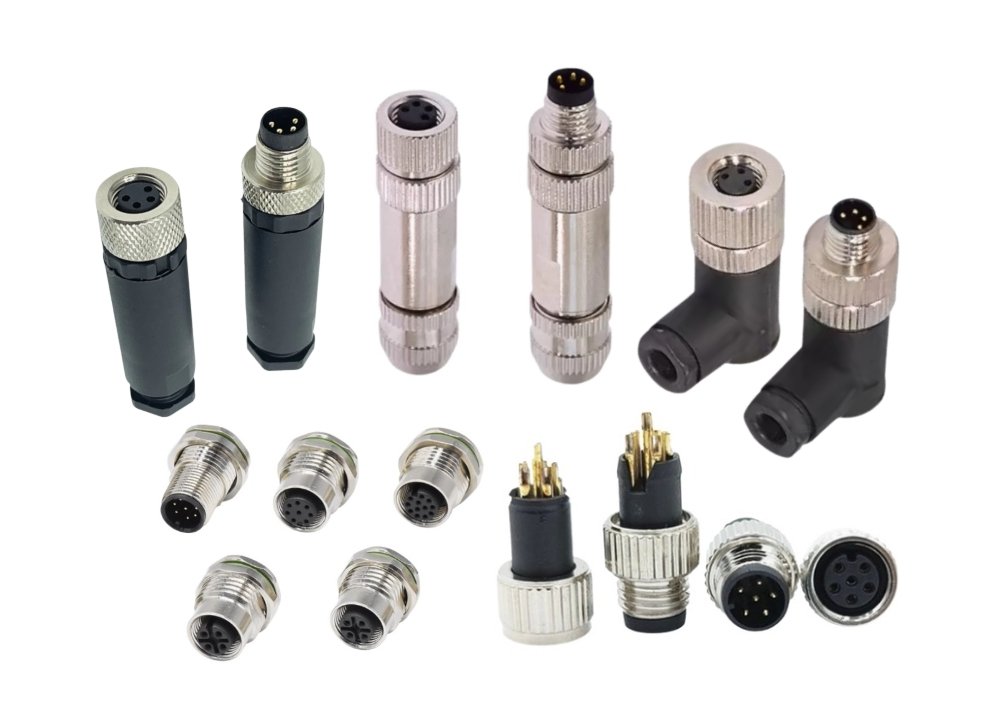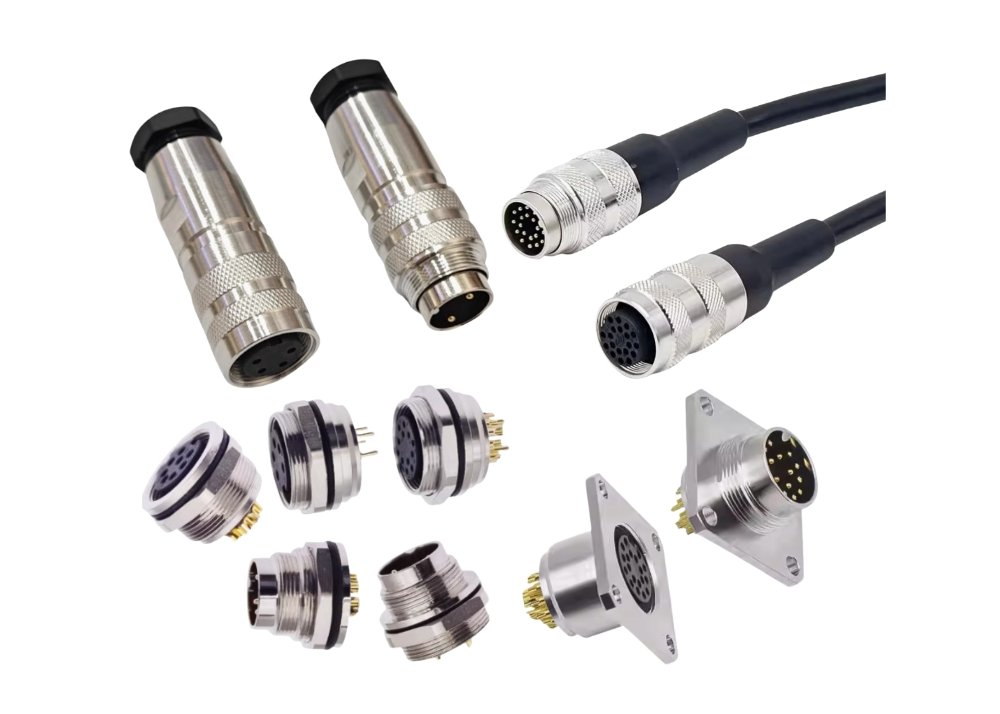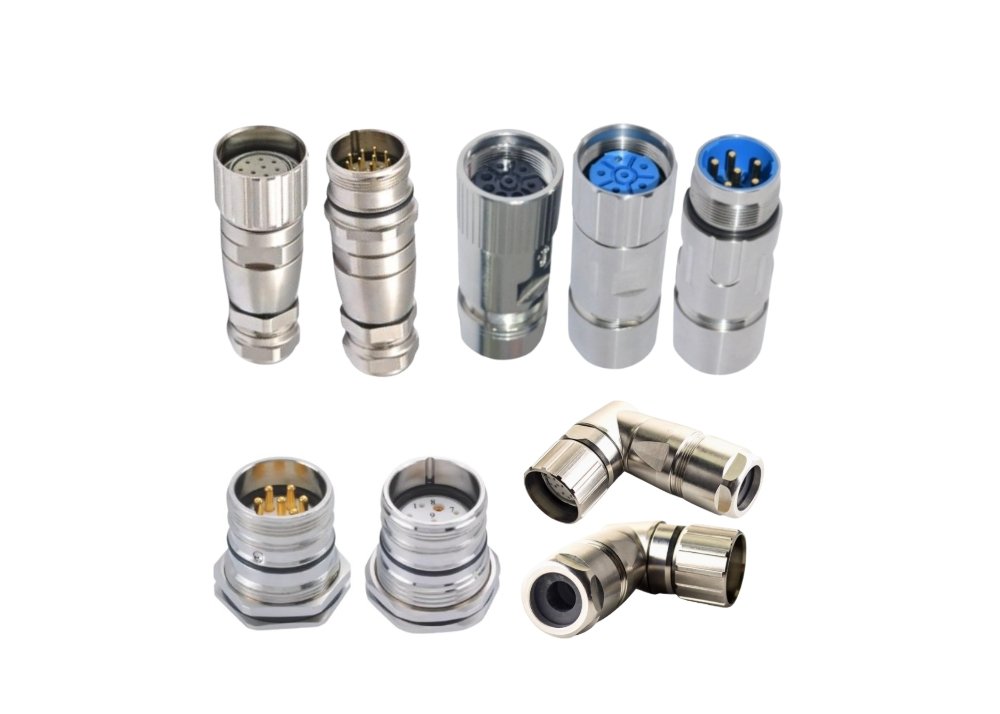
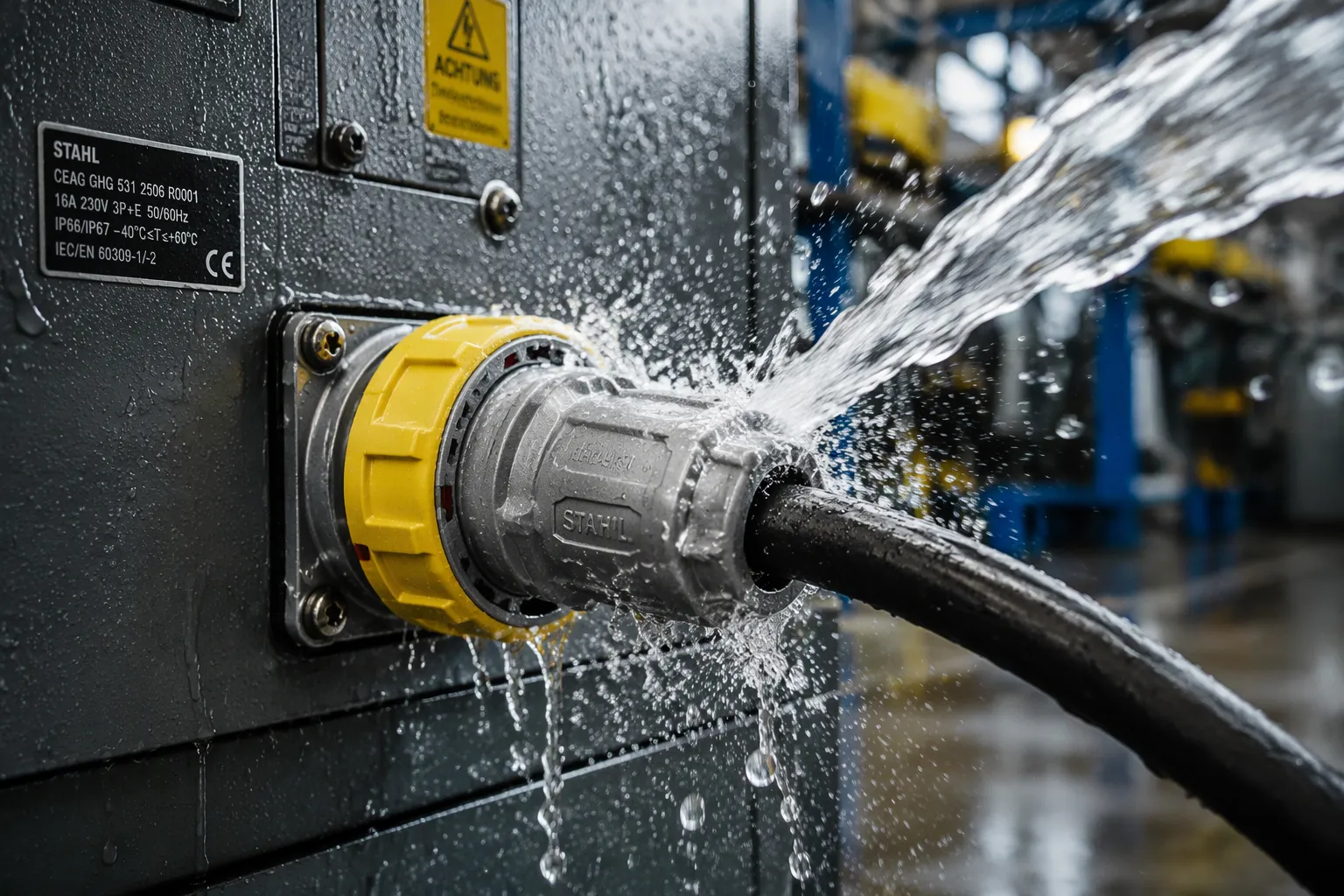
An IP66 rating on electrical connectors means complete dust-tight protection and powerful water jet protection from any direction. Both protections apply to the entire assembly: housing, seals, and mating interface. IEC 60529 defines and verifies ip 66, so the claim is testable, not a marketing label. A Connector factory specifies ip66 connectors where dust ingress and powerful water jets would otherwise cause contact failures, arcing, or corrosion. These ingress protection ratings guide selection, whether for an M8 connector or a Type B connector, and IP66 Ratings confirm robust performance.
Decoding IP66 Ratings for Connectors
The IP code follows a fixed structure. Two digits follow the letters “IP.” Each digit carries a separate meaning. The first digit addresses solids. The second digit addresses liquids. Readers who understand this structure can compare connectors with confidence.
What the Two Digits Represent
The letters “IP” stand for ingress protection. The number 66 splits into two independent ratings. A manufacturer tests each digit separately. A connector earns the full ip66 mark only when it passes both tests.
First Digit: Protection Against Solids
The first digit ranges from 0 to 6. A rating of 6 represents the highest level of protection against solids. The digit measures the intrusion of foreign objects, including dust and fine powder. A first digit of 6 means complete dust-tightness. No dust particle enters the housing under the specified test conditions.
Second Digit: Protection Against Liquids
The second digit ranges from 0 to 8. A rating of 6 covers powerful water jets. The digit measures resistance to liquid intrusion at defined pressure and flow. A second digit of 6 means water jets from any direction cause no harmful ingress. The test applies jets at 12.5 mm nozzle diameter, 100 kPa pressure, and 100 liters per minute for at least three minutes.
The table below summarizes the two digits for an ip 66 connector.
| Digit | Position | Level 6 Meaning |
|---|---|---|
| 6 | First digit | Complete dust-tightness; no dust ingress |
| 6 | Second digit | Protection against powerful water jets from any direction |
Why the Combination Matters
A single digit tells only half the story. Dust and water rarely act alone in real installations. The combination of both digits defines the practical value of ip66 ratings. Engineers compare connectors across many projects. The ip (ingress protection) rating gives them a common language.
Dust and Water Acting Together
Dust settles on a connector. Water then washes over the same surface. The mixture of dust and water forms a conductive paste. This paste bridges contacts and accelerates corrosion. A connector with protection against solids and liquids resists this combined attack. The two protections reinforce each other. Dust-tightness keeps the water path clear. Jet protection keeps the dust dry. Together they preserve the integrity of the assembly. Dusty plants and wet washdown lines both rely on connectors with verified seals.
What IP66 Does Not Cover
An IP66 rating covers dust-tightness and powerful water jets. It does not cover immersion, long-term submersion, or steam cleaning at extreme pressure.
The rating also excludes aging effects and temperature cycling. A connector may pass ingress protection (ip code) testing in new condition. Independent labs perform ingress protection (ip code) testing on sample units. Field wear can degrade seals over time. Buyers often confuse ip66 ratings with immersion ratings. Specifiers should treat ip ratings as a baseline, not a guarantee for every service condition. Sealed connectors still need correct installation. The ingress protection standard defines every test condition. Specifiers review ip ratings for every joint in a system. Harsh sites demand connectors that survive both threats. Maintenance teams replace failed connectors less often. Procurement teams compare connectors on equal terms. Design reviews list connectors alongside other protected components.
The First Digit 6: Complete Dust-Tightness
What Dust-Tight Means for a Connector
The first digit of 6 sets the highest solid-particle level in the IP code. A rating of 6 delivers dust-tight protection across the whole connector assembly. Engineers treat this level as complete protection against dust ingress under the defined test conditions.
No Ingress of Dust Particles
A first digit of 6 permits no intrusion of dust particles into the housing. Testers expose the connector to a dust-filled chamber for up to eight hours. The connector passes only when no dust reaches the interior. This result confirms dust-tight protection for the contacts and terminals inside.
Protection Against Fine Powders
Fine powders behave differently from coarse debris. Talc and cement dust pass through small gaps with ease. A digit of 6 blocks this fine material as well. The rating therefore covers complete protection against dust ingress for the most demanding powder environments.
Why Dust Causes Connector Failures
Dust harms connectors in two main ways. Each mechanism shortens service life and raises maintenance costs.
Contact Contamination and Resistance
Dust settles on contact surfaces. The layer adds resistance to the electrical path. Resistance rises, signals weaken, and heat builds at the joint. Dust-tight protection stops this chain at the source.
Arcing and Insulation Risks
Conductive dust bridges the gap between pins. A bridge can trigger arcing and damage the housing. Dust also coats insulating surfaces and lowers their dielectric strength. Ingress protection (ip code) testing verifies that a design resists this intrusion before it reaches the field.
Design Features That Achieve Dust-Tightness
Manufacturers combine several features to reach digit 6. Each feature closes a different path for particles.
Seals, Gaskets, and Mating Interfaces
Elastomer gaskets seal the housing joints. O-rings guard the mating interface. Sealed connectors hold these elements under steady compression. Ingress protection (ip code) testing confirms that the seals block particle intrusion at every joint.
Housing and Cable Entry Design
The housing material and cable entry shape complete the barrier. Molded bodies remove seams that trap dust. Cable glands grip the jacket and close the entry point. Designers review ip ratings for each entry path. These choices deliver dust-tight protection that lasts through repeated mating cycles. Buyers who compare ip66 connectors should check every seal and entry point, because the first digit applies to the full assembly.
The Second Digit 6: Powerful Water Jet Protection

What a Powerful Water Jet Means
The second digit of 6 defines the highest practical liquid protection level below immersion. A rating of 6 delivers powerful water jet protection across the full connector assembly. Engineers treat this level as robust defense against directed washdown.
High-Pressure, High-Volume Spray
The test applies a high-pressure, high-volume spray to the connector. Water leaves the nozzle at 100 kPa and flows at 100 liters per minute. The nozzle diameter measures 12.5 mm. This spray strikes the housing with force that mimics industrial cleaning equipment. A connector with powerful water jet protection keeps water out under these conditions.
Jets Directed from Any Angle
Testers aim the jet from every direction. The nozzle sweeps around the connector at various angles. Water strikes the mating interface, the cable entry, and the housing seams. Powerful water jet protection means no harmful intrusion occurs regardless of jet orientation. This all-angle coverage separates digit 6 from lower liquid ratings.
How Jet Protection Differs from Splash Protection
Lower second digits cover only light water contact. Digit 4 handles splashing water. Digit 5 covers low-pressure jets. Digit 6 raises the bar to powerful water jet resistance under high flow. The difference matters for connectors exposed to routine washdown.
Comparison with Lower Second Digits
| Second Digit | Water Condition | Typical Use |
|---|---|---|
| 4 | Splashing water | Sheltered indoor areas |
| 5 | Low-pressure jets | Light washdown |
| 6 | Powerful water jets | Harsh washdown |
Why Washdown Demands Digit 6
Washdown equipment directs high-volume spray at close range. A splash-rated connector fails under this assault. Water enters the seals and reaches the contacts. Connectors with powerful water jet protection survive repeated washdown cycles. Food processing lines and hygienic plants specify this level for that reason.
Design Features That Resist Water Jets
Manufacturers combine several features to achieve powerful water jet protection. Each feature blocks a different water path.
Sealing Systems and Mating Couplings
Elastomer seals guard every joint. O-rings protect the mating interface. Threaded couplings hold the connection under compression during washdown. Ingress protection (ip code) testing confirms that these seals block water intrusion at full jet pressure. Designers review ip ratings for each sealing point.
Drainage, Orientation, and Assembly Quality
Drainage channels route water away from seals. Correct orientation lets gravity assist the barrier. Assembly quality determines whether seals sit properly. Loose couplings open paths for water intrusion. Ingress protection (ip code) testing verifies the finished assembly. Skilled assembly preserves powerful water jet resistance across the service life of these connectors.
IP 66 Ingress Protection Testing Under IEC 60529
IEC 60529 defines the test methods that verify every IP rating. A laboratory performs ip 66 ingress protection testing on sample connectors under controlled conditions. The standard specifies two separate tests: one for dust and one for water jets. A connector earns the ip66 mark only after passing both tests. These ip 66 laboratory testing procedures give buyers a verifiable basis for comparison. The test for dust-tight protection and the test for powerful water jet protection each follow strict protocols. Understanding these protocols helps engineers interpret ip66 ratings with confidence.
The Dust Test
The dust test evaluates the first digit of the IP code. Testers place connectors in a chamber filled with circulating dust. The procedure follows the ingress protection testing standards defined in IEC 60529.
Test Setup and Duration
The test chamber contains talc powder or a similar fine dust. A circulation system keeps the dust suspended in the air. Testers mount the connector in its normal operating position. The chamber maintains a defined dust concentration throughout the test. The exposure lasts up to eight hours for the first digit 6. Some test configurations use a vacuum line to draw air through the connector housing. This vacuum simulates pressure differences that occur in service. The setup stresses every seal and joint in the assembly.
Pass Criteria for First Digit 6
A connector passes the dust test when no dust enters the housing. Testers inspect the interior after the exposure period. They look for dust deposits on contacts, terminals, and insulating surfaces. The pass criteria for digit 6 allow no visible dust intrusion. This result confirms dust-tight protection for the full assembly. A single dust path through a seal or cable entry causes failure. Connectors that pass this test carry verified protection against fine powders and airborne particles.
The Water Jet Test
The water jet test evaluates the second digit of the IP code. Testers direct powerful water jets at the connector from multiple angles. The procedure verifies powerful water jet protection under defined conditions.
Nozzle, Pressure, and Flow Conditions
The test uses a specific nozzle and controlled water supply. The table below lists the key parameters for the water jet test.
| Parameter | Value |
|---|---|
| Nozzle diameter | 12.5 mm |
| Pressure | 100 kPa |
| Flow rate | 100 liters per minute |
| Duration | At least 3 minutes |
| Distance | 2.5 to 3 meters |
Testers aim the jet at the connector from every direction. The nozzle sweeps around the housing, the mating interface, and the cable entry. Water strikes each surface at close range with high volume. These conditions mimic industrial washdown equipment. The test for powerful water jet protection stresses every seal under realistic pressure.
Pass Criteria for Second Digit 6
A connector passes the water jet test when no harmful water enters the housing. Testers inspect the interior for water accumulation after the exposure. They check contacts, terminals, and insulating surfaces for moisture. The pass criteria for digit 6 allow no harmful intrusion. Minor moisture on the outer housing does not cause failure. Water that reaches live contacts or insulating surfaces does cause failure. Connectors that pass this test carry verified protection against directed washdown.
What the Tests Do Not Simulate
IEC 60529 tests define specific conditions. Real installations expose connectors to conditions beyond these tests. Engineers should understand the limits of ip66 testing before they specify connectors.
Immersion and Long-Term Submersion
The water jet test does not simulate immersion. A connector rated ip66 may fail when submerged in water.
The second digit 6 covers powerful water jets only. Immersion requires a second digit of 7 or 8. Long-term submersion demands even higher ratings. Specifiers should match the ip ratings to the actual water exposure. A washdown line needs jet protection. A flooded vault needs immersion protection. These are different requirements with different test methods.
Aging, Temperature Cycling, and Real-World Wear
The standard tests evaluate new connectors in controlled conditions. They do not simulate years of service. Temperature cycling expands and contracts seals over time. UV exposure degrades elastomer gaskets. Repeated mating cycles wear the coupling threads. Chemical exposure attacks housing materials. Vibration loosens connections. These factors can degrade ingress protection after the factory test. Engineers should review ip66 ratings as a baseline for new connectors. Field performance depends on installation quality and maintenance practices. A connector that passes ip66 testing still needs correct assembly and periodic inspection. The ingress protection (ip code) testing confirms design capability, not lifetime performance.
Laboratories perform ingress protection (ip code) testing on representative samples. The results apply to the tested design under the tested conditions. Buyers who compare connectors should review the test reports alongside the rating. A verified ip66 rating from an accredited lab carries more weight than a self-declared claim. The ingress protection standard provides the framework for this verification. Engineers who understand the test methods can evaluate connectors with greater confidence.
Why IP66 Matters for IP-Rated Connectors
Reliability in Harsh Environments
Reducing Corrosion and Contact Failures
Moisture and dust drive most connector failures in the field. An ip66 rating blocks both threats at the housing and the mating interface. Sealed connectors keep corrosive films off the contacts. Clean contacts hold steady resistance and avoid heat buildup. Verified ip66 testing confirms this protection before the product ships.
Extending Service Life and Reducing Maintenance
Protected connectors last longer in dusty and wet plants. Maintenance teams inspect them less often and replace them less frequently. Fewer failures mean fewer production stops and lower spare-part costs. Buyers who compare ip66 ratings see this benefit across the full service life.
Safety and Operational Continuity
Preventing Electrical Faults in Wet Conditions
Water near live contacts creates shock and short-circuit risks. Powerful water jet protection keeps moisture away from energized parts. Workers gain a safer installation, and equipment avoids unexpected trips. Ingress protection (ip code) testing verifies this barrier under controlled spray.
Supporting Washdown and Hygiene Procedures
Food and beverage plants clean equipment with directed spray every shift. Connectors with resistance to powerful water jets survive this routine. Hygienic sites can wash equipment without taping or bagging the connections. Ingress protection (ip code) testing gives auditors documented proof of performance.
Compliance and Specification Confidence
Meeting Industry and Site Requirements
Many sites list ip ratings in their procurement rules. A verified rating lets harsh environment connectors pass specification review without extra testing. Engineers can document compliance with IEC 60529 in project files. This evidence supports both internal standards and customer audits.
Using Ratings to Compare Connector Options
A shared rating scale lets buyers compare products on equal terms. Two connectors may look alike, yet only one carries verified ip66 testing. Specifiers should request test reports alongside the claim. This practice turns a label into a measurable benchmark for harsh environment applications.
IP66 delivers real value across harsh environment applications. The rating reduces corrosion, improves safety, and simplifies compliance. Buyers gain a reliable basis for comparing connectors and a clear path to specification confidence.
Connectors for Harsh Environment Applications
Industrial and Manufacturing Environments
Washdown Equipment and Food Processing
Food processing plants clean equipment with directed spray every shift. Connectors for harsh environment applications must survive this routine without taping or bagging. An ip66 rating gives plant managers documented proof that a connector resists powerful water jets. Hygienic sites specify ip-rated connectors to protect contacts from moisture and fine powders. These connectors keep production lines running through repeated washdown cycles.
Machine Tools and Factory Automation
Machine tools generate metal chips, coolant mist, and fine dust. Factory automation systems expose connectors to vibration and oil spray. Harsh environment connectors with verified seals block this intrusion at the housing and mating interface. Automation cells rely on connectors designed to operate in harsh environments to avoid unplanned stops. Robust connectors hold signal integrity across long production runs.
Outdoor and Infrastructure Installations
Transportation and Heavy Equipment
Buses, trucks, and rail systems face rain, road spray, and dust on every route. Connectors for harsh environment applications protect wiring harnesses in these exposed locations. Vibration and temperature swings test every seal. Harsh environment connectors with ip66 testing results give fleet engineers a verifiable baseline for specification.
Renewable Energy and Utility Systems
Solar trackers and wind turbines operate in open fields for decades. Dust storms and driving rain strike these installations without shelter. Connectors for harsh environment applications must resist both threats. Utility crews specify harsh environment connectors to reduce maintenance visits to remote sites. Verified ip ratings let project engineers compare products on equal terms.
Marine, Agricultural, and Harsh-Duty Uses
Spray-Exposed and Dusty Field Conditions
Agricultural equipment meets mud, crop dust, and high-pressure washdown. Marine decks face salt spray and wave splash. Harsh environment applications demand connectors that survive these combined attacks. Ingress protection (ip code) testing confirms that a design blocks water and dust before it reaches the field. Harsh environment connectors carry this verified protection into the toughest duty cycles.
Matching the Rating to the Environment
Engineers should match the rating to the actual exposure. An ip66 connector covers dust-tightness and powerful water jets. Immersion demands a higher second digit. Ingress protection (ip code) testing gives buyers a shared scale for comparison. Harsh environment applications reward careful specification. The right rating extends service life and supports compliance across every installation.
An ip66 rating means a connector is dust-tight and protected against powerful water jets, verified under IEC 60529. These ip66 ratings deliver higher reliability, safer operation, and a verifiable basis for specification and compliance. Buyers should match ip ratings to the actual environment, because ip66 covers jets but not immersion. Specifiers compare connectors through ip66 testing and ingress protection (ip code) testing reports. Engineers select ip-rated connectors with confidence. Ingress protection gives every team a shared scale. For robust jet protection, ip66 remains a practical benchmark for connectors in harsh duty.
FAQ
What does an IP66 rating actually guarantee for connectors?
An IP66 rating guarantees two things. The first digit confirms complete dust-tightness. The second digit confirms protection against powerful water jets from any direction. IEC 60529 defines both tests. The rating applies to the full assembly, including housing, seals, and mating interface.
Can connectors with an IP66 rating survive full submersion?
No. IP66 covers powerful water jets only. Immersion requires a second digit of 7 or 8. Specifiers should match the rating to the actual exposure. A flooded vault needs immersion protection. A washdown line needs jet protection. These are different requirements.
How does ip66 testing verify dust-tightness?
Testers place connectors in a dust-filled chamber for up to eight hours. A vacuum line may draw air through the housing. The connector passes only when no dust reaches the interior. This test confirms complete protection against fine powders and airborne particles.
What conditions does the water jet test simulate?
The water jet test uses a 12.5 mm nozzle at 100 kPa pressure and 100 liters per minute. Testers aim the jet from every direction for at least three minutes. These conditions mimic industrial washdown equipment. The test confirms powerful water jet protection under realistic pressure.
Why do lower second digits fail in washdown environments?
Digit 4 covers splashing water only. Digit 5 handles low-pressure jets. Washdown equipment directs high-volume spray at close range. A splash-rated connector fails under this assault. Water enters the seals and reaches the contacts. Digit 6 connectors survive repeated washdown cycles.
Does ingress protection (ip code) testing simulate aging or field wear?
No. The standard tests evaluate new connectors in controlled conditions. Temperature cycling, UV exposure, and repeated mating cycles degrade seals over time. Engineers should treat ip66 ratings as a baseline for new connectors. Field performance depends on installation quality and maintenance practices.
How should buyers compare connectors with IP66 claims?
Buyers should request test reports from accredited laboratories. A verified ip66 rating carries more weight than a self-declared claim. Two connectors may look alike, yet only one carries verified testing. This practice turns a label into a measurable benchmark for harsh environment applications.
Which environments benefit most from IP66 connectors?
Food processing plants, machine tools, transportation systems, and renewable energy installations all benefit. These sites face dust, washdown spray, and outdoor exposure. Connectors with verified seals block intrusion at the housing and mating interface. The right rating extends service life and supports compliance.