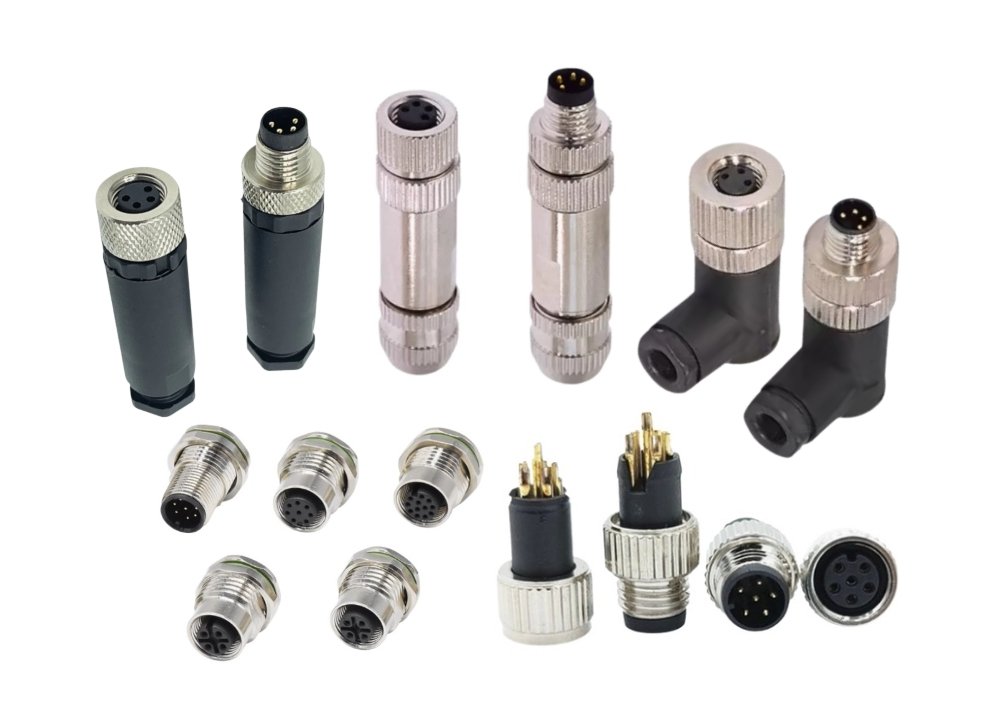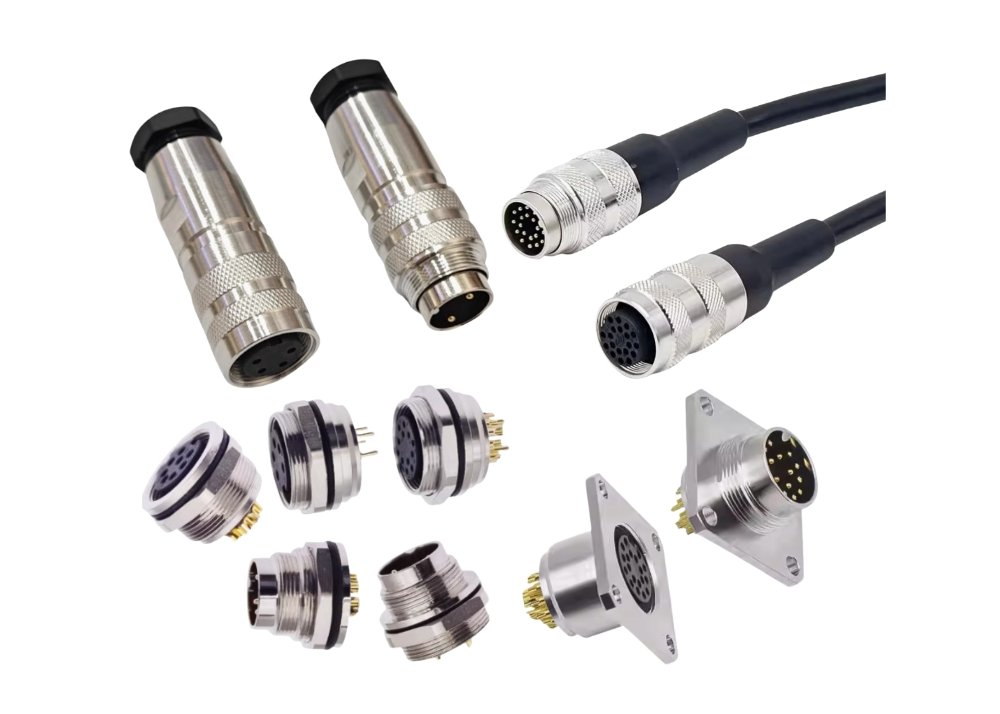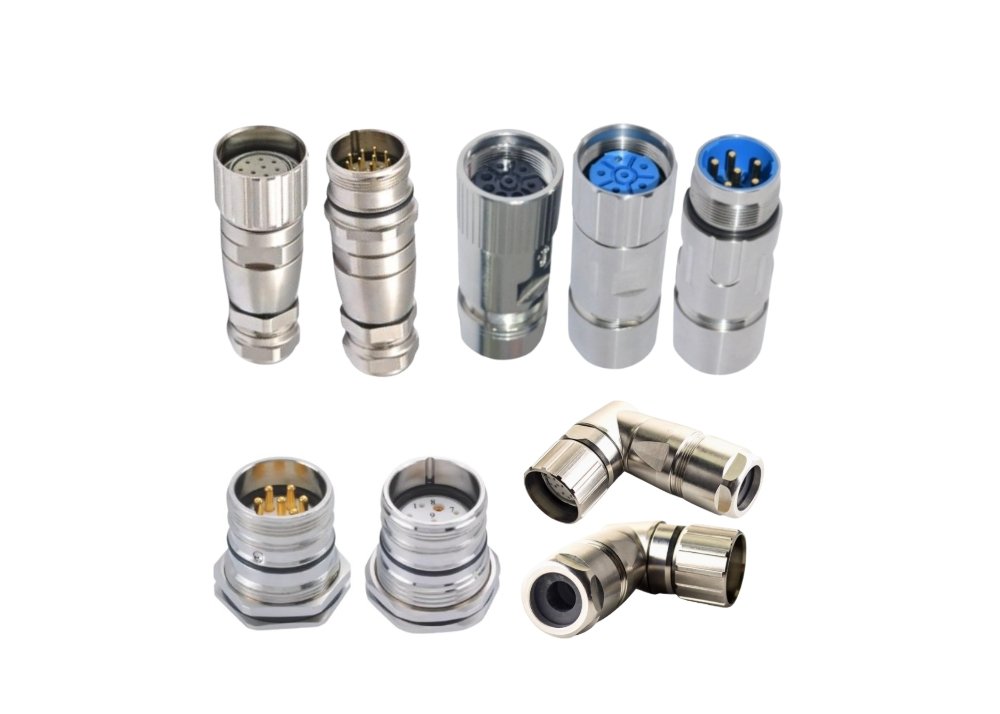
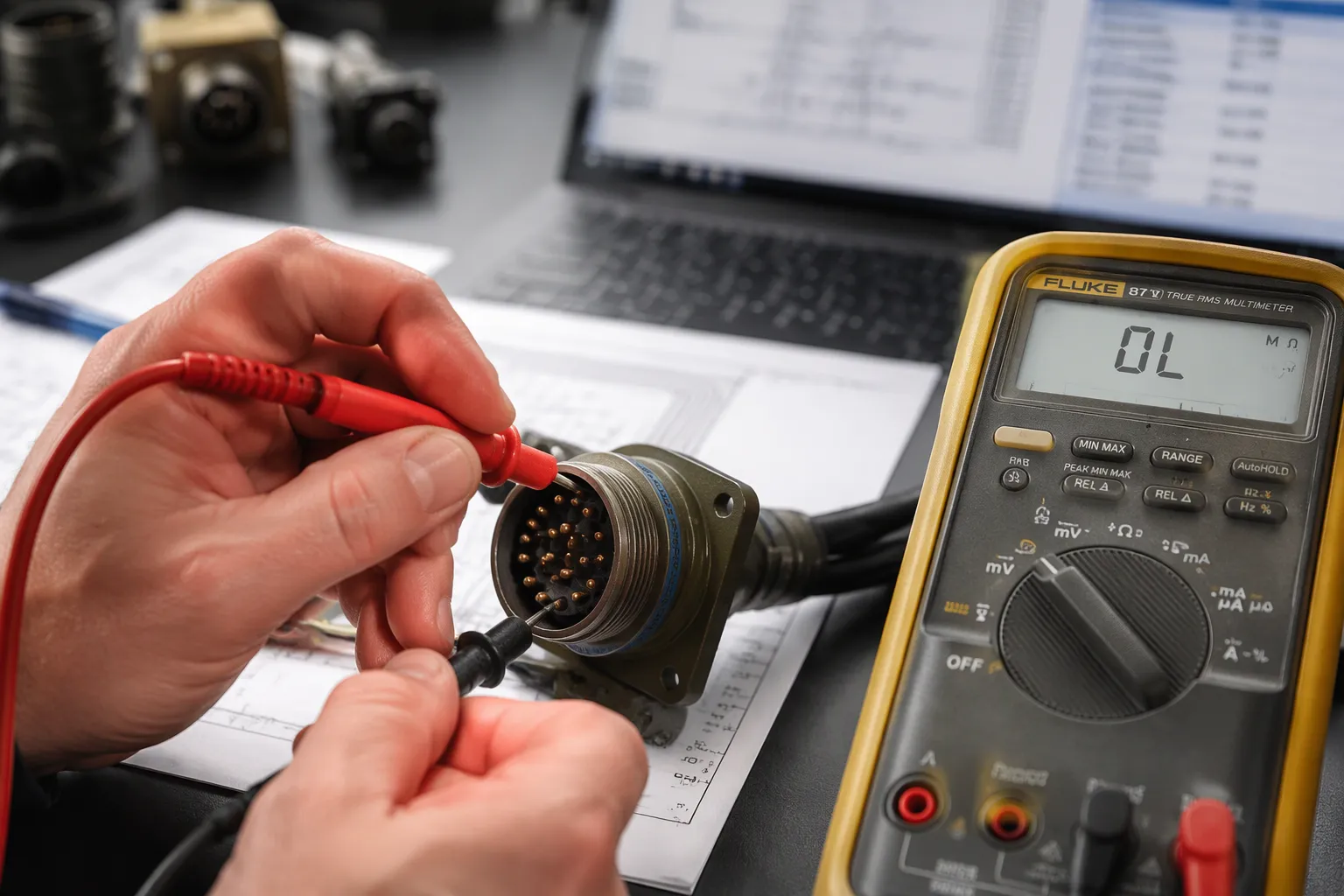
MIL-SPEC connectors are interconnect components built and tested to U.S. military specifications. In 2026, they remain the benchmark for rugged, reliable connectivity in defense, aerospace, and industrial systems. These military-grade connectors matter more than ever. Qualification revisions have tightened, supply-chain scrutiny has increased, and platforms must interoperate across legacy and modern equipment.
“MIL-SPEC” is not one product. It is a family of specifications, and each one governs design, testing, and acceptance criteria. A connector factory may build an M8 connector or a Type B connector to commercial standards, yet true mil-spec connectors follow stricter rules. Choosing correctly means matching the specification to the application’s environmental, electrical, and mechanical demands. Military applications rarely reward the most expensive option by default. They reward the right one.
What Are MIL-SPEC Connectors?

The Military Specification Framework
How MIL-SPEC Standards Are Structured
The U.S. Department of Defense builds mil-spec connector standards on a tiered document system. A base specification defines general requirements for a connector family. These requirements cover materials, construction, marking, and quality assurance. Subsidiary documents then add the details for specific configurations. This structure lets one framework serve many product variations without rewriting the core rules.
Detail Specifications vs. Slash Sheets
A detail specification governs one connector family as a whole. A slash sheet narrows that document to a single shell size, contact arrangement, or service class. Buyers often cite both documents together. The detail specification sets the baseline. The slash sheet pins down the exact part. Reading the pair correctly prevents ordering errors and mismatched expectations.
MIL-SPEC vs. Commercial Connectors
Testing and Acceptance Differences
Military-grade connectors pass qualification tests that commercial parts rarely face. These tests include salt fog exposure, thermal shock, vibration, and fluid immersion. Acceptance criteria are fixed in the governing document. Commercial connectors typically follow manufacturer-defined test plans. The test scope may be narrower, and the pass criteria may vary between suppliers.
When Commercial Equivalents Fit Best
Commercial equivalents serve many applications well. Prototyping, short-lifecycle products, and controlled indoor environments often need no military qualification. A commercial part can cut cost and lead time in these cases. The key is an honest review of the actual environment. A benign setting rarely justifies the full qualification burden.
Common Connector Families
Circular vs. Rectangular Configurations
Circular designs dominate harsh-environment circular connectors. The round shell seals well, couples firmly, and resists vibration. Rectangular designs suit dense panel layouts and mixed-signal racks. Each shape solves a different packaging problem. Neither shape is inherently superior.
Signal, Power, and Fiber Optic Variants
Most families offer signal, power, and fiber optic contacts. Signal contacts carry low-level data and control lines. Power contacts handle higher current in the same shell. Fiber optic variants support high-bandwidth links with immunity to electromagnetic interference. Designers can mix contact types within one connector body.
Key MIL-SPEC Standards and Applications in 2026
Three connector families carry most of the demand across defense and aerospace programs. Each one solves a distinct problem, and each one follows its own document trail. Buyers who understand these mil-spec standards and applications gain a clear advantage at the specification table.
MIL-DTL-38999
MIL-DTL-38999 stands as the most widely specified high-performance circular connector family in defense electronics. The standard covers a broad range of shell sizes, contact arrangements, and service classes. Designers choose MIL-DTL-38999 when they need high contact density, strong EMI shielding, and reliable performance under severe vibration. The family supports both signal and power contacts within a single shell.
Series I Through IV Overview
Four series share the MIL-DTL-38999 framework, and each series answers a different mating requirement.
| Series | Coupling Method | Key Feature | Typical Fit |
|---|---|---|---|
| Series I | Triple-start threaded | Compact, lightweight | Space-limited avionics bays |
| Series II | Bayonet | Fast mating | Low-profile panel mounts |
| Series III | Triple-start threaded | High-vibration grip, scoop-proof shells | Engine and airframe zones |
| Series IV | Breech | Quick quarter-turn lock | Blind-mate rack systems |
MIL-DTL-38999 Series III dominates new designs. The series adds a scoop-proof shell that prevents bent contacts during blind mating. Its tri-start threaded coupling engages in about one and a half turns while holding a firm grip under vibration. Engineers often pair MIL-DTL-38999 Series III shells with shielded backshells to extend EMI protection along the cable run. Series I and II remain common on legacy platforms that already carry qualified tooling. Series IV serves rack-and-panel systems where a quarter-turn breech lock speeds maintenance.
Typical Applications and Contact Arrangements
MIL-DTL-38999 connectors appear on flight control units, radar assemblies, missile systems, and ground vehicle harnesses. Contact arrangements range from a few high-current power contacts to more than a hundred signal contacts in one shell. Mixed layouts combine signal, power, and coax contacts. A designer can route a full subsystem through one MIL-DTL-38999 interface and cut harness weight. The standard also defines thermocouple and fiber optic contact variants. Each arrangement carries a slash sheet number, and buyers should cite that number on the purchase order. Programs that standardize on MIL-DTL-38999 reduce spare-part variety across a fleet. The family also supports firewall and high-temperature classes for engine-adjacent mounting.
MIL-DTL-5015
MIL-DTL-5015 is the veteran of the family. The standard traces back to the 1930s, and it still anchors countless power and control circuits. MIL-DTL-5015 connectors use a threaded coupling and a rugged shell that tolerates rough handling. The design favors simplicity and serviceability over contact density. Field technicians can repair these connectors with basic tools.
Threaded Coupling and Shell Styles
The threaded coupling on MIL-DTL-5015 provides a secure, vibration-resistant joint. A full thread engagement resists loosening better than quick-release designs in constant-motion environments. Shell styles include wall mount, box mount, cable plug, and jam nut receptacles. Solder contacts remain common, and crimp versions serve high-volume assembly. MIL-DTL-5015 insert arrangements cover power contacts up to size 0 and signal contacts down to size 16. The standard also defines alternate insert positions for keying. Buyers should confirm the insert arrangement code before ordering, because two shells of the same size can hold very different contact layouts.
Power and Control Circuit Use Cases
MIL-DTL-5015 shines in power distribution and control wiring. Ground vehicles, generator sets, and industrial skids use the family for main power feeds. The connectors handle high current per contact and tolerate voltage spikes. Maintenance crews value the simple thread and the visible contact cavity. A technician can inspect and re-solder a contact without special tooling. Many MIL-DTL-5015 variants also carry environmental seals for wet locations. Programs that pair MIL-DTL-26482 and MIL-DTL-5015 connectors on one platform often split duties: the quick-disconnect family handles signal links, and MIL-DTL-5015 carries the heavy power runs. This division keeps each connector in its strongest role.
MIL-DTL-26482
MIL-DTL-26482 fills the quick-disconnect niche. The standard defines a compact circular connector with a bayonet lock. MIL-DTL-26482 connectors mate and release with a short twist, which suits equipment that crews connect and disconnect often. The family covers solder and crimp contacts in a range of shell sizes. MIL-DTL-26482 remains a workhorse on ground support equipment, test sets, and vehicle harnesses.
Bayonet Coupling and Quick-Disconnect Features
The bayonet coupling gives MIL-DTL-26482 its speed advantage. Three pins on the plug ride ramps in the receptacle, and a quarter turn locks the pair. A positive detent signals full engagement by feel and by sound. This feature matters in glove-box conditions or low-light maintenance. MIL-DTL-26482 connectors also offer a scoop-proof option for blind mating. The quick release does trade some vibration grip against the threaded designs. Designers add safety wire or secondary locks in high-vibration zones. The family splits into two service classes: a solder version and a crimp version with removable contacts. Crimp contacts speed field repair, because a technician swaps a damaged contact without replacing the connector.
Environmental Sealing Capabilities
Environmental sealing defines the MIL-DTL-26482 value proposition. The standard requires grommets, interfacial seals, and shell O-rings that block moisture and dust. Qualified parts pass immersion and humidity tests. The bayonet lock compresses the interfacial seal as the plug seats. This design keeps a tight barrier even after many mating cycles. Buyers should check the environmental class on the slash sheet, because sealing levels vary across variants. A properly sealed MIL-DTL-26482 connector survives washdowns, rain, and temporary submersion. The family also offers firewall and fluid-resistant versions for engine compartments. These sealing features make MIL-DTL-26482 a strong fit for exposed vehicle and ground-support locations.
The three families above cover most 2026 requirements, and each one earns its place through a distinct strength. The military services continue to revise these specifications, so buyers should always confirm the current revision letter before release.
Other Relevant Specifications
The three circular families above dominate defense programs, yet they do not cover every interconnect need. Two additional specifications serve specialized roles in 2026. One shrinks high-reliability contacts into a miniature package. The other defines the data bus that ties avionics subsystems together. Together, they round out the mil-spec standards and applications landscape for modern platforms.
MIL-DTL-83513 Micro-D Connectors
MIL-DTL-83513 governs the Micro-D connector family, a miniature rectangular design built for dense, lightweight harnesses. The standard traces its roots to commercial micro-miniature connectors, and the military version adds strict qualification testing on top. Micro-D connectors pack up to 100 contacts into a shell roughly the size of a thumbnail. Each contact carries a current rating near 3 amps, and the contact pitch measures 0.050 inch. Designers reach for MIL-DTL-83513 when weight and space budgets leave no room for a circular shell.
The family uses a metal shell with a trapezoidal interface. This shape prevents mismating and provides a stable ground path. Contacts come in crimp, solder, and PCB-mount versions. Crimp contacts with removable tooling speed field repair, and the standard defines contact retention forces that keep each pin seated under vibration. Buyers should note that MIL-DTL-83513 covers several slash sheets, and each sheet fixes the contact count, termination style, and mounting hardware. A purchase order that cites only the base document invites ambiguity.
Micro-D connectors appear on missile guidance boards, helmet-mounted displays, and compact sensor packages. Their low profile suits board-to-cable links inside sealed enclosures. The family also supports EMI shielding through metal shells and optional gaskets. Programs that already standardize on MIL-DTL-38999 for external interfaces often use MIL-DTL-83513 for internal board-level runs. This pairing keeps the heavy circular shells outside the box and the miniature rectangular links inside. The split also simplifies harness routing, because each connector type stays in its natural zone.
MIL-STD-1553 and Data Bus Interfaces
MIL-STD-1553 defines a serial data bus that has anchored military avionics for decades. The standard specifies a dual-redundant bus with a command/response protocol. A bus controller directs traffic, and up to 31 remote terminals respond on cue. The dual-redundant layout means one bus can fail and the system keeps running on the backup. This reliability explains why MIL-STD-1553 remains in service on fighters, transports, and rotorcraft in 2026.
Connectors for MIL-STD-1553 differ from general-purpose signal connectors. The bus uses shielded twisted-pair cable with a characteristic impedance near 78 ohms. Connector interfaces must preserve that impedance through the mated pair. A poor interface creates reflections that corrupt data. Designers therefore select connectors with matched impedance contacts and shielded backshells. Many programs use MIL-DTL-38999 shells fitted with twinax contacts for bus drops. The circular shell provides environmental sealing, and the twinax contact carries the balanced signal. This arrangement lets one connector body serve both bus traffic and discrete signals.
The standard also defines stub couplers and termination hardware. A bus segment needs termination at both ends, and each stub must stay short to limit reflections. Connector selection affects stub length, because a bulky interface forces longer cable runs inside the rack. Compact rectangular and circular options both serve this role. Buyers should confirm that the chosen contact arrangement supports the required number of stubs per connector. A four-stub coupler in one shell reduces box count and harness complexity.
Modern platforms increasingly mix MIL-STD-1553 with Ethernet and fiber links. The bus still handles flight-critical commands, and newer networks carry sensor and mission data. Connector choices must support both worlds on one panel. A designer might pair MIL-DTL-26482 quick-disconnect shells for maintenance links with impedance-matched contacts for the legacy bus. This mixed approach preserves backward compatibility and avoids a full harness redesign. The same logic applies to power runs, where MIL-DTL-5015 shells often carry main feeds alongside the data connectors. Each family keeps its strongest role, and the platform gains a coherent interconnect plan.
Revision control deserves attention across all these specifications. The military services update documents on their own schedules, and a revision letter can change test criteria or contact dimensions. Buyers should verify the current revision before release and confirm that the supplier builds to that level. A connector that met an older revision may not satisfy the current one. This check costs little at the specification stage and prevents costly rework later.
Certification and Compliance Explained
How Qualification Works
Qualified Products List (QPL) Process
The qualified products list is the official roster of connectors that have passed military qualification testing. A manufacturer submits samples to an approved test facility. The facility runs the full battery of tests defined in the governing document. Passing parts earn a listing, and buyers can then reference that listing during procurement. The QPL gives buyers a verified starting point and removes guesswork from supplier selection.
Test Witnessing and Approval Authorities
Approval authorities oversee the qualification process. A defense agency or its designated representative witnesses critical tests and reviews the results. This oversight confirms that the manufacturer followed the test procedure exactly. Witnessed testing adds credibility to the final report. Buyers should confirm which authority signed off on a given qualification.
What Certification Means for Buyers
Reading a Certificate of Conformance
A certificate of conformance states that a delivered lot meets the cited specifications. The document names the standard, the revision letter, and the lot number. Buyers should check three items: the revision level, the part number, and the test data reference. A certificate without a revision letter offers limited value. The document should also trace back to the qualification record.
Qualification vs. Verification
Qualification and verification serve different purposes, and buyers often confuse the two.
| Term | What It Confirms | Scope |
|---|---|---|
| Qualification | The design passed the full test program | One-time, design-level |
| Verification | A specific lot meets requirements | Per-lot, production-level |
Qualification proves the design. Verification proves the build. A qualified design still needs lot verification to catch production drift.
Compliance Expectations in 2026
Updated Revision Requirements
The military services revise documents on their own schedules. A new revision letter can change test criteria, contact dimensions, or marking rules. Buyers must confirm the current revision before release. A part built to an older revision may no longer satisfy program requirements. This check takes minutes at the specification stage and prevents costly rework later.
Documentation and Traceability
Traceability ties every delivered connector back to its qualification record and production lot. Buyers should request the certificate of conformance, the test report reference, and the lot history. Complete documentation supports audits and simplifies failure analysis. Programs with strict compliance demands should make traceability a contract requirement. Suppliers who maintain clean records reduce risk for everyone in the chain.
Performance Requirements That Matter
Specification documents define the test regime, and the test regime defines real-world behavior. Buyers who read the performance clauses carefully avoid surprises in the field.
Environmental Performance
Temperature, Humidity, and Salt Fog Resistance
Mil-spec environmental requirements push connectors far beyond office conditions. Qualified parts operate across temperature extremes that range from arctic cold to engine-bay heat. Humidity cycling tests confirm that seals hold through repeated condensation. Salt fog exposure checks shell plating and contact finishes against corrosion. These tests matter for military waterproof connectors deployed on ships, coastal sites, and vehicle exteriors. Buyers should match the temperature class and salt fog rating to the actual duty location.
Shock, Vibration, and Fluid Immersion
Shock and vibration tests simulate gunfire, road travel, and rotorcraft buffeting. Contacts must stay seated and shells must stay mated through each event. Fluid immersion tests dunk qualified parts in fuels, hydraulic oils, and cleaning agents. Environmental sealing protects the contact cavity through all of these events. Military-grade waterproof connectors earn their reputation here, because the seal must survive dust, water, shock, and extreme temperatures without losing contact integrity.
Electrical Performance
Current Rating, Voltage, and Contact Resistance
Electrical limits vary by contact size and insert arrangement. The table below summarizes typical ranges.
| Parameter | Typical Range | Notes |
|---|---|---|
| Current per contact | 3 A to 150 A | Depends on contact size |
| Voltage rating | 500 V to 1,500 V | Service class dependent |
| Contact resistance | Milliohm range | Verified per lot |
Derating rules apply at altitude and at high ambient temperature. Buyers should apply the derating curves in the detail specification.
EMI/EMC Shielding Effectiveness
Shielding effectiveness measures how well a mated pair blocks electromagnetic interference. Metal shells, conductive gaskets, and shielded backshells form the barrier. MIL-DTL-38999 shells typically deliver strong attenuation across a wide frequency band. Programs with sensitive signal lines should confirm the shielding figure on the slash sheet.
Mechanical Performance
Mating Cycles and Contact Retention
Mating cycle ratings range from 500 cycles for standard parts to 2,000 cycles for high-durability classes. Contact retention tests pull each pin to a defined force. These checks support reliability, durability, and performance across the service life. Buyers should compare the cycle rating against expected maintenance activity.
Keying, Polarization, and Coupling Durability
Keying and polarization prevent mismating between adjacent connectors. Alternate insert positions give each shell a unique signature. Coupling durability tests confirm that threads, bayonets, and breech locks hold their grip after repeated use. These features support environmental resistance in the mated state. For a full picture of environmental ratings, buyers should review environmental ratings explained in the governing slash sheet, which lists each test and its pass criteria. Environmentally sealed connectors carry these ratings as verified data, not marketing claims.
How to Choose the Right MIL-SPEC Connector

Selection rewards a structured approach. Buyers who work through technical fit, application fit, and compliance fit in sequence avoid the most common ordering errors. Each layer narrows the field, and the final choice usually becomes obvious.
Technical Performance Fit
Matching Contact Size and Count to Signal Loads
Contact size sets the current ceiling for each circuit. A size 20 contact typically carries about 7.5 amps, while a size 0 contact handles well over 100 amps. Designers should total the load on each circuit and then pick a contact size with margin. Altitude and high ambient temperature reduce that margin, so derating curves deserve a close look.
Contact count follows the circuit list. A designer counts every signal, power, and ground line, then adds spare positions for future growth. Spare contacts cost little at build time and save a full redesign later. Mixed-layout connectors let one shell carry heavy power pins and dense signal pins together. This approach cuts connector count and harness weight on the same panel.
Environmental Class Selection
Environmental class defines the sealing and material grade of a connector. The class letter on the slash sheet tells the buyer what the part survives. A mismatch here causes field failures that no amount of electrical margin can fix.
| Class | Sealing Level | Typical Environment |
|---|---|---|
| Hermetic | Glass-to-metal seal | Pressurized or vacuum vessels |
| Environment-resistant | O-rings and grommets | Exposed airframe and vehicle zones |
| Firewall | High-temperature materials | Engine-adjacent mounting |
| Non-environmental | Basic shell | Sheltered racks and cabinets |
Buyers should match the class to the harshest condition the connector will meet, not the average one. Environmental sealing adds cost, yet a failed seal adds far more. The environmental ratings on the slash sheet list each test and its pass criteria, so the buyer can compare classes on verified data.
Application Fit
Space, Weight, and Routing Constraints
Physical fit decides many designs before electrical merit enters the discussion. A circular shell needs clearance for its coupling ring and a bend radius behind the backshell. A rectangular shell fits a flat panel but demands access to its mounting hardware. Designers should model the mated pair, the backshell, and the cable bundle as one assembly.
Weight budgets favor miniature families. A MIL-DTL-83513 Micro-D shell weighs a fraction of a comparable circular shell. Composite and aluminum shells also cut mass on mil-dtl-38999 families. Routing matters just as much. A connector placed near a hinge or a moving panel needs slack and strain relief. A connector buried behind a rack needs a blind-mate design with a scoop-proof shell.
Maintenance and Field-Repair Considerations
Repair strategy shapes the connector choice. Crimp contacts with removable tooling let a technician swap a damaged circuit in minutes. Solder contacts demand a soldering iron and a steady hand in the field. Quick-disconnect coupling speeds routine maintenance, while threaded coupling resists vibration better. The maintenance plan should name the tools and the skill level available at each repair site.
Mating cycle ratings guide this decision. A connector that mates daily needs a high-durability class. A connector that mates once at installation can use a standard class. Buyers should also confirm that replacement contacts and backshells remain available through the platform’s service life.
Regulatory and Compliance Fit
Required Qualifications for Your Program
Each program carries its own qualification demands. A defense platform may require a listing on the qualified products list. A commercial aerospace program may accept equivalent qualification under its own authority. An industrial program may need no military qualification at all. The buyer should confirm the requirement in writing before the specification freeze.
The qualification status of a candidate part deserves a direct check. A supplier claim of “mil-spec equivalent” does not equal a listing. Buyers should request the qualification record and confirm the revision level it covers. A part qualified to an older revision may fail a current program audit.
Export and Documentation Requirements
Export controls can shape the supplier list. Some military-grade connectors fall under export licensing rules, and delivery timelines stretch when a license is required. Buyers should confirm the export classification early and plan lead time around it. Documentation packages should travel with every shipment.
A complete package includes the certificate of conformance, the revision letter, the lot number, and the test data reference. Programs with audit obligations should make these documents a contract line item. Clean records speed customs clearance and simplify failure analysis. Buyers who lock documentation into the purchase order avoid disputes at receiving inspection.
A practical selection sequence ties these layers together. The buyer starts with the governing specification and the current revision. Next comes the contact plan, then the environmental class, then the physical fit. The compliance check closes the loop. This order keeps the field narrow and the decision defensible.
Cost and Availability
Cost and availability decide as many connector selections as technical merit does. A part that meets every electrical and environmental requirement still fails the program if it arrives late or costs too much over its service life. Buyers who weigh these two factors early avoid late-stage surprises.
Total Cost of Ownership vs. Unit Price
Unit price tells only a small part of the cost story. The purchase price covers the connector itself. Total cost of ownership adds every expense across the connector’s service life. These expenses include installation labor, maintenance, downtime, replacement parts, and documentation. A low unit price can hide high lifecycle costs. A higher unit price can deliver savings over time.
Several cost drivers deserve a place in any comparison.
| Cost Factor | What It Covers | Why It Matters |
|---|---|---|
| Unit price | Connector and contacts | Visible at quote stage |
| Installation labor | Assembly time, tooling | Crimp vs. solder changes this figure |
| Maintenance | Contact swaps, resealing | Crimp contacts cut field labor |
| Downtime | Platform out of service | A failed seal can cost far more than the part |
| Qualification cost | Testing, documentation | Shared across a program, not per unit |
| Spares and logistics | Inventory, storage | Standardized families reduce variety |
Installation labor often separates two otherwise similar parts. A crimp-contact connector needs a calibrated tool and a short learning curve. A solder-contact version demands a skilled technician and more time per circuit. On a large harness build, that gap multiplies across hundreds of connections. The cheaper unit price can lose its edge once labor enters the total.
Maintenance strategy carries equal weight. A connector with removable crimp contacts lets a technician replace one damaged circuit in the field. A solder version may force a full connector replacement. The labor and downtime saved over a decade of service can dwarf the initial price difference. Buyers should estimate the expected repair frequency and price each event.
Standardization delivers quiet savings. A program that limits itself to a few connector families cuts spare-part inventory and simplifies training. Technicians learn one coupling style and one contact system. Procurement gains leverage through larger volumes on fewer part numbers. The MIL-DTL-38999 family supports this approach well, because one framework covers many shell sizes and contact arrangements.
Qualification cost behaves differently from the other factors. A full qualification program carries a fixed expense, and that expense spreads across every unit in the program. A large production run absorbs it easily. A small run may struggle to justify it. Buyers should weigh the qualification burden against the actual environment and the program size. A benign, short-life application may fit a commercial part without penalty.
Unit price answers what a connector costs today. Total cost of ownership answers what it costs until retirement. The second question deserves the larger share of attention.
Lead Times and Second-Source Options
Lead time can stall a program as surely as a technical fault. Military-grade connectors often carry longer lead times than commercial parts. Qualification testing, specialized tooling, and limited production lines all add time. Buyers should confirm lead time at the quote stage and track it against the build schedule.
Several factors stretch lead times in 2026.
- Qualification testing adds weeks before a new part reaches the qualified products list.
- Specialized shell materials and platings face their own supply schedules.
- Custom contact arrangements and backshells need dedicated production runs.
- Export licensing can add review time for controlled items.
Buyers should order long-lead connectors early and hold buffer stock for critical builds. A small safety stock costs little against a stalled assembly line. Programs with tight schedules should map every connector’s lead time against the master build plan.
Second-source options reduce supply risk. A single-source part leaves the program exposed to a production interruption. A qualified alternate supplier restores continuity. Buyers should confirm that any second source holds its own qualification listing. A supplier claim of equivalence does not replace a listing on the qualified products list.
Second sourcing works best when the program plans for it. The specification should allow multiple qualified manufacturers from the start. Designers should avoid custom features that lock the part to one supplier. Standard slash sheet configurations travel more easily between sources. A part built to a common slash sheet gives the buyer real options.
Availability also depends on the revision level. A supplier may build to an older revision while the program requires the current one. Buyers should confirm the revision on every quote and every shipment. A part that meets an outdated revision may need rework or rejection at receiving inspection.
Cost and availability interact in ways that reward early planning. A buyer who locks the specification, confirms qualification, and maps lead times gains room to negotiate. A buyer who waits until the build schedule tightens pays a premium for speed. The same connector can cost very different amounts depending on when the program secures it.
Common Pitfalls and How to Avoid Them
Most connector problems start long before the first shipment arrives. They begin at the specification table, where a small reading error grows into a costly rework. Buyers who know the common traps avoid them with a few disciplined checks.
Misreading Specifications
Confusing Similar MIL-DTL Numbers
The MIL-DTL numbering system looks tidy, yet neighboring numbers describe very different products. MIL-DTL-38999 and MIL-DTL-5015 share a format, not a design. One family targets high-density avionics links. The other carries heavy power and control circuits. A buyer who swaps the digits orders the wrong shell, the wrong contacts, and the wrong tooling. The fix is simple. Write the full document number and the family name on every requisition. Then read the scope paragraph aloud before release.
Overlooking Revision Letters
A revision letter can change test criteria, contact dimensions, or marking rules. Two parts may carry the same base number and still differ by revision. Buyers should confirm the current revision against the program requirement. A supplier who builds to an older letter may deliver parts that fail a current audit. Revision checks take minutes and prevent rejected lots.
Certification Gaps
Assuming Commercial Equivalency
A commercial part may match the form and fit of a qualified connector. It does not inherit the qualification record. Suppliers sometimes describe such parts as “mil-spec equivalent.” That phrase carries no official standing. Buyers should request the listing on the qualified products list and confirm the revision it covers. A design that passed the full test program earns the claim. A lookalike part does not.
Missing Traceability Documentation
Traceability ties each delivered lot back to its test record. Missing documents stall receiving inspection and complicate failure analysis. Buyers should make the certificate of conformance, the lot number, and the test data reference a contract line item. Clean records protect both the program and the supplier.
Application Mismatches
Underestimating Environmental Extremes
Designers often rate a connector against the average condition. Field reality delivers the worst one. Engine-adjacent mounts see heat spikes. Coastal sites see salt fog. Washdown bays see fluid immersion. Buyers should match the environmental class to the harshest expected exposure. Military programs learned this lesson long ago. A sealed shell costs less than a field failure.
Ignoring Mating Compatibility
Two qualified connectors can still refuse to mate. Keying, polarization, and insert arrangement must align across every pair on the platform. A MIL-DTL-38999 plug from one series will not seat in a receptacle from another. Buyers should verify mating pairs against the slash sheet and test one pair before a full build. Compatibility checks belong in the design review, not the receiving dock.
In 2026, mil-spec connectors remain defined by their governing specifications, qualification processes, and verified performance under harsh conditions. The right choice depends on matching standard, certification, and performance class to the specific application—not on defaulting to a single family. Buyers should follow a disciplined decision checklist:
- Identify the governing MIL-DTL specification.
- Confirm current qualification status.
- Verify environmental and electrical ratings.
- Check documentation and traceability.
- Evaluate cost against total lifecycle needs.
Buyers should request certificates of conformance and revision-level documentation before finalizing any mil-spec connectors selection.
FAQ
What does “MIL-SPEC” actually mean for a connector?
MIL-SPEC means a connector meets a U.S. military specification for design, testing, and acceptance. The term covers a family of documents, not one product. Each document sets its own requirements. Buyers should cite the exact MIL-DTL number and revision on every order.
How does a buyer verify that a connector is truly qualified?
A buyer checks the Qualified Products List for the manufacturer and part number. The listing should cover the current revision. A supplier claim of “mil-spec equivalent” carries no official standing. Request the qualification record and confirm the revision level before release.
Why do revision letters matter so much?
Revision letters track changes to test criteria, contact dimensions, and marking rules. A part built to an older letter may fail a current program audit. Buyers should confirm the current revision at the specification stage. This check takes minutes and prevents rejected lots.
Can a commercial connector replace a MIL-SPEC part?
Sometimes. Commercial parts fit prototyping, short-lifecycle products, and controlled indoor settings. They lack the military qualification record. Buyers should compare the actual environment against the specification requirements. A benign setting rarely justifies the full qualification burden.
What documents should accompany each shipment?
A complete package includes the certificate of conformance, the revision letter, the lot number, and the test data reference. Programs with audit obligations should make these documents a contract line item. Clean records speed receiving inspection and simplify failure analysis.
How long are typical lead times in 2026?
Military-grade connectors often carry longer lead times than commercial parts. Qualification testing, specialized materials, and limited production lines all add time. Export licensing can add review time for controlled items. Buyers should order long-lead parts early and hold buffer stock for critical builds.
What is the difference between qualification and verification?
Qualification proves the design passed the full test program once. Verification confirms that a specific production lot meets requirements. A qualified design still needs lot verification to catch production drift. Buyers should confirm both before accepting a shipment.
Which connector family suits a new defense design?
MIL-DTL-38999 Series III dominates new designs. It offers high contact density, strong EMI shielding, and a scoop-proof shell for blind mating. MIL-DTL-5015 fits heavy power runs, and MIL-DTL-26482 suits quick-disconnect maintenance links. The application decides the fit.